



Consult online with Child Psychologists in Jaipur for your young ones
Children often carry more than they can say, and what they need first is someone who listens without rushing to correct. Children First, part of Amaha, brings together child psychologists, psychiatrists, paediatric psychologists, child counsellors, and specialists including occupational therapists and behavioural therapists, who have spent over 17 years working with children, adolescents, and their families across India. For families in Jaipur, this care is available through online sessions that fit around school, coaching, and work, from the comfort of home. The work reaches beyond assessments and reports, towards understanding the whole child and the whole family, in the setting of their everyday life.
Medically Reviewed by Dr. Sonia Malhotra.
Last updated on 23/10/2026.

What Do Child Psychologists in Jaipur Do?
Children in Jaipur often grow up close to family and tradition. In the walled city and older colonies, many live in joint households where grandparents, uncles, and cousins share the same roof, and festivals like Teej, Diwali, and the kite-filled skies of Makar Sankranti shape the year. In newer areas such as Malviya Nagar, Vaishali Nagar, Mansarovar, and Jagatpura, more families are nuclear, with both parents working. Across the city, the pull of competitive exams is strong. With Kota and Sikar a few hours away and coaching hubs within Jaipur itself, many children begin JEE or NEET preparation in their early teens, and nationally about 85% of urban secondary and higher secondary students attend private coaching [1]. Expectations can be high and spoken about openly, while emotions are spoken about far less. When a child begins to struggle, families may first try stricter routines, a change of tutor, or advice from elders, and it can take a long time before anyone suggests a psychologist. Child psychologists are licensed professionals with advanced training in developmental and clinical psychology, specialising in how a child's social, emotional, and cognitive growth shapes their daily life. At Children First, child psychologists work alongside child counsellors, occupational therapists, ABA therapists, and paediatric psychologists to assess and treat the full range of emotional, behavioural, developmental, and learning concerns that children and adolescents face. As one multidisciplinary team, they make sure no concern is handled in isolation, and every child receives support that fits who they actually are.
Not sure what you need?
Should you have any questions or require additional support, please don’t hesitate to contact us. You may call us directly at the number shared below, or fill your details and our team will get in touch with you.Children First Mental Health Centre Locations
New DelhiA2/35 Safdarjung Enclave, New Delhi 110029
Call us: +91 9650044774
Call us: +91 9650044774
GurugramB 18/9, Golf Course Road, DLF Phase 1, Sector 28, Gurugram, Haryana 122002
Call us: +91 9650844774
Call us: +91 9650844774
+
Send me updates via WhatsApp
Children First Mental Health Centre Locations
New DelhiA2/35 Safdarjung Enclave, New Delhi 110029
Call us: +91 9650044774
Call us: +91 9650044774
GurugramB 18/9, Golf Course Road, DLF Phase 1, Sector 28, Gurugram, Haryana 122002
Call us: +91 9650844774
Call us: +91 9650844774
Which Psychological Conditions Are Managed By Child Psychologists in Jaipur?
Child psychologists and paediatric psychologists in Jaipur assess and support a wide range of conditions that affect how a child learns, connects with others, and copes with their emotions. A study of 994 adolescents in Jaipur schools found that 8.35% had scores in the abnormal range for mental health difficulties, with conduct problems (12%) and emotional problems (10%) the most common [2]. Common areas of focus include:
- •Neurodevelopmental Support: Managing the behavioural and social components of ADHD, Autism Spectrum Disorder (ASD), and learning disabilities like dyslexia, including for children moving between Hindi-medium and English-medium learning, where a reading difficulty can be mistaken for weak language skills or carelessness.
- •Emotional Regulation: Addressing anxiety disorders, including social, separation, generalised, and exam-related anxiety, along with depression and phobias.
- •Behavioural Concerns: Supporting children with Oppositional Defiant Disorder (ODD), conduct difficulties, or challenges around anger and impulse control.
- •Trauma and Adjustment: Helping children through PTSD, grief, or significant changes such as parental separation, bereavement, or a move into or out of a joint family home.
- •Habit and Somatic Issues: Managing eating disorders, sleep disturbances, tics, and difficulties linked to heavy screen use, often worse during long summer afternoons indoors. Early support through specialised psychology can make a meaningful difference.
How Do Child Psychologists in Jaipur Evaluate Children for Mental Health Concerns?
The evaluation followed by child psychologists in Jaipur is careful, evidence-based, and built around the child rather than only the concern that led to the first call. Understanding the whole picture always comes first. 1. Clinical History: The process begins with a detailed conversation with the child and their parents or caregivers. The child psychologist takes time to understand the child's medical, developmental, and family history, because context matters as much as symptoms. In joint families, the observations of grandparents and other relatives can add useful detail. 2. Interview: Child psychologists in Jaipur use structured and unstructured interviews with age-appropriate techniques, so the space feels safe and unhurried. Many children speak more freely from their own room than in front of the whole family. The aim is for them to feel heard, not examined. 3. Multi-Source Data: Standardised behavioural rating scales and psychological questionnaires may be used with parents, teachers, and the child to build a consistent, objective picture. Behaviour, mood, thought patterns, and social interactions are noted carefully, and with consent, input from teachers or coaching tutors is sought, because a child can seem very different at school, at coaching, and at home. 4. Differential Diagnosis: A final report sets out the child's strengths alongside the challenges they face, and maps a clear plan for support. A diagnosis is never rushed and is explained in plain Hindi or English, so every adult involved can follow it. Families leave knowing what has been found, what it means, and what happens next.
What Treatment Methods Do Child Psychologists in Jaipur Use?
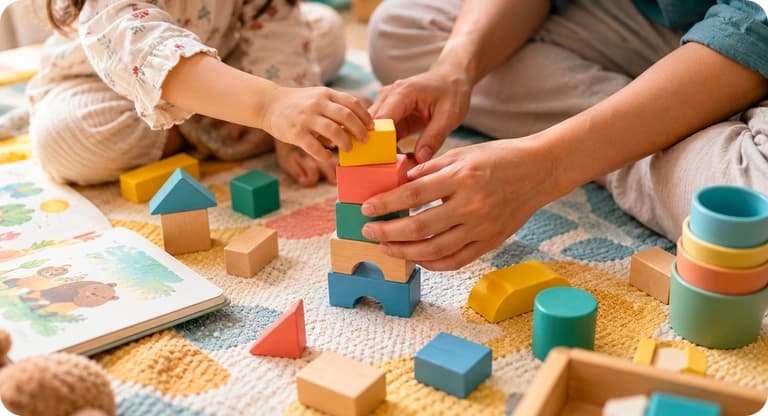
At Children First, child psychologists and paediatric psychologists choose each approach with a particular child in mind, rather than applying one programme to everyone. Therapy reflects the child's age, temperament, cultural background, and what they are going through right now. • Cognitive Behavioural Therapy (CBT): Helping older children and teenagers see how thoughts, feelings, and behaviour connect, and slowly build patterns that help them, including around ranks, mock tests, and fear of disappointing the family. • Play Therapy: For younger children, play gives a voice to feelings they cannot yet name, often delivered with a child counsellor in Jaipur and a parent close by during online sessions. • ABA Therapy: For children with autism spectrum disorder, Applied Behaviour Analysis (ABA) therapy in Jaipur offers a structured, evidence-based way to build communication, social, and adaptive skills, with parents and grandparents guided to use the same strategies at home. • Occupational Therapy Integration: Where sensory processing, fine motor skills, or daily functioning are affected, child psychologists in Jaipur work closely with occupational therapists so care is coordinated, rather than spread between separate centres. • Social Skills Training: Structured programmes that help children grow confident in conversation, build empathy, and manage friendships, whether with classmates, cousins, or the colony group. • Parent-Child Interaction Therapy (PCIT): Working with caregivers to strengthen the parent-child relationship and develop practical ways of handling hard moments at home. • Mindfulness and Relaxation: Teaching children simple tools they can use to ease anxiety, steady emotions, and take a breath during long study days.
Early Signs of Progress in Children Receiving Structured Care from Child Psychologists
Progress in therapy rarely arrives as a single breakthrough. It shows up first in small, everyday moments at home and at school, often before the original concern has fully eased. Between work, school runs, and coaching schedules, these shifts can be easy to miss, so child psychologists at Children First point them out to parents and track them alongside formal measures. • Shorter recovery time: Meltdowns or outbursts may still happen, but the child settles sooner and with less help. • Words for feelings: A child starts to say "I am scared about the weekly test" instead of showing it through stomach aches or anger. • Steadier routines: Sleep, meals, and getting ready for school become less of a daily struggle. • Willingness to try: Steps that once felt impossible, such as flying kites with cousins on Sankranti, answering in class, or joining a family gathering, start to happen. • Using a strategy unprompted: A breathing exercise or calm-down plan practised in session is used at home without a reminder. • Feedback from outside the home: A teacher, coaching tutor, or sports coach notices that the child seems more settled or engaged. • A calmer home: Parents and grandparents feel more confident handling difficult moments, and fewer evenings end in conflict. Research gives a sense of the timeline. In the Child/Adolescent Anxiety Multimodal Study, about 60% of children with anxiety disorders were very much improved after 12 weeks of CBT [3]. A UK trial found that half of children aged 5 to 12 had recovered from their main anxiety difficulty after eight weeks of guided parent-led CBT, rising to 69% at six months [4]. Each child moves at their own pace, and progress is rarely a straight line. A harder week around mock tests, a wedding in the family, or the summer break does not undo what has already been built. At Children First, progress is reviewed at regular intervals using the same rating scales used during assessment, with input from parents and, where relevant, teachers. Families can see what is changing, what is still difficult, and how the plan will adjust.
The right support, at every stage
From early childhood to young adulthood, we offer care that adapts as your child grows. Our specialists collaborate closely with each other and with you to build a personalised plan that supports real, everyday progress.
When Should Your Child See a Child Psychologist?
A child's difficulty does not need a name to deserve attention. Sometimes it is hard to describe: a child who is respectful and quiet in front of elders but tense and tearful in private, or one who has slowly lost interest in everything except a phone. If any of the following have been showing up consistently, a child psychologist in Jaipur can help make sense of it. • Persistent anxiety, worry, or fear that gets in the way of everyday activities • Low mood, tearfulness, or a loss of interest in things they used to enjoy • Frequent meltdowns, angry outbursts, or difficulty managing frustration • Trouble making or keeping friendships, or withdrawal from social situations • Avoidance of school, recurring physical complaints with no medical cause, or refusing to leave home • Distress that rises sharply around mock tests, coaching rankings, or results • Difficulty concentrating, staying on task, or following instructions • Regression to younger behaviours following a stressful event or change at home • Expressions of low self-worth, excessive self-criticism, or hopelessness • Signs of trauma following a difficult experience, such as nightmares, hypervigilance, or emotional shutdown
How Online Sessions Work for Families in Jaipur
Many parents wonder whether a young child can really engage with a psychologist on a screen. With the right setup and a parent involved, most children settle quickly, and some open up more easily at home than in a clinic. In a randomised trial with children aged 3 to 5, 70% of those receiving parent-child interaction therapy over video showed a treatment response, compared with 55% in clinic-based care, and parents reported fewer barriers to attending [5]. For Jaipur families, online care also avoids long drives in the summer heat and keeps sessions going during busy wedding seasons and exam months. Here is what online sessions at Children First involve. 1. Scheduling around school and work: Families choose a slot that fits around school hours, coaching, and office or business commitments. Session times stay consistent from week to week where possible, because routine helps children feel secure. 2. A suitable device: A laptop or tablet works better than a phone, since a larger screen makes it easier for the child to see the psychologist and join in activities. A stable internet connection and a working camera and microphone are all that is needed. Older children and teenagers may prefer headphones for privacy. 3. A quiet space at home: A room with a door, away from siblings, television, and household activity, helps the child feel the session is their own. In joint families, agreeing on this space and time with everyone beforehand helps. For younger children, keeping paper, crayons, or a few familiar toys nearby supports play-based work. 4. Parent involvement that fits the child's age: Parents of younger children usually join all or part of each session and are guided to use strategies at home. Grandparents who share daily care can be included with the family's consent. Teenagers typically have time alone with the psychologist, followed by a check-in with parents, so their privacy is respected while families stay informed.
Areas Served Across Jaipur via Online Sessions
Online sessions with Children First's child psychologists are available to families across Jaipur, including the walled city, C-Scheme, Bani Park, Civil Lines, Raja Park, Adarsh Nagar, Jawahar Nagar, Malviya Nagar, Mansarovar, Vaishali Nagar, Jagatpura, Pratap Nagar, Gopalpura, Tonk Road, Sanganer, Vidhyadhar Nagar, Jhotwara, Sodala, and Ajmer Road. Wherever you are in the city, care reaches you at home.
Session Languages Offered by Children First Child Psychologists
Many children in Jaipur move between English at school, Hindi in daily life, and Rajasthani, Marwari, Dhundhari, Sindhi, or Punjabi with grandparents and extended family. Children usually express feelings most easily in the language they use at home, so language preference is part of matching a child with the right psychologist. Across Amaha, sessions are available in 18 languages. Share your child's preferred language when you book, and the care team will confirm which child psychologists can offer sessions in it.
Consult online with Expert Child Psychologists in Jaipur
Loading cf-therapists...
Communities and Support at Children First
Supporting a child through a difficult time should never fall on one or two people alone, whether the household is a large joint family or a small family new to the city. Children First, part of Amaha, has spent over 17 years building support that reaches well beyond clinical care. For families looking for child psychologists in Jaipur, what they find here is a community as much as a service.


FAQs about Child Psychologists in Jaipur
What are the different treatments for conditions associated with child psychology in Jaipur?
Treatment depends on the diagnosis but commonly includes Cognitive Behavioural Therapy (CBT) or play therapy. For neurodevelopmental concerns, child psychologists focus on behaviour modification and social skills training. Every plan is personalised and often includes family sessions, so that home becomes part of the support.
Who should I consult for concerns related to my child's psychological wellbeing in Jaipur?
For behavioural and emotional concerns, a licensed psychologist in Jaipur who works with children is a sensible first step. If the difficulty is more complex or may need medication, such as severe ADHD or clinical depression, the psychologist may work alongside a child psychiatrist so that psychological and medical care are coordinated. At Children First, both are part of the same team, so a referral never means starting over elsewhere.
Is speech therapy a part of child psychology treatment?
Speech therapy is a separate discipline, but it is often an important part of a child's overall care plan. Children with developmental delays or social anxiety may work with both a psychologist and a speech-language pathologist to build communication, confidence, and ease with others.
When should you see a child or paediatric psychologist?
Consult a child psychologist in Jaipur if your child shows lasting changes in mood, behavioural difficulties, marked irritability, or struggles with school and friendships. Seek help promptly for school refusal, self-harm, or difficulties that disrupt daily life. Early support allows emotional and neurodevelopmental challenges to be managed before they affect longer-term growth.
How to check if my child needs therapy?
Look for noticeable changes in behaviour, such as sudden withdrawal, intense irritability, falling marks, or reluctance to go to coaching, sport, or activities they once enjoyed. Physical symptoms like frequent stomach aches without a medical cause, or ongoing sleep problems, can also signal emotional distress. An initial online consultation can help clarify whether professional support would help.
How much does a child psychologist cost in Jaipur?
Fees for child psychologists in Jaipur vary with the professional's experience and the type of session. Across India, advertised therapy rates range from around ₹800 per session for newly qualified psychologists to ₹3,000 or more for experienced specialists [7]. At Children First, online sessions with a child psychologist start at ₹2,500 per session, and the exact fee is shared before you book.
Is a psychological assessment priced separately from therapy sessions?
Usually, yes. A comprehensive assessment for concerns such as ADHD, autism, or learning difficulties involves detailed interviews, standardised tests, rating scales, and a written report, so it is priced differently from a regular therapy session. The fee depends on what the assessment needs to cover, and the care team explains this during the first consultation, before any assessment begins.
How long does it take to see results from child therapy?
Many families notice early changes, such as shorter meltdowns or calmer mornings, within the first few weeks of regular sessions. For structured approaches like CBT for anxiety, research trials typically run 8 to 16 sessions, with meaningful improvement measured at around 8 to 12 weeks [3][4]. Support for neurodevelopmental conditions such as autism or ADHD usually works over several months, with goals reviewed along the way. Consistency matters: regular sessions and practice at home tend to move things forward more steadily than long gaps between appointments.
How many sessions will my child need?
There is no fixed number. After the initial assessment, the child psychologist shares a recommended plan, including how often sessions are needed and when progress will be reviewed. Focused work on a specific concern may take around 8 to 12 sessions, while ongoing developmental or behavioural support can continue for longer, often at a reduced frequency as the child builds skills.
References
[1] PRS Legislative Research (2025), citing the Comprehensive Modular Survey: Education. Legislative Brief: The Rajasthan Coaching Centres (Control and Regulation) Bill, 2025. https://prsindia.org/bills/state-legislative-briefs/the-rajasthan-coaching-centres-control-and-regulation-bill-2025 [2] Shekhawat R., Sharma N., Sodha V.S. (2019). Prevalence of mental health problems by using strength and difficulty questionnaire in school going adolescents (11-17 years) of Jaipur city, Rajasthan. International Journal of Community Medicine and Public Health. https://www.ijcmph.com/index.php/ijcmph/article/view/4575 [3] Walkup J.T. et al. (2008). Cognitive Behavioral Therapy, Sertraline, or a Combination in Childhood Anxiety. New England Journal of Medicine, 359, 2753-2766. https://www.nejm.org/doi/full/10.1056/NEJMoa0804633 [4] Creswell C. et al. (2017). Clinical outcomes and cost-effectiveness of brief guided parent-delivered CBT and solution-focused brief therapy for treatment of childhood anxiety disorders. The Lancet Psychiatry. Summary: NIHR Evidence. https://evidence.nihr.ac.uk/alert/talking-therapy-given-by-parents-shows-promise-for-childhood-anxiety-disorders/ [5] Comer J.S. et al. (2017). Remotely delivering real-time parent training to the home: An initial randomized trial of Internet-delivered parent-child interaction therapy (I-PCIT). Journal of Consulting and Clinical Psychology, 85(9), 909-917. https://pubmed.ncbi.nlm.nih.gov/28650194/ [6] PRS Legislative Research (2025). The Rajasthan Coaching Centres (Control and Regulation) Bill, 2025. https://prsindia.org/bills/state-legislative-briefs/the-rajasthan-coaching-centres-control-and-regulation-bill-2025 [7] TherapyRoute (2025). How Much Does Therapy Cost in Delhi? (India-wide advertised ranges). https://www.therapyroute.com/article/how-much-does-therapy-cost-in-delhi-2025-prices-by-therapyroute





For those in need of more intensive care and daily support, our Mental Health Hospital is now open in Bangalore.
If you or someone you know is experiencing at-risk behaviors or safety concerns, or any other life-threatening extreme-case issues or critical mental health situation, contact a helpline or go to the nearest hospital or extreme-case support room. Having a close family member or friend with you for support can be invaluable during this time.
For extreme-case mental health support, please call the national Tele MANAS helpline at 1-800-891-4416.