


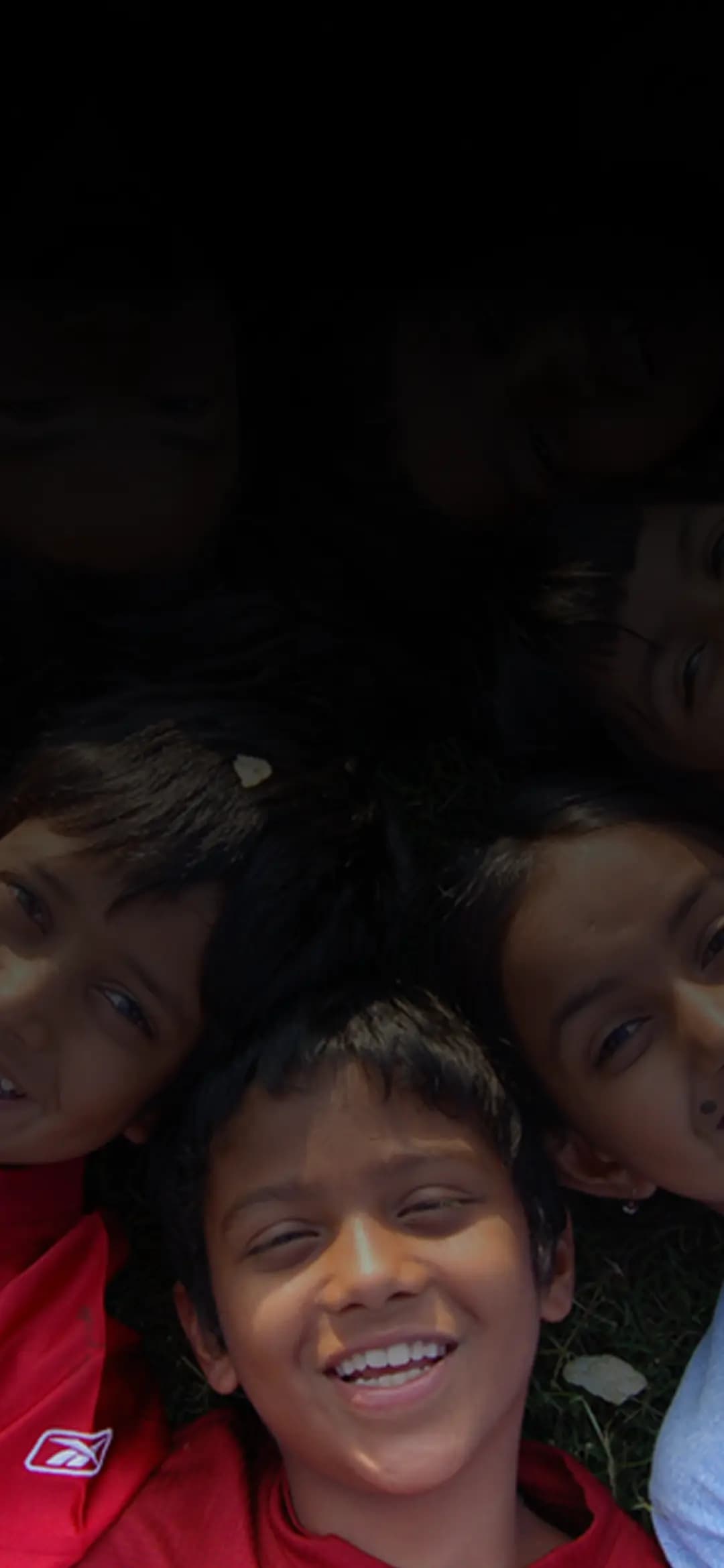
Neuroaffirmative Therapy to Support Your Child’s Development
Every child is unique. Our Developmental Care Programme at Children First uses play-based therapy to support your child’s social communication, sensory needs, play, movement, and everyday skills across Autism, ADHD, and other developmental differences.
Why Some Children Experience the World Differently
Autism, ADHD, speech delays, sensory processing differences, motor planning challenges, and emotional regulation difficulties often show up in everyday moments. Understanding what these patterns mean helps you choose the right developmental support early.
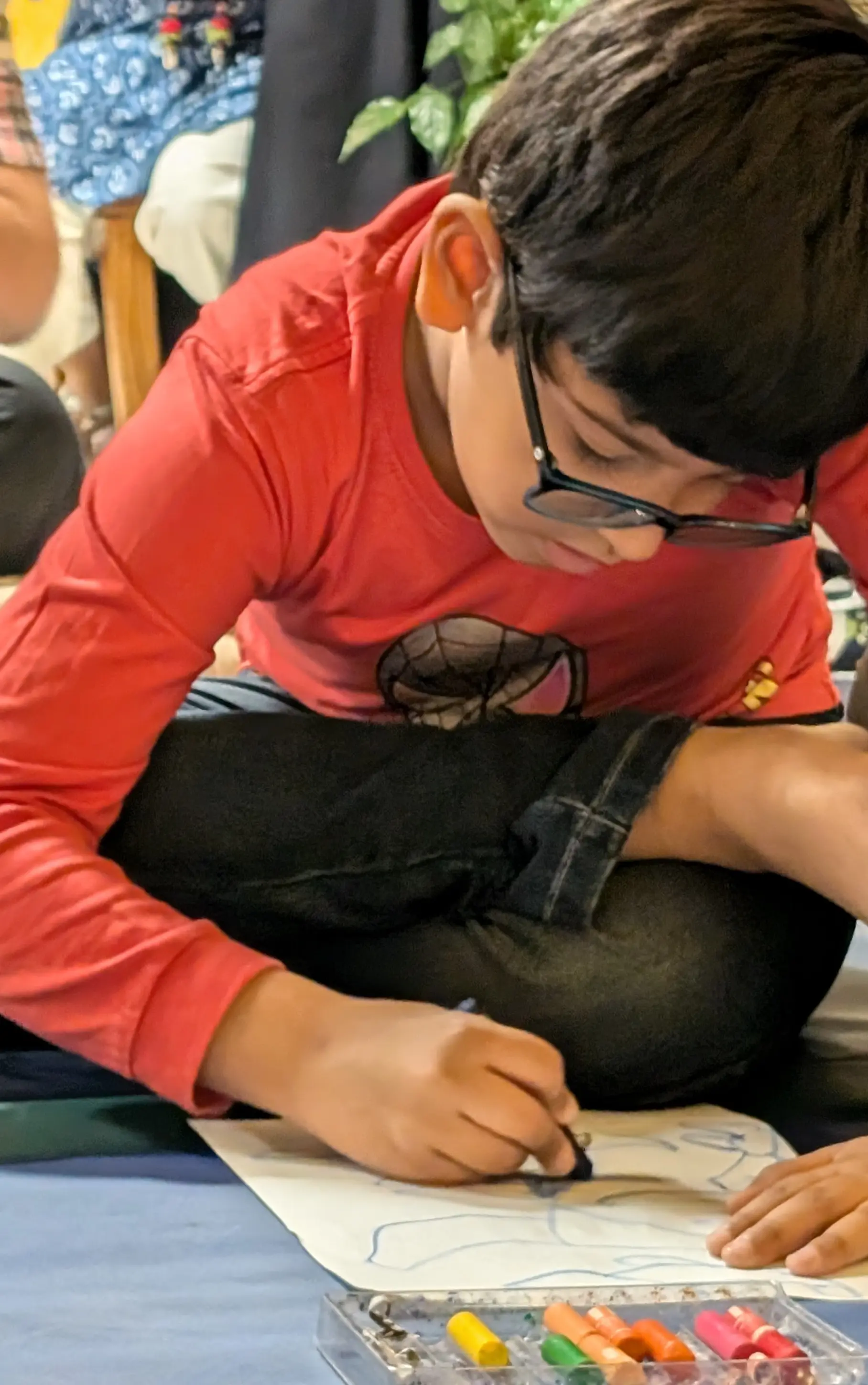
Autism, ADHD, speech and language delays, sensory processing differences, and motor planning challenges are rooted in how a child's brain and nervous system develop. These differences influence how children process sound, touch, movement, attention, and social information. They are not caused by parenting style, screen time, discipline, or effort. They reflect neurological development that shapes how your child experiences and responds to the world around them.
Differences in development can rarely be explained by a single symptom. Developmental differences often appear across communication, attention, sensory processing, emotional regulation, and motor coordination at the same time.
You might notice limited speech, repeating words without meaning, difficulty with transitions, frequent meltdowns, lining up toys, flapping hands, avoiding eye contact, sensory distress, impulsivity, or struggling in group settings. These patterns commonly overlap in Autism, ADHD, speech delays, and other neurodevelopmental differences.
Looking at the full developmental profile gives a clearer understanding than focusing on one label alone.
Meltdowns, shutdowns, withdrawal, aggression, or refusal are often signs that a child’s nervous system is overwhelmed. Regulation is the ability to manage emotions, sensory input, transitions, and everyday demands. When regulation is difficult, even small situations can feel intense. What is often called “behaviour” is usually a child communicating stress, discomfort, or a need for support. Strengthening regulation helps children tolerate transitions, participate in routines, and engage more comfortably at home and school.
Some children are highly sensitive to noise, clothing textures, food textures, bright lights, or touch. Others constantly seek movement, pressure, or sensory input. These sensory processing differences influence attention, learning, play, social participation, and the development of independence in everyday skills. When sensory input feels overwhelming or under-stimulating, children may avoid activities, become distressed, or appear restless. Understanding sensory patterns helps create environments where children can stay organised, focused, engaged, and more independent in daily routines.
Communication is more than speaking clearly. It includes shared attention, understanding instructions, expressing needs, responding to others, and building back-and-forth interaction. A child may talk but struggle to communicate meaningfully. Another child may use gestures, pulling, or behaviour instead of words. Supporting communication means building interaction, understanding, and social engagement, not only vocabulary.
The early years are a period of rapid brain development and neuroplasticity. Early developmental support strengthens foundational skills such as social communication, regulation, sensory integration, motor development, play, and social participation. Building these foundations early helps equip children to learn from their environment, develop independence in daily routines, and transition more comfortably into preschool and school. It also supports families in creating meaningful, playful opportunities for connection and understanding ways to scaffold their child’s needs over time.
Developmental Needs, Differences, and Profiles We Support
We provide integrated developmental care for children with diagnosed or emerging neurodevelopmental conditions affecting communication, behaviour, learning, and participation.

Autism Spectrum Differences
Each child’s autism profile is different. You may notice limited speech or social communication, avoiding eye contact, repetitive play, flapping hands, sensory distress, sensitivity to textures, sounds or smells, and routines.

ADHD and Attention Differences
ADHD affects attention, impulse control, and activity levels. Signs include restlessness, difficulty waiting, frequent meltdowns, classroom struggles, impulsive behaviour, and trouble following routines.

Speech and Language Delays
Speech and language delays affect understanding and expression. Children may have limited speech, repeat words without meaning, pull adults instead of asking, or struggle with conversation.

Sensory Processing Differences
Sensory processing differences affect responses to sound, touch, movement, light, or food. You may notice covering ears, avoiding textures, feeding difficulties, or overwhelm in busy spaces.

Motor Planning and Coordination Challenges
Motor planning challenges affect coordination, sequencing, and body control. Children may struggle with dressing, feeding, toileting, handwriting readiness, balancing, playground activities, or organising their body in play.

Global Developmental Delays (GDD)
Global developmental delay affects progress across communication, movement, learning, and daily skills. Children may reach milestones like speaking, walking, or self-feeding later than expected.

Emotional Regulation Difficulties
This affects how children manage frustration, stress and transitions. Signs include meltdowns, intense reactions, difficulty expressing emotions, social anxiety, difficulty understanding others’ feelings.

Trauma-Related Developmental Differences
Stress or trauma can affect how children develop, relate, and feel safe. Signs may include withdrawal, school refusal, sleep changes, fearfulness, or difficulty trusting new environments.
We follow 3 clear steps at Children First Developmental Care Programme, built to help you understand your child's needs and access the right support.


Meet Us for a 90-Minute Initial Consultation
We observe your child's play, communication, movement, and regulation while understanding routines and developmental history. You leave with a summary of our observations, findings, recommendations, and next steps.
Begin the Pathway Designed for Your Child
Based on your child's age and developmental profile, they begin on one of our programmes. Sessions build regulation, communication, motor skills, and participation through structured, play-based work.
Ongoing Support, Reviews, and Parent Partnership
We review progress regularly within each programme to share updates, hear family feedback, and refine goals. These conversations help carry the work into home and school so development continues beyond sessions.
Meet Us for a 90-Minute Initial Consultation
We observe your child's play, communication, movement, and regulation while understanding routines and developmental history. You leave with a summary of our observations, findings, recommendations, and next steps.
Begin the Pathway Designed for Your Child
Based on your child's age and developmental profile, they begin on one of our programmes. Sessions build regulation, communication, motor skills, and participation through structured, play-based work.
Ongoing Support, Reviews, and Parent Partnership
We review progress regularly within each programme to share updates, hear family feedback, and refine goals. These conversations help carry the work into home and school so development continues beyond sessions.


The Difference Our Care Makes
2,500+ children and families supported through Children First Developmental Centre, building deep expertise in neuroaffirmative, play-based care.
Over 40 years of research shows that early, structured intervention can improve outcomes for vulnerable children well into their adult years.
Children in play therapy got better at everyday skills, social interactions, and managing emotions across 32 studies, and parents felt more connected to their child too.
Across 54 studies of children under 6, play and relationship based approaches consistently helped children connect, communicate, and engage with the world.
Sources: (Center on the Developing Child at Harvard University, 2007): https://developingchild.harvard.edu/wp-content/uploads/2024/10/Policy_Framework.pdf; (PubMed, 2021): https://pubmed.ncbi.nlm.nih.gov/34853960; (PMC, 2021): https://pmc.ncbi.nlm.nih.gov/articles/PMC8012416/
Integrated, Evidence-Based Developmental Care Pathways
The early years shape how children communicate, regulate emotions, move their bodies, and relate to others. Our structured, play-based pathways provide age-appropriate support based on your child’s developmental profile.
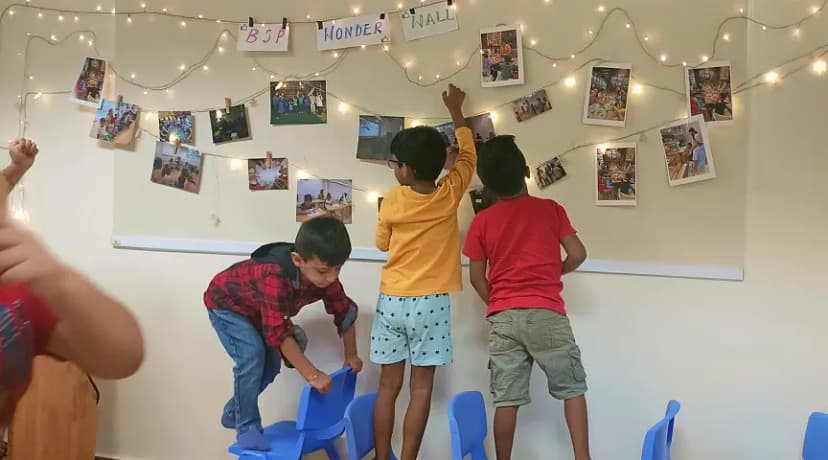

Early Intervention Care Pathway
(3-5 days per week) This pathway is for children under 6 years who need intensive support to build connection, communication, and play.
What this pathway builds
This pathway builds sensory processing, emotional regulation, joint attention, intentional communication, play skills, motor planning, posture, balance, and body awareness. As children feel more organised in their bodies, connection and learning become easier.
How it works
Sessions include Occupational Therapy, Developmental Therapy and Group Work at the Children First Centre. Therapists plan together around one developmental formulation based on your child’s history, strengths, and current needs. Progress is reviewed every 3 months with the team, along with monthly sessions to understand how to support skill transfer at home.
Outcomes
Children have fewer meltdowns, engage longer in play, respond more consistently when called, and show clearer communication attempts. Daily routines become calmer, and parents feel more confident handling challenging moments.
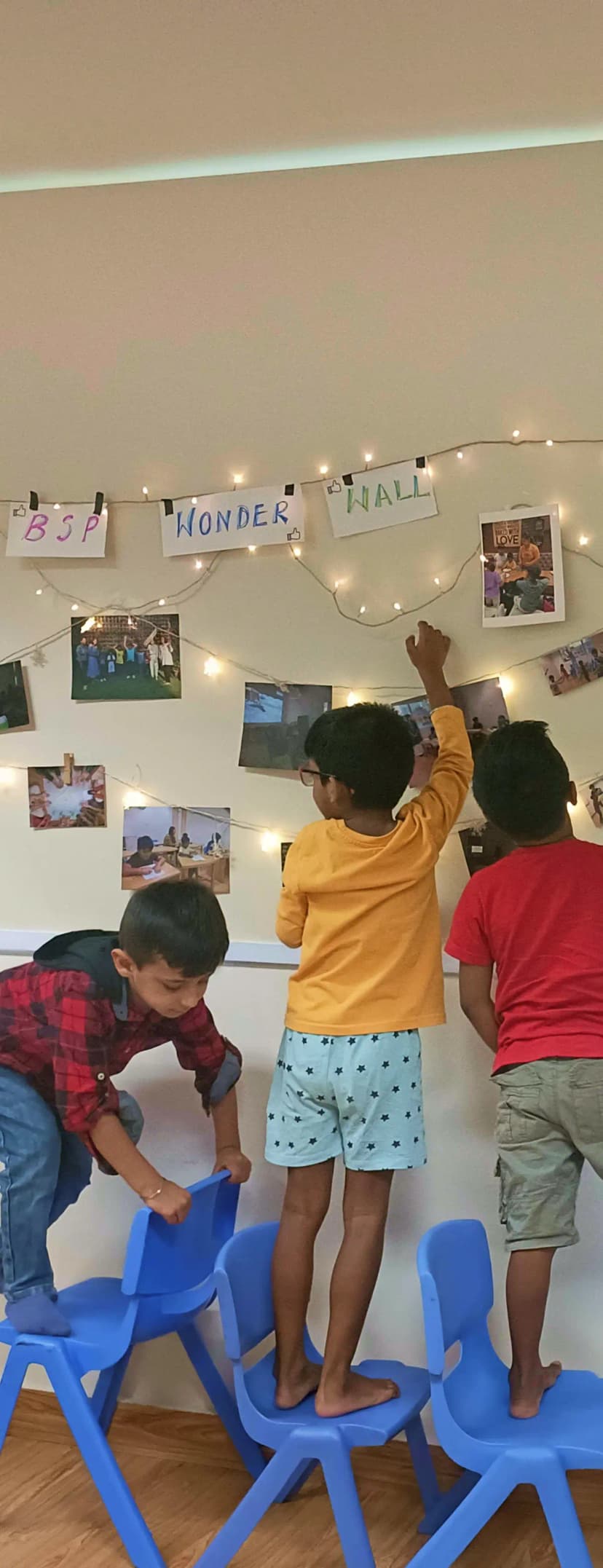
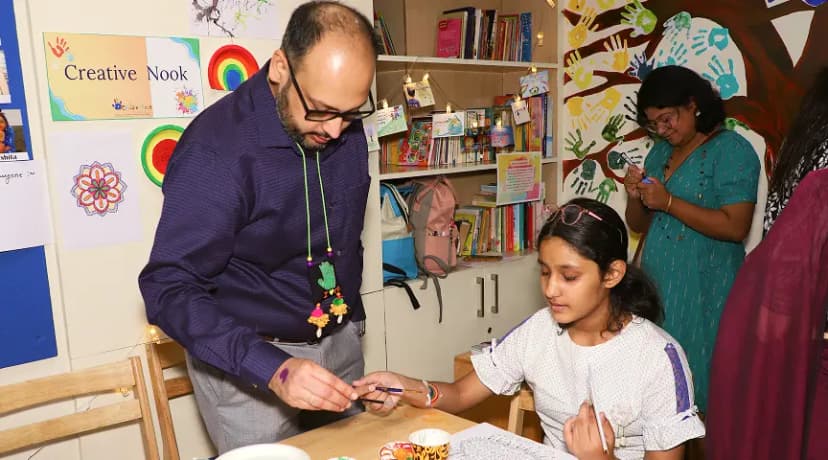

Big Steps Pathway
(2-3 days per week) This pathway is for children aged 6-10 years who need support participating in classrooms and structured group settings.
What this pathway builds
This pathway builds classroom readiness, regulation in shared spaces, peer awareness, group participation, transition handling, and role understanding within structured environments.
How it works
We help your child attend, wait, participate, and engage meaningfully in group environments while staying regulated and connected. Occupational and Developmental therapists guide the work around your child's developmental profile, communication style, and where they are in their relationship with school; whether just entering, already attending, or working toward it.
Outcomes
Children manage classroom routines more independently, handle transitions with less distress, participate in group activities without constant prompting, and build more meaningful peer interactions. Parents feel more confident communicating their child’s needs to schools.
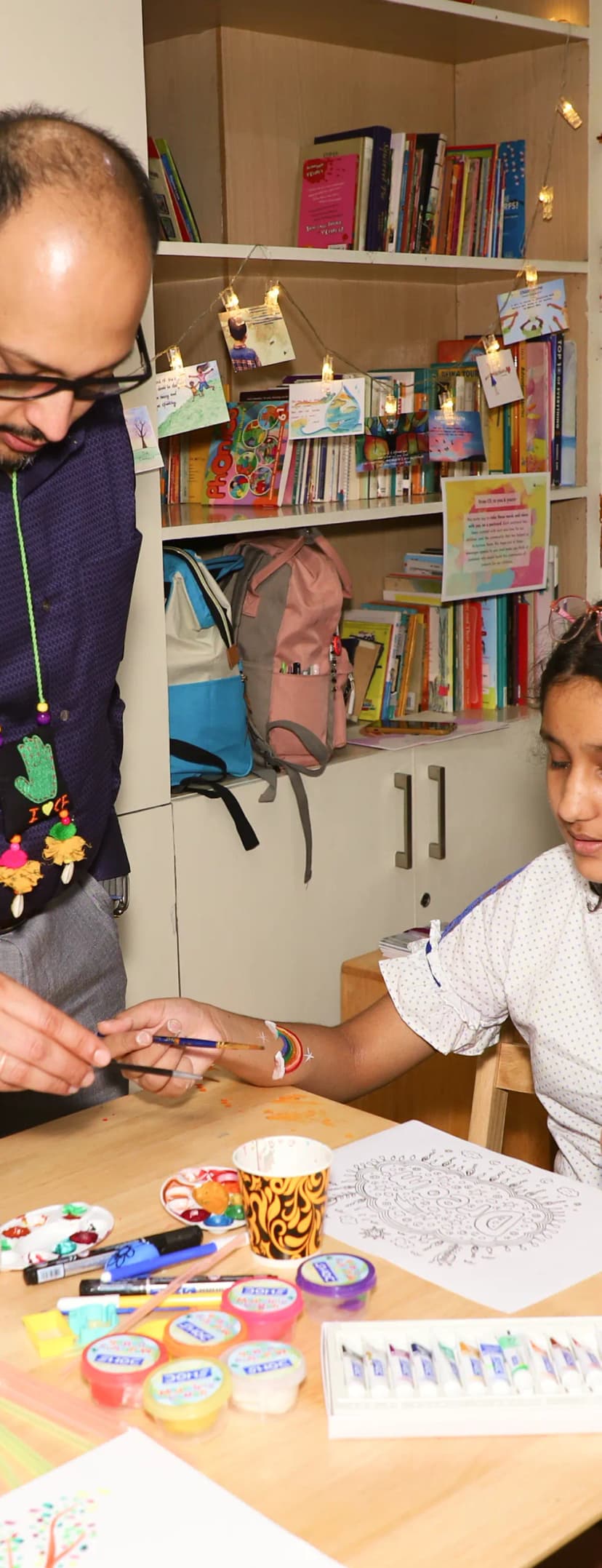
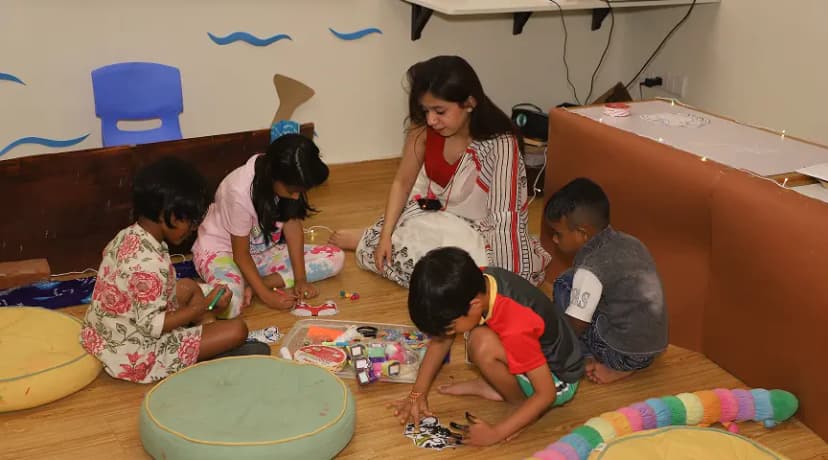

Group-Based Developmental Pathway
(1 weekly session per group) This pathway is for children between 7–12 years who are ready to strengthen social, motor, and participation skills in peer groups.
What this pathway builds
This pathway includes carefully crafted therapeutic groups designed to support specific developmental needs and skill-building, such as motor planning, writing readiness, social-emotional learning, and navigating friendships.
How it works
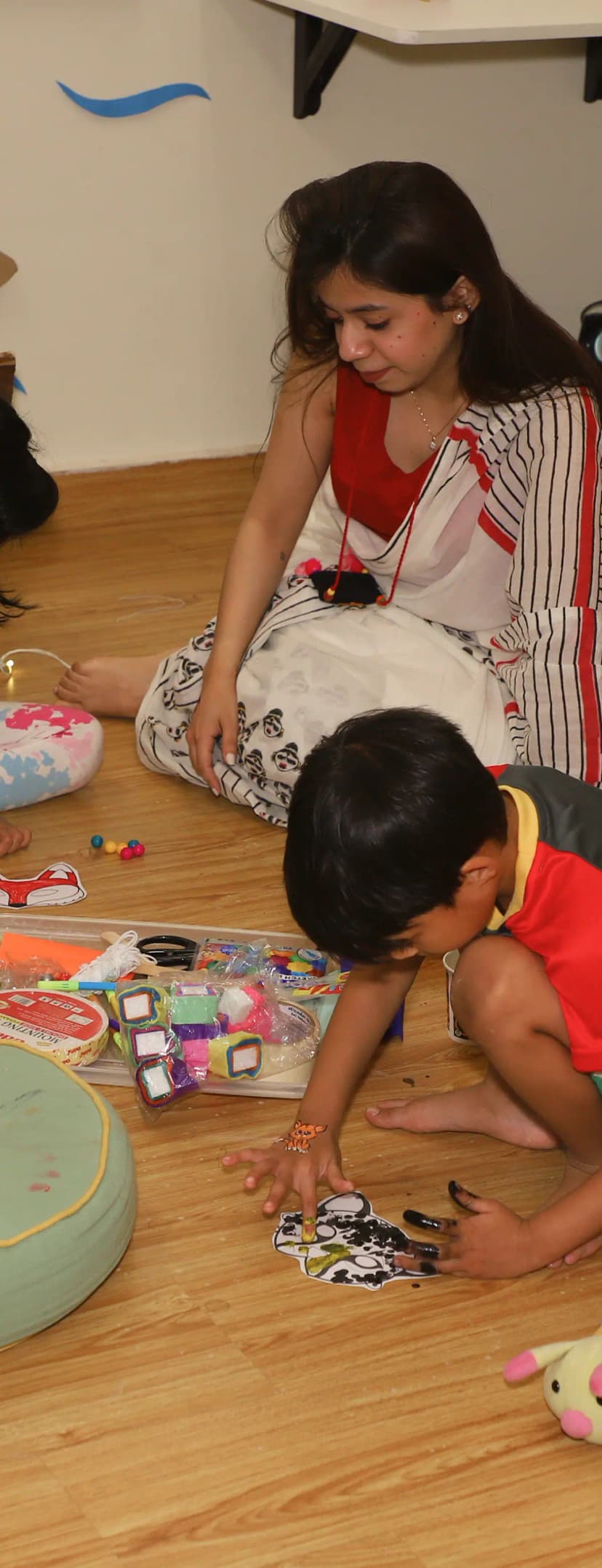
Your child joins a small, therapist-led group of 4–8 children matched to their developmental stage, with the option to attend one group or combine it with individual therapy. Groups include Move and Groove for motor skills and regulation, Scribbles to Strokes for writing readiness, The Social Lab for friendships and social skills, and Stories of Us for social-emotional learning through play.
Outcomes
Across our group programmes, children show better coordination, clearer handwriting, stronger peer relationships, and improved emotional awareness. They participate more confidently in classrooms, playgrounds, and everyday social situations.
We Strengthen Your Child’s Development With Focused Support
Some children and families benefit from added layers of care alongside the pathways above. These options are considered thoughtfully and only when they add meaningful value to your child's developmental journey. They work alongside your main care plan.
Individual Developmental Therapy (1:1)
These sessions offer focused support for children navigating anxiety, trauma, school refusal, unexplained crying, or withdrawal using play-based approaches to help children build internal safety, express feelings, and strengthen connection.
Psychodiagnostic Assessments
A psychodiagnostic assessment focuses on formal diagnostic evaluation, structured testing, and clinical formulation. It is often recommended when diagnostic clarity is needed or formal documentation is required.
Parent Support and Coaching
Parent sessions help understand your child’s developmental patterns and respond with confidence at home. Coaching includes practical strategies, shared reflection, and strengthening the parent–child relationship in everyday situations.
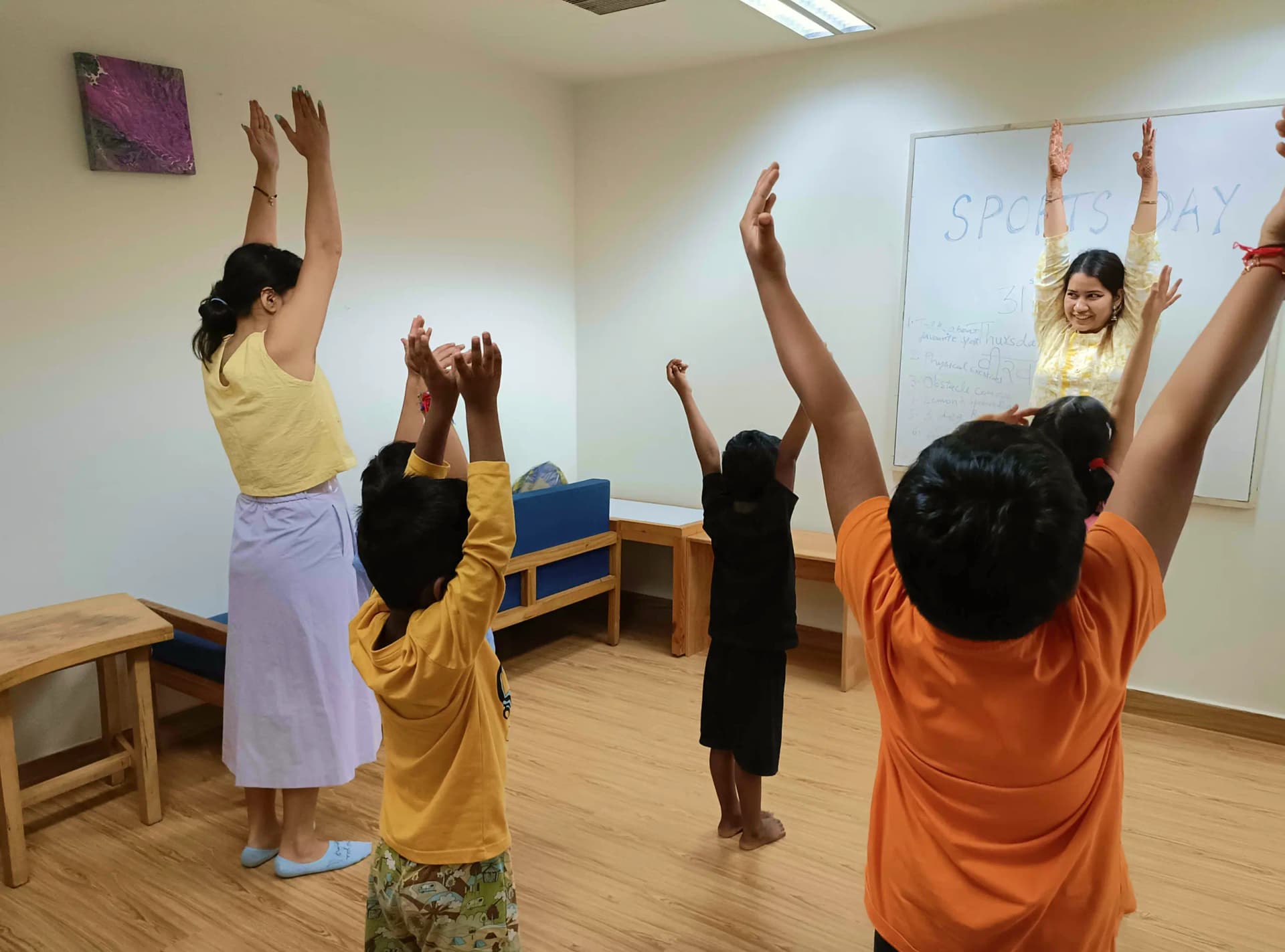
Every child is unique. Their care should be too.
At Children first, we go beyond diagnosis to understand the quirks, the shining moments, and the full picture before helping you choose the right next step.
Designed and Led by Specialists Working With Children Every Day
This programme was built from years of hands-on clinical work with children and families. It is delivered by a dedicated team of developmental and occupational therapists and psychiatrists working together under one integrated care framework.




Lavina Nanda
Head: Developmental Centre Services | M.Sc. Clinical Psychology & Mental Health, University of Sussex | 15+ Years of Experience
Lavina Nanda is a Senior Developmental Therapist and Play Practitioner who heads the Developmental Centre at Children First, New Delhi. With over 15 years of experience working with young children with developmental differences and their families, she is a certified Therapeutic Play Practitioner and a trainer and supervisor in Neuro-Dramatic Play. Her work is grounded in the belief that children grow best where they feel connected, joyful and intrinsically motivated.
In her leadership role, Lavina shapes the clinical vision of Developmental Services and is deeply invested in building competencies for early interventionists through supervision and hands-on training in neuroaffirmative, strength-based models. She works closely with multidisciplinary teams, schools and families to create thoughtful support systems for children. She has also completed the WPATH Global Education Initiative Foundations Course, enabling her to offer gender-affirmative mental health care for young people exploring their gender identities.
Sukarma Dawer
Program and Clinical Lead: Developmental Services | M.A. Applied Psychology, Delhi University | 12+ Years of Experience
Sukarma Dawer is a Developmental Therapist with over 12 years of experience walking alongside young children and their families. Trained in developmental approaches to early intervention and the Neuro-Dramatic Play Therapy approach, she uses play, connection and curiosity as central pathways to support learning and growth. Her work is rooted in the belief that every child thrives within nurturing relationships and enabling environments.
A creative practitioner and clinical innovator, Sukarma takes a systemic, strengths-based approach — recognising that meaningful change happens when the child's entire ecosystem of families, educators and caregivers feels supported and empowered. Known for her calm presence and playful engagement style, she integrates music, movement and art into her sessions to foster connection, participation and joyful learning experiences for children.
Our Team Working Around Your Child's Growth
Our specialists bring expertise in neuro-affirmative, child-led therapeutic intervention for developmental needs and differences, through play-based work designed around your child's needs. To begin, book a consultation with any of our senior therapists below.
A second therapist joins every session, so two experienced clinicians are always present to observe and understand your child together.
You and your child spend about 90 minutes in an interactive session with two therapists at our centre.
During this time, through playful engagement, we understand how your child connects with the space, people, and activities around them. This helps us build a picture of their interests, strengths, areas of struggle, and developmental needs, while also understanding your family context, routines, and concerns.
What You and Your Child Receive

A brief written summary of our observations
A developmental profile outlining your child's strengths and support needs
Clear next steps and recommended pathways if support would be helpful
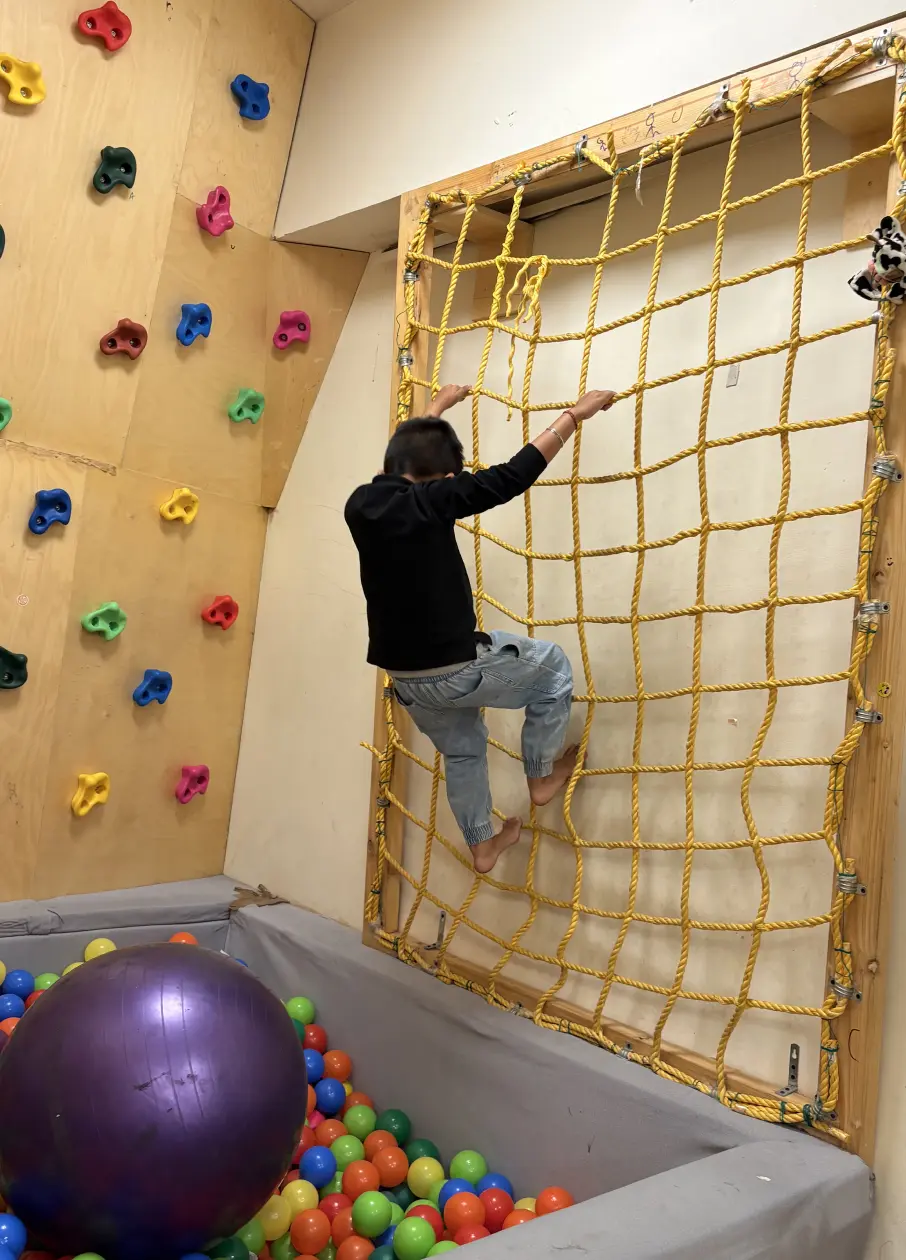
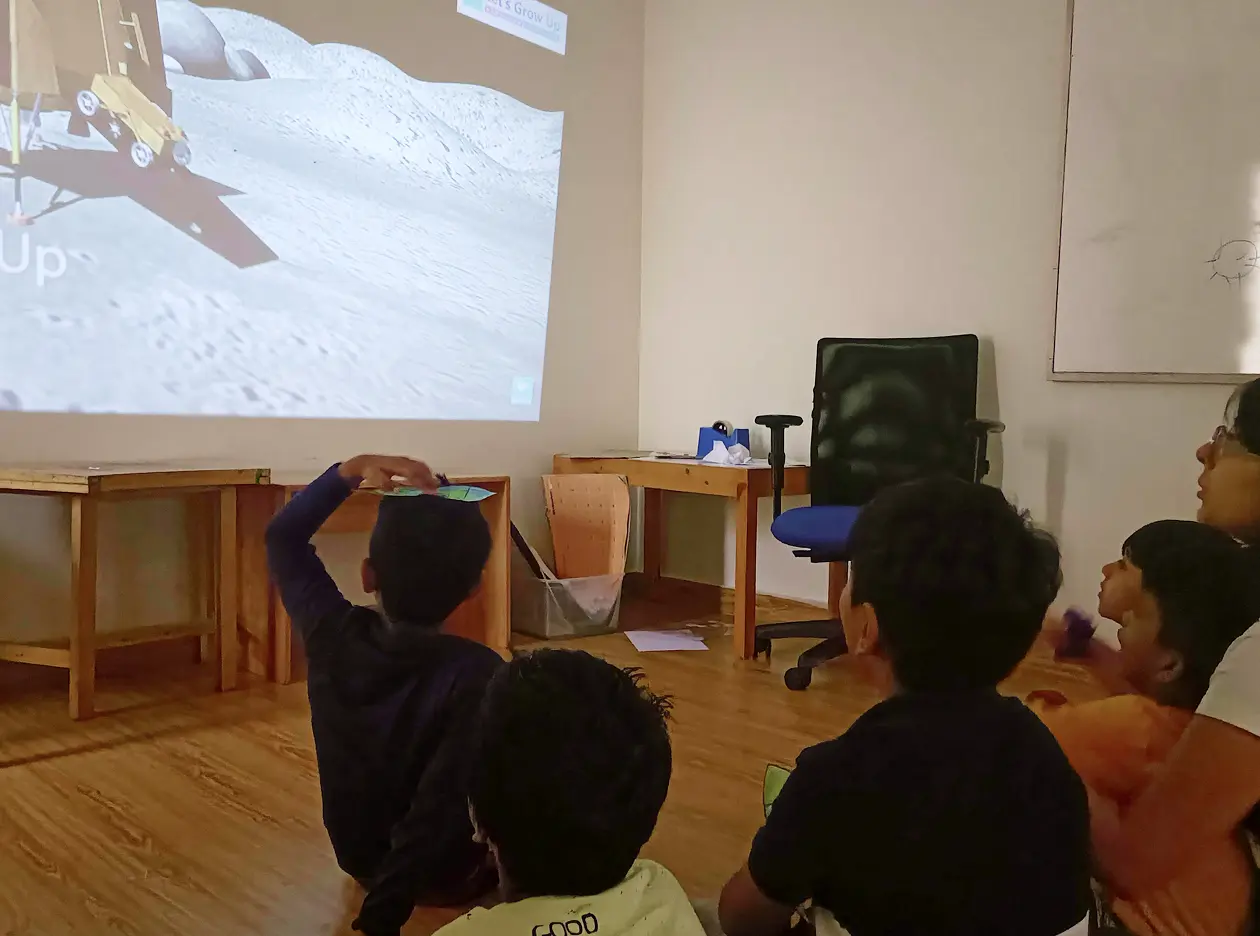
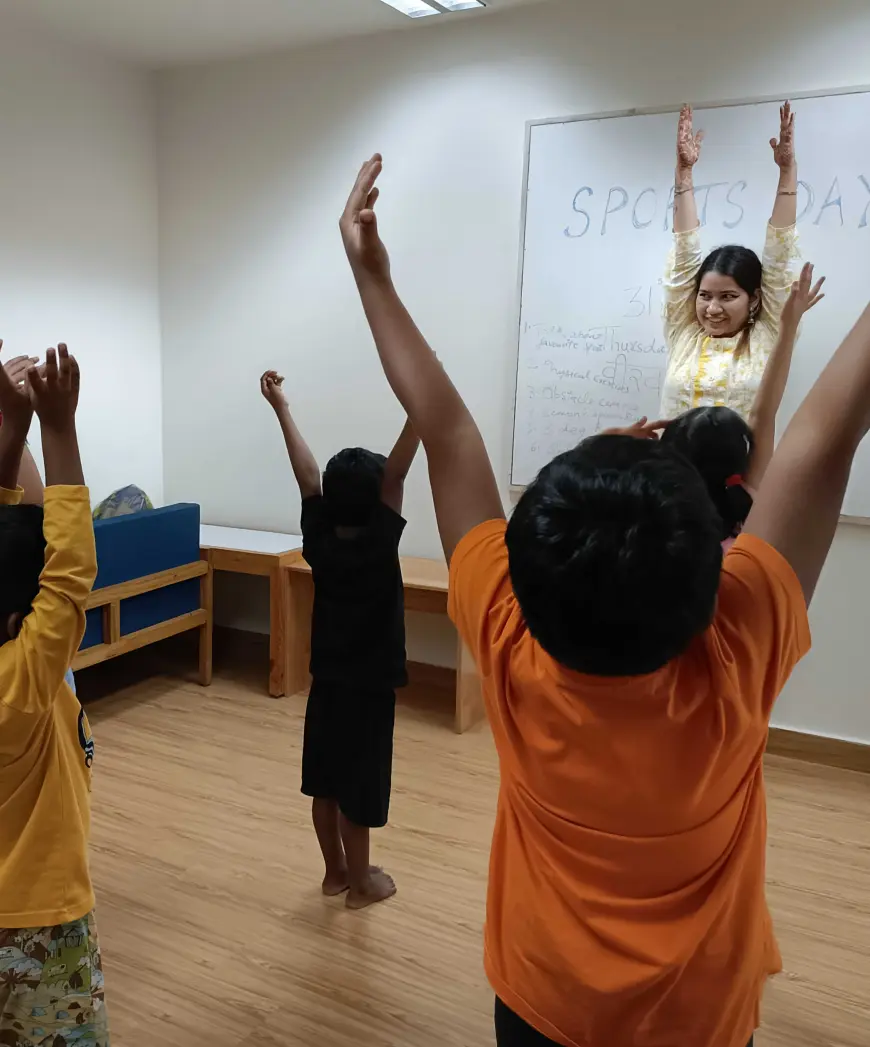
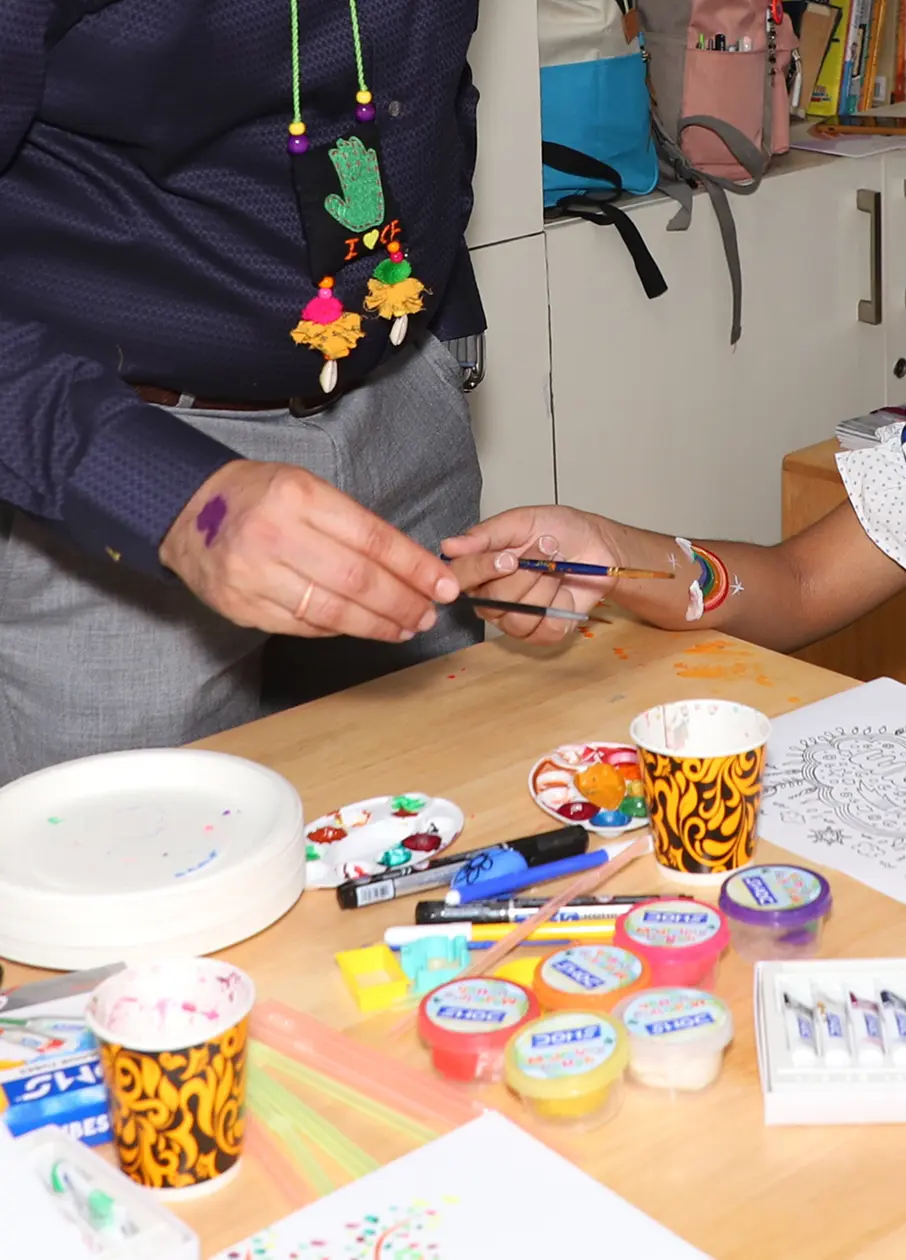
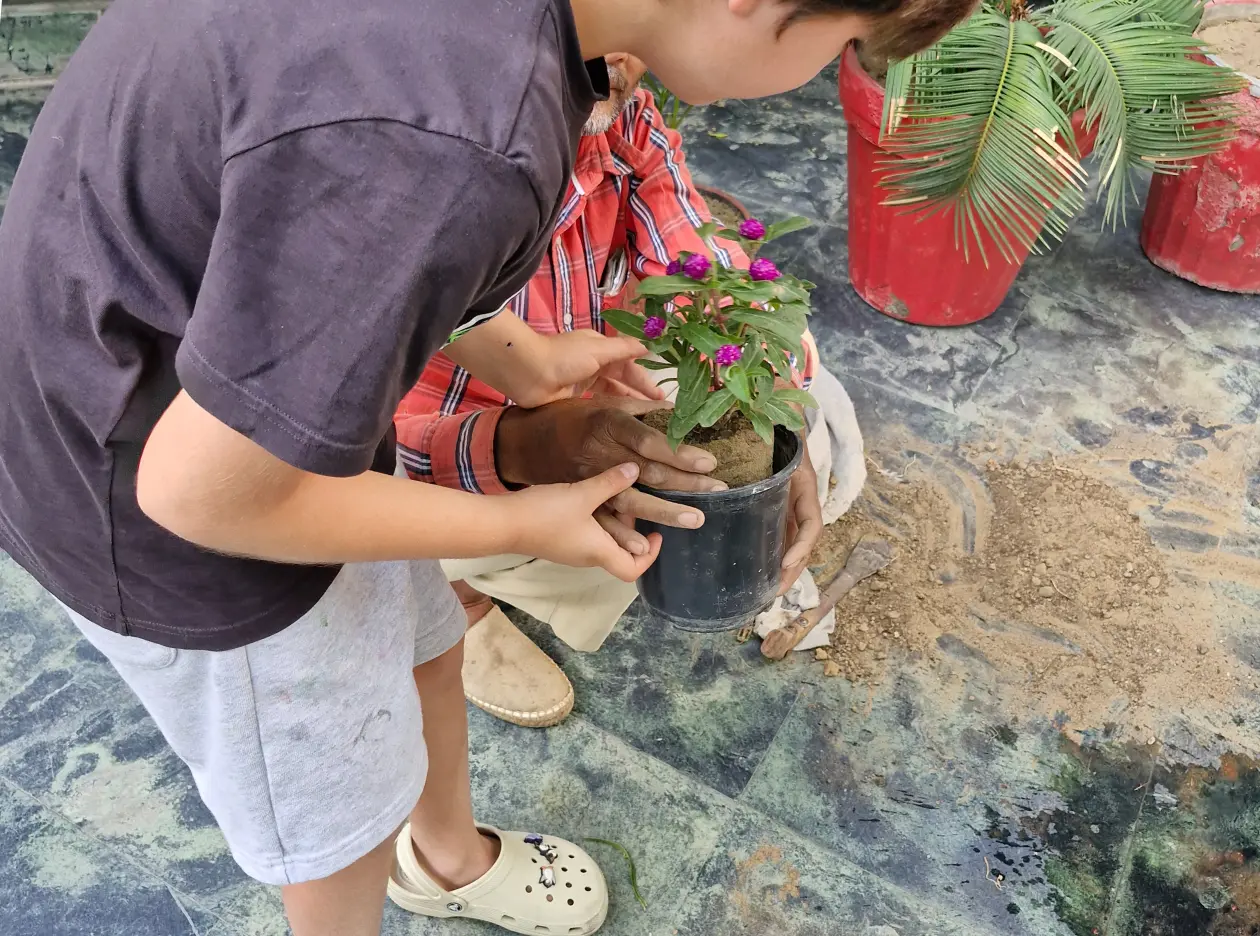
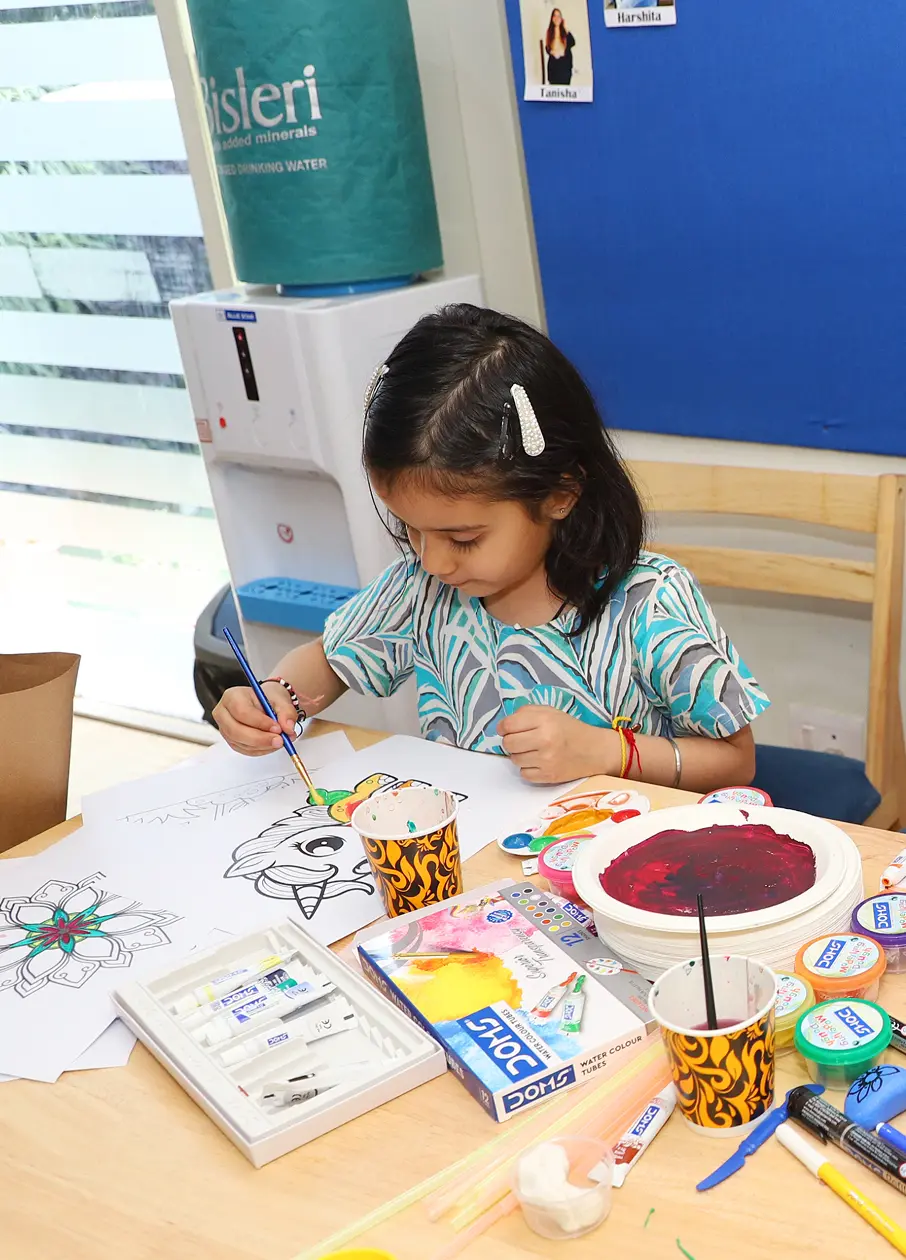
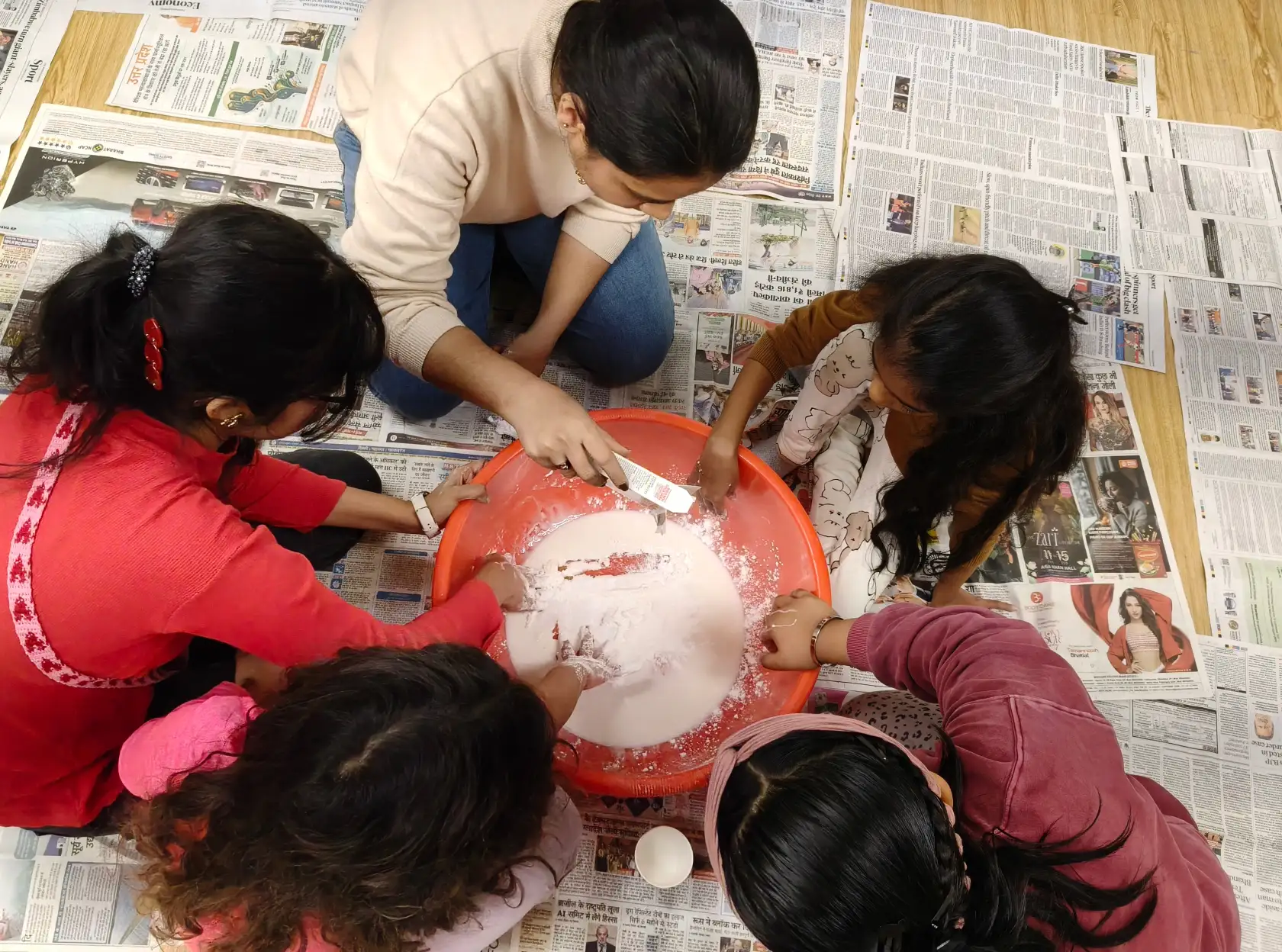
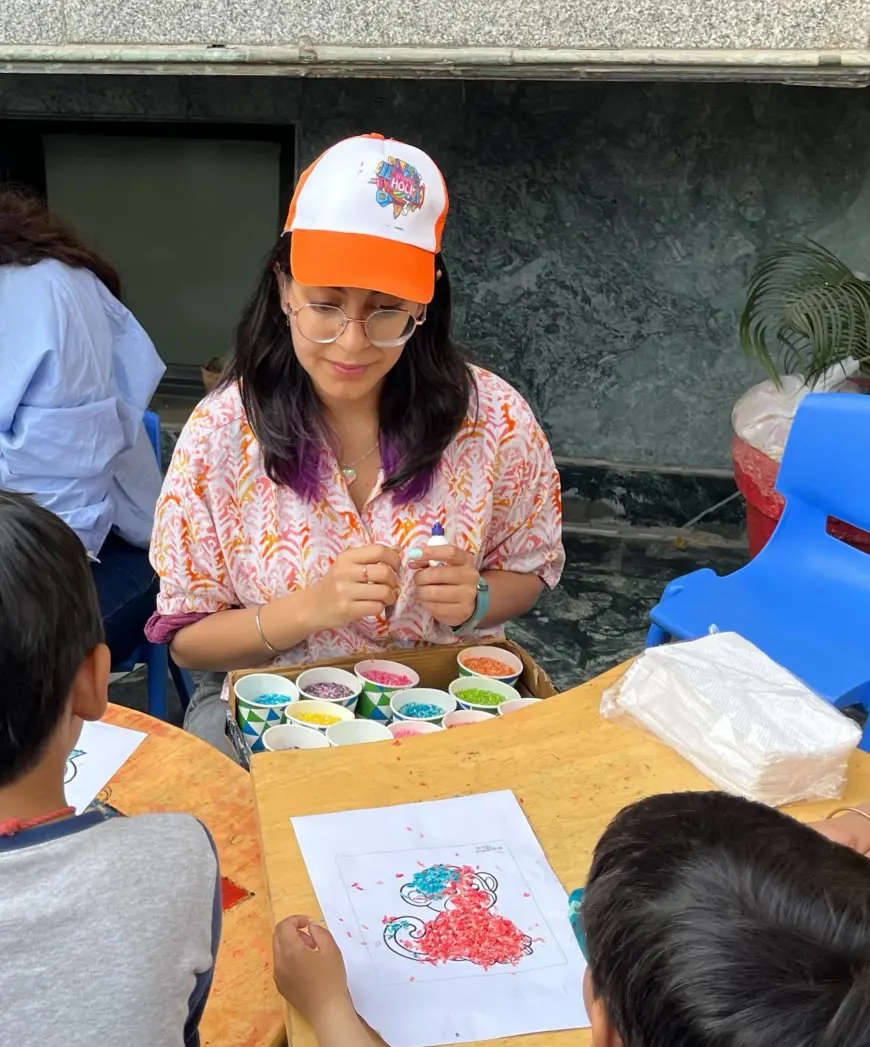
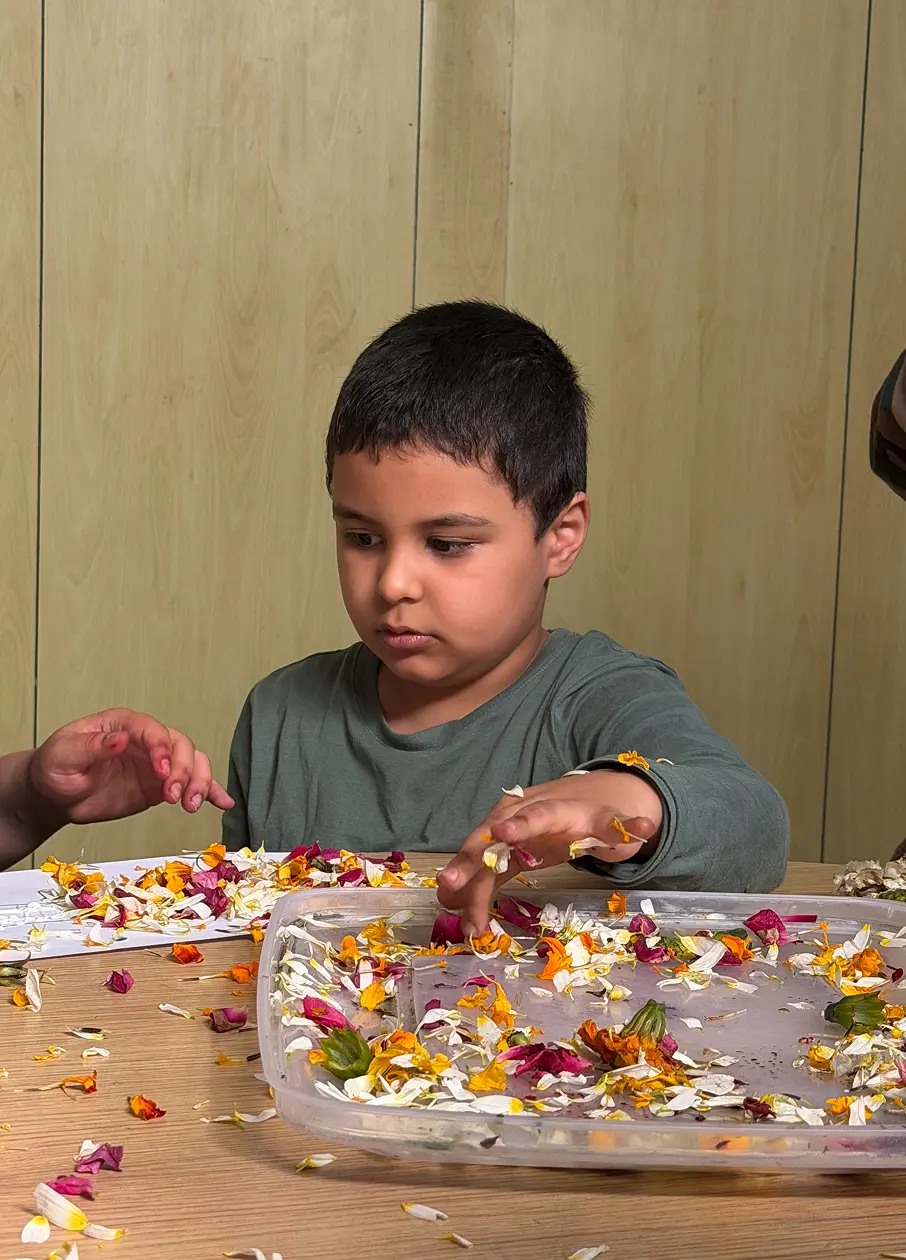
A Glimpse Into the World We Build With Children Every Day
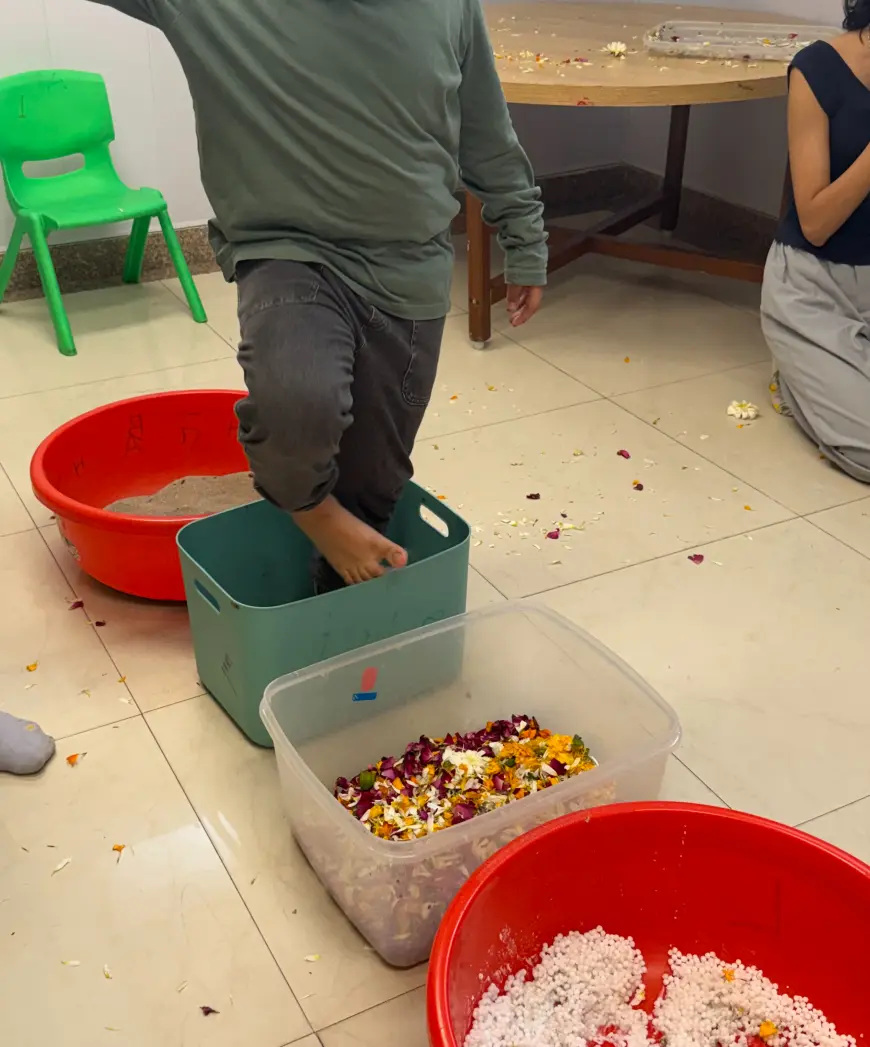
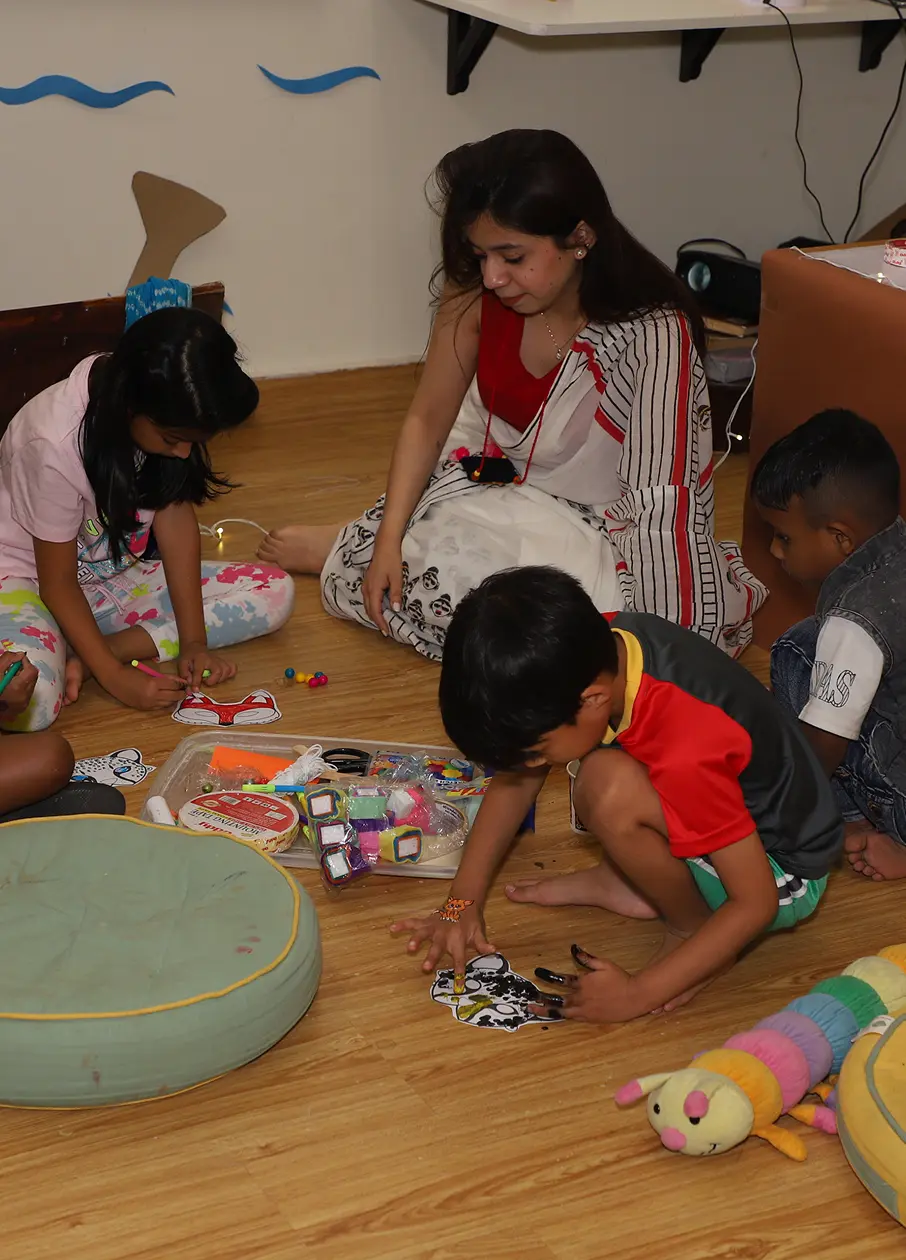
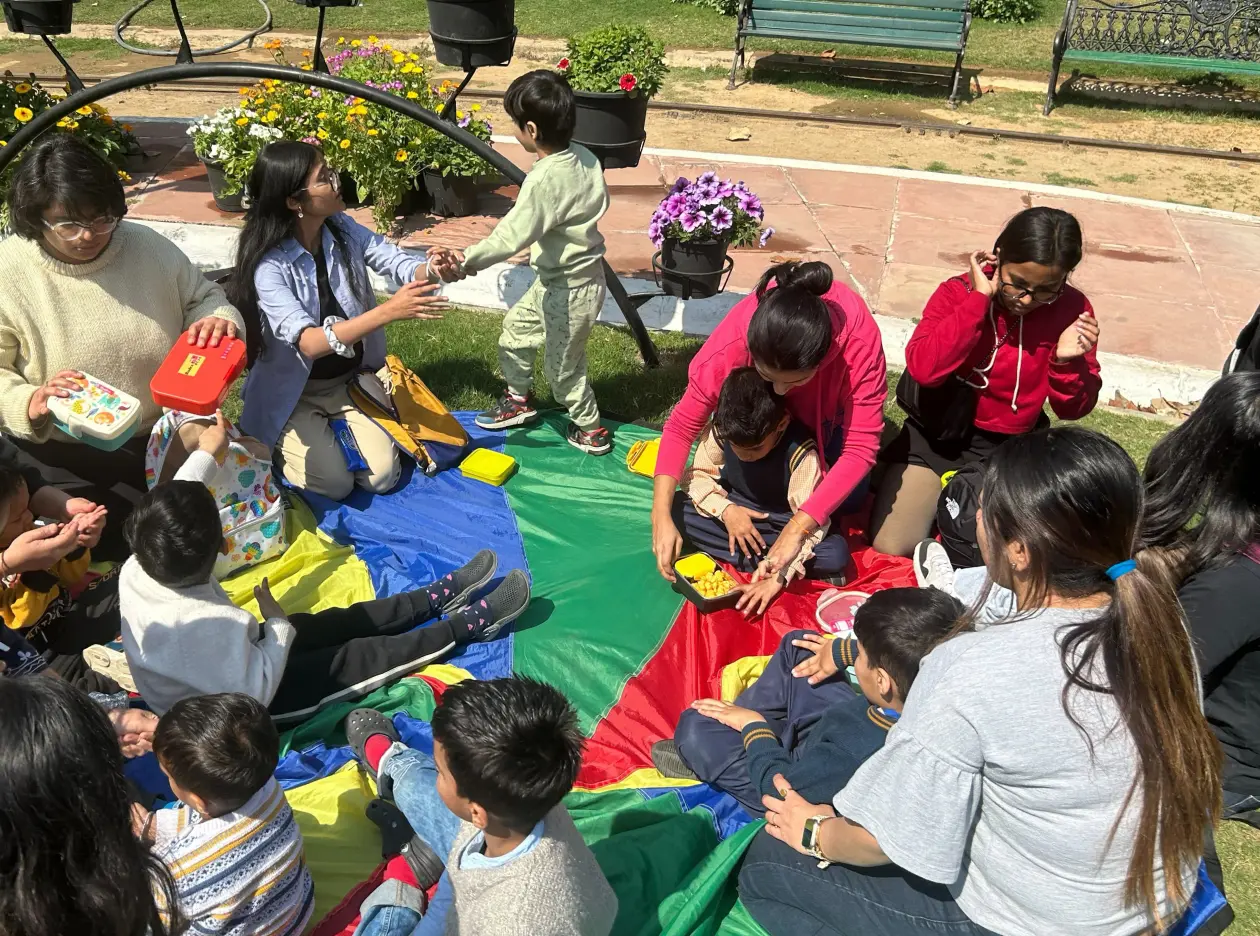
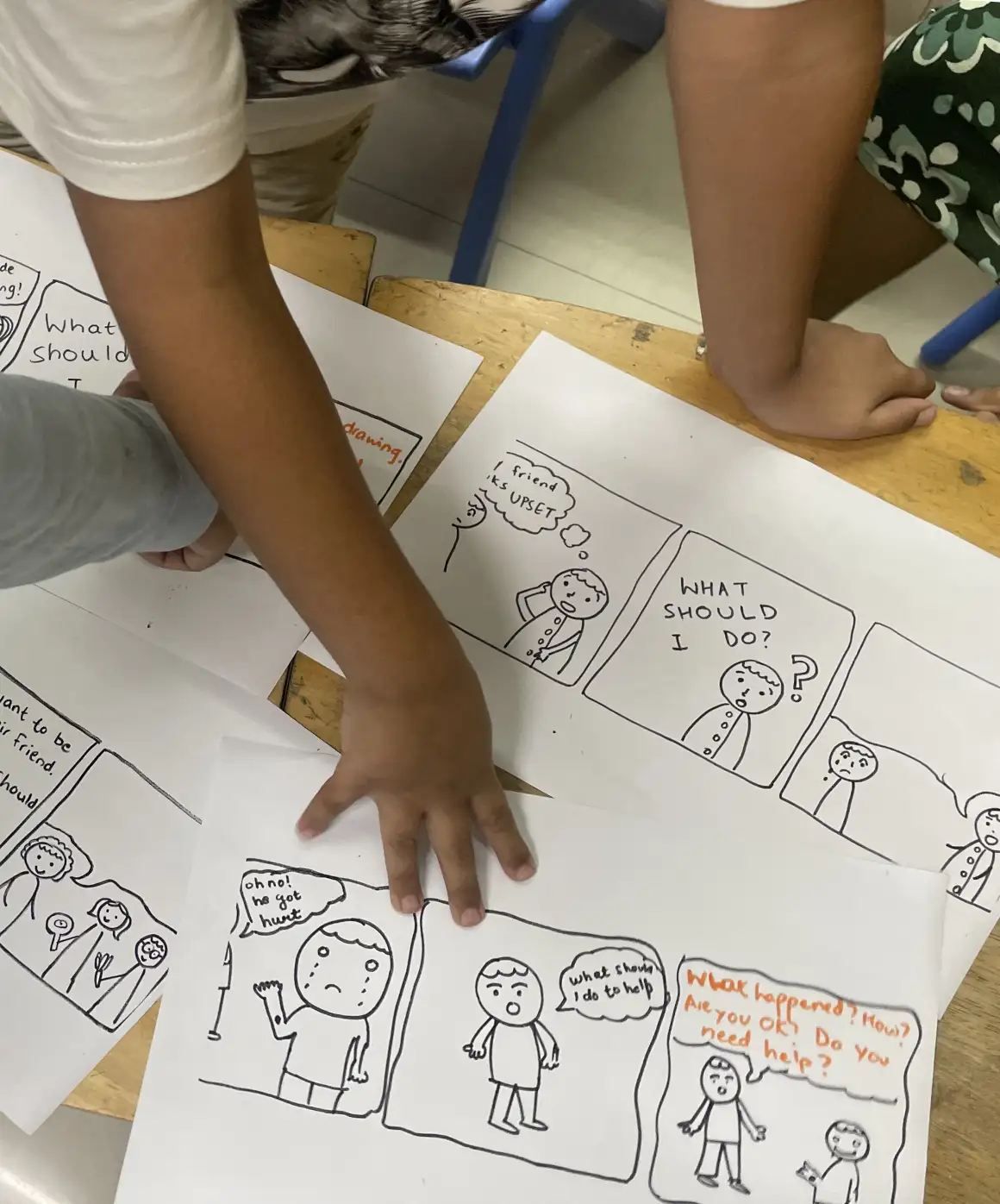
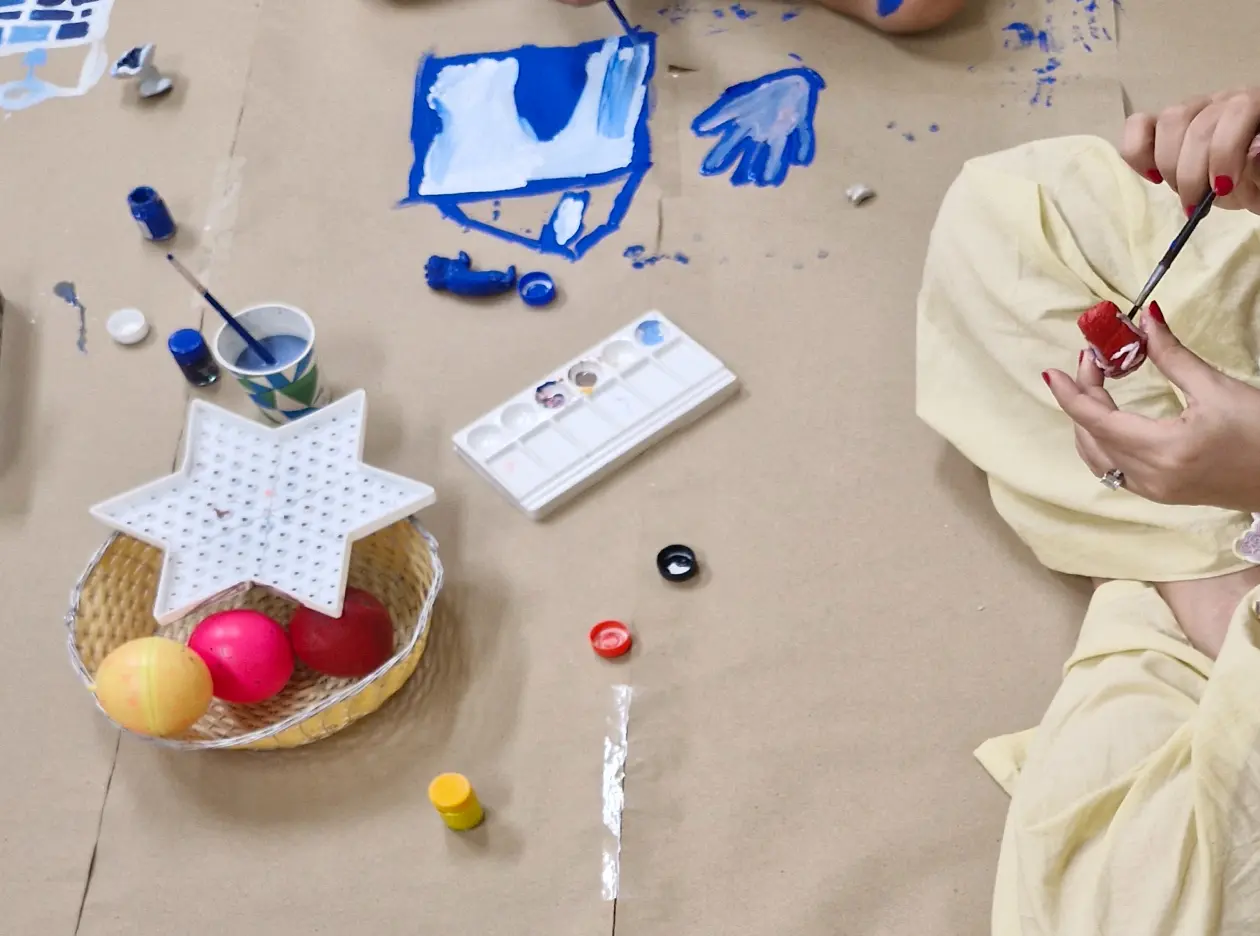
The children we work with shape us as much as we support them. This gallery offers a small window into the spaces where children lead, explore their strengths, and build connection in their own way.


Stories of Transformation
These stories hold the quiet moments when something changes, when a child connects, speaks up, joins in, or feels more at ease in their world.
Questions Families Ask Us Often
Your questions help us understand your child’s unique story and what they need to grow. Here are answers to the questions families ask most often.
Do I need a diagnosis before starting developmental care?
No. Most families come to us because something doesn't feel right, not because they already have a diagnosis. We begin by understanding your child through play, interaction, and observation. Care doesn't wait for a label. If a diagnosis becomes helpful later, we guide you through that process thoughtfully.
My child is very young. Is it too early to start?
Early support can be especially helpful for younger children. The early years are when communication, regulation, movement, and social skills develop together. Starting early doesn't mean something is wrong. It means supporting your child when learning happens most naturally.
What actually happens during the initial consultation?
The initial consultation helps us understand how your child experiences the world. We observe them through play, movement, and interaction while learning about your family routines. You leave with clarity on what we're noticing, what it might mean, and what support could help next.
How do you decide which pathway is right for my child?
Pathway recommendations are based on your child's age, developmental profile, and how they engage and interact in everyday situations. Some children benefit from early intervention, some from group work, and some from school-focused support. The pathway can evolve as your child grows and their needs change.
How is this different from doing just one kind of therapy?
Development happens when skills support each other. Communication, regulation, movement, attention, and relationships are all connected. Our play-led approach recognizes these natural links and supports development as a whole. When skills develop together, progress is stronger and more meaningful.
How will I know if my child is making progress?
Progress is reviewed and discussed regularly with you. Families often notice changes in everyday life such as calmer routines, better engagement, more communication attempts, reduced distress, and increased confidence. We talk through what's shifting, what remains challenging, and how goals evolve.
Will I be involved, or is this just for my child?
Parents are not just observers but central to the developmental journey. We work closely with you by sharing observations, offering strategies, and helping you support your child at home. Development needs to show up in daily life, and your involvement makes the difference between skills learned and skills lived.
My child is struggling in preschool/ school. Can you help with that?
Yes. When helpful and with your consent, we collaborate with preschools, schools, and educators. This includes sharing developmental insights, supporting transitions, and helping adults understand what supports your child best. We approach these conversations as partnerships, focused on what your child needs.
Information and Support to Navigate Developmental Care
We build our resources the way we build our care. It's grounded in science, shaped by what families actually experience.
Supporting Development at Home: Small Everyday Experiences That Help Children Grow
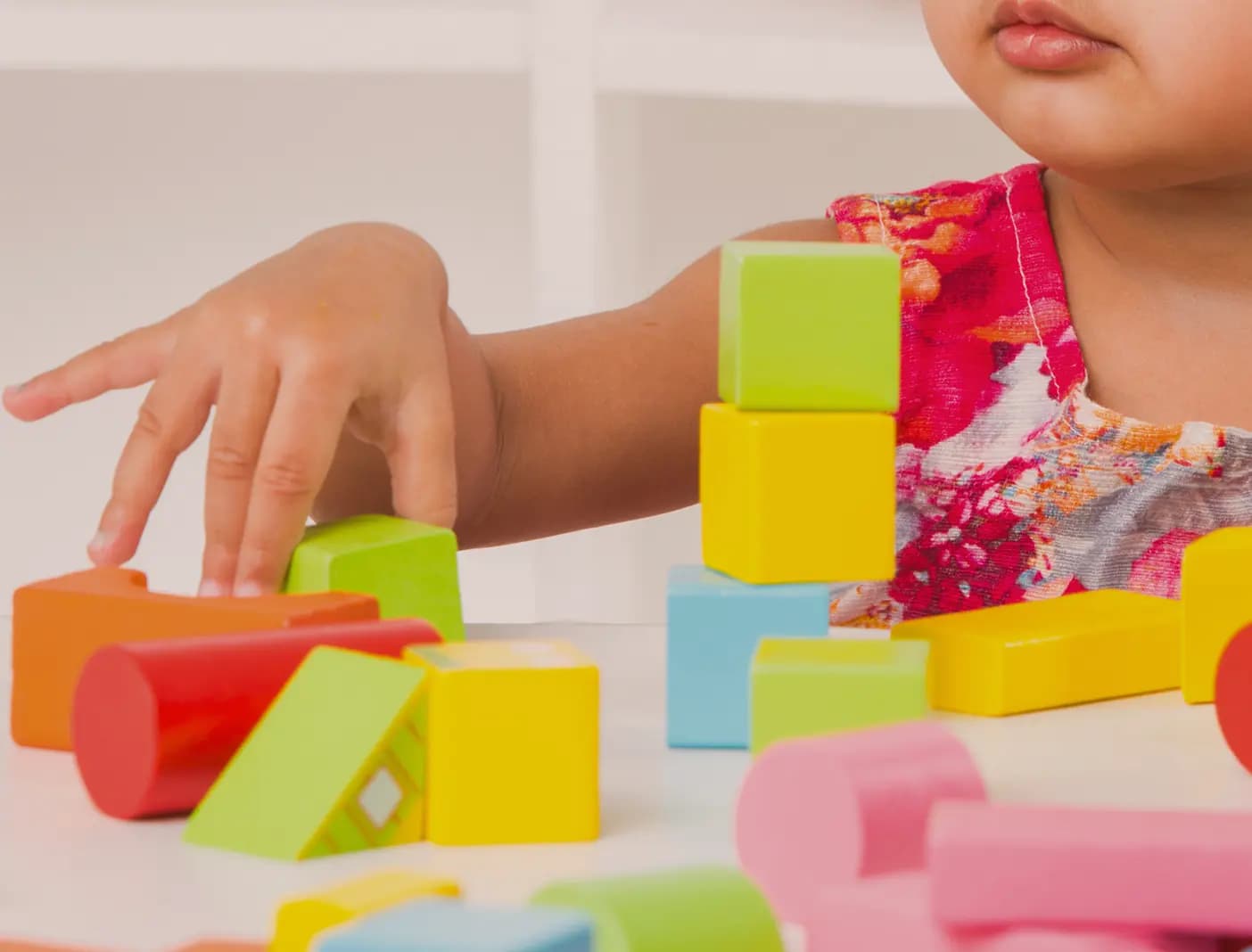
Everyday moments like mealtimes, play, and routines shape a child's development over time. This article explores small, sustainable shifts parents can make to support regulation, connection, and communication in daily life.
When Teachers First Notice Differences in the Classroom
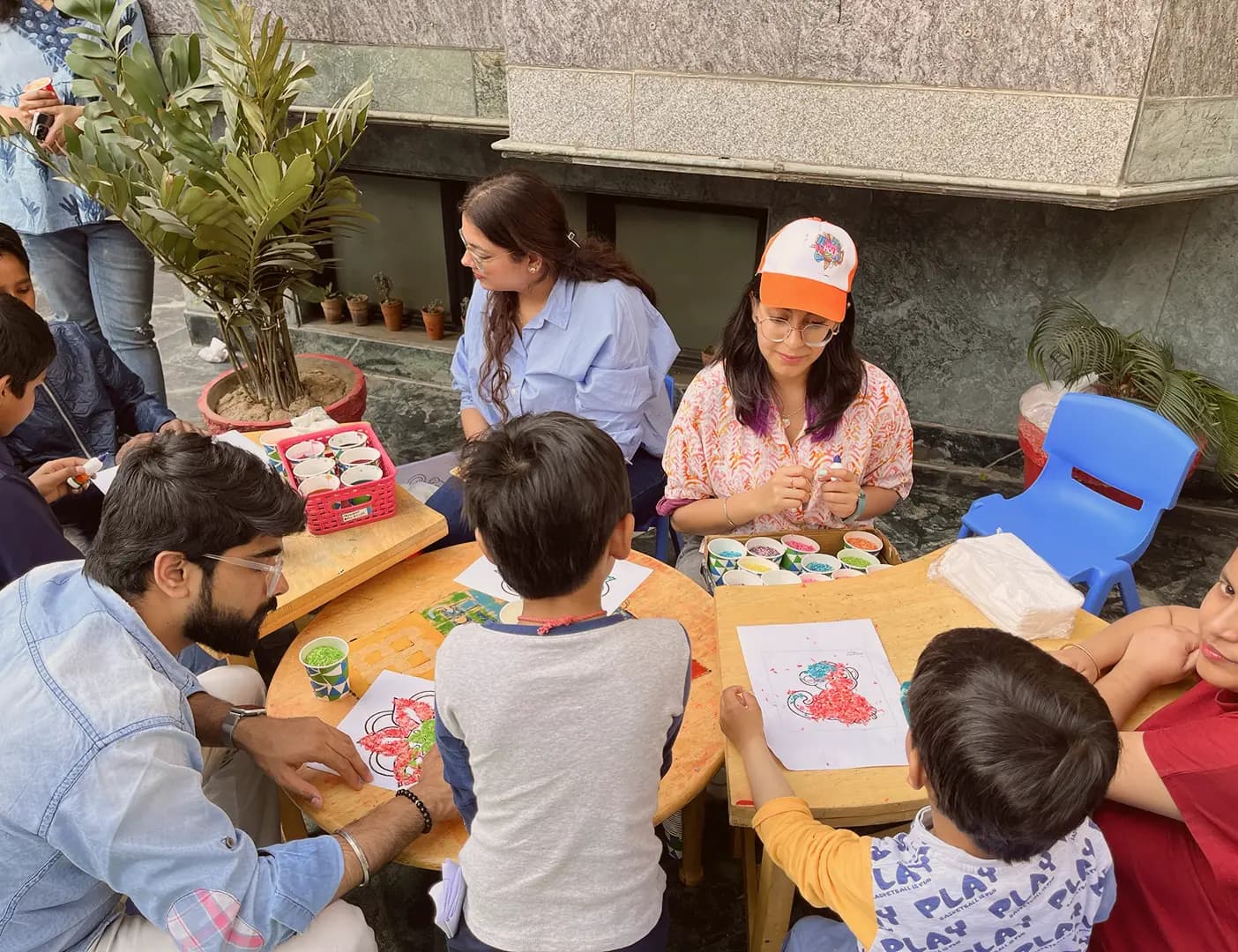
For many families, concerns are first raised in a classroom setting. This article unpacks common patterns like attention, social challenges, and behaviour, and connects them to underlying developmental needs.

Social Connection Before Language: Understanding Early Development in Children
Before children begin to speak, they are already communicating. This article explores how early social connection and engagement form the foundation for language, and why connection matters more than words alone.
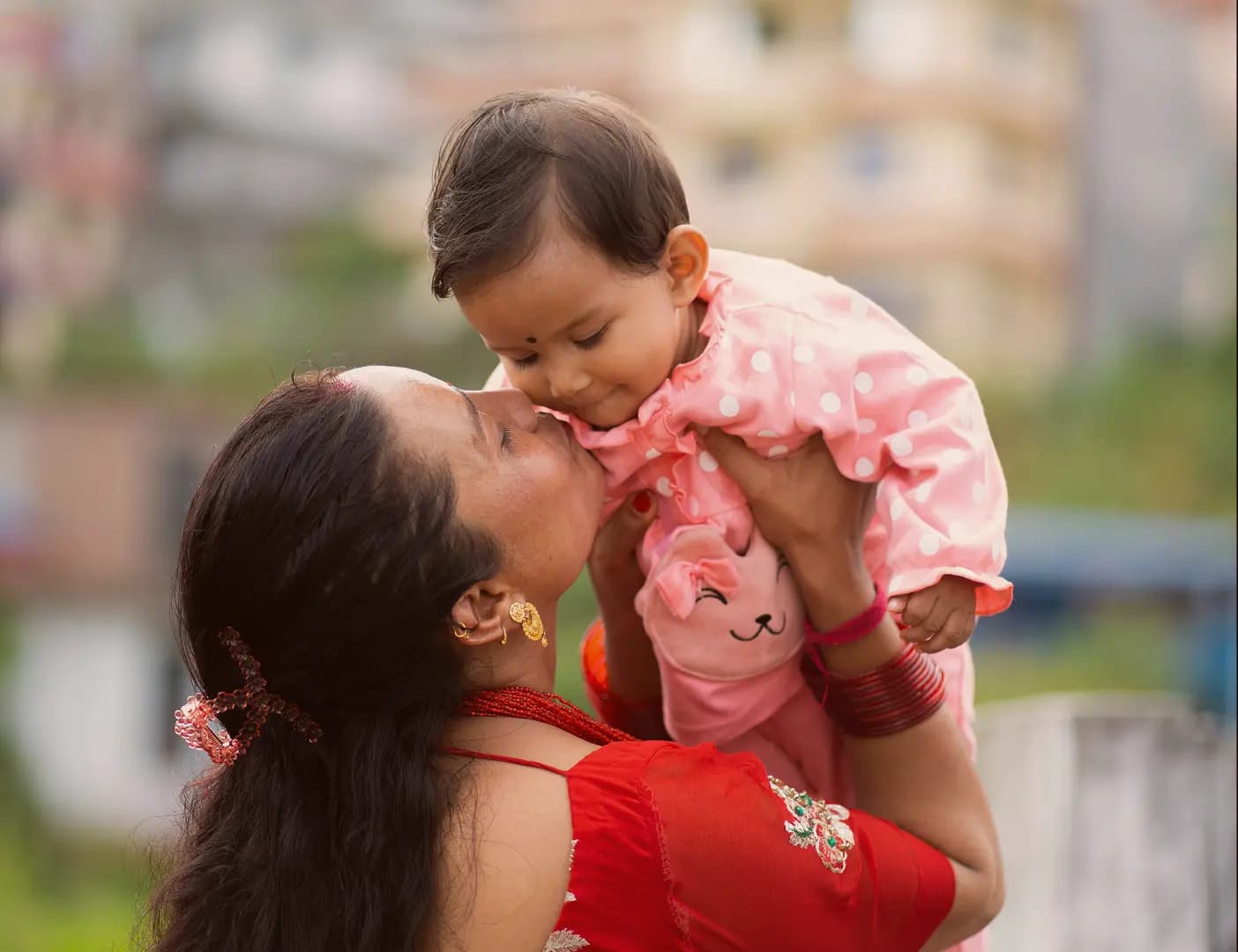
Supporting Children with Autism in the Early Years: A Developmental Approach
An autism diagnosis often brings clarity, but also uncertainty about what comes next. This article explores relationship-based approaches that work with a child's way of experiencing the world.
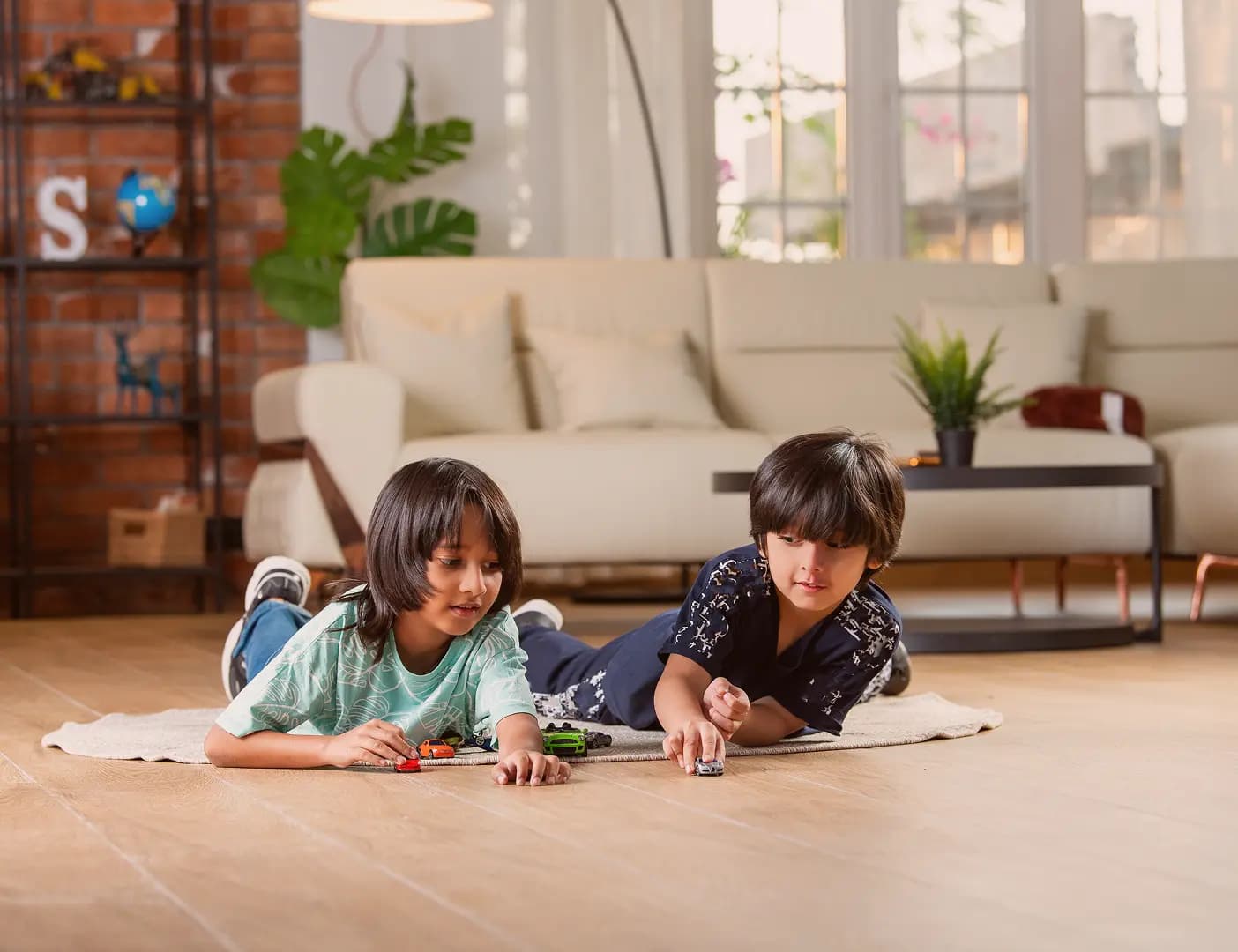
What to Know When Your Child's Communication Is Developing Differently
When a child is not speaking as expected, it can be difficult to know what to do next. This article explains why looking at connection, play, and engagement gives a clearer picture of how to help.


Nothing you did caused this. Noticing early is not overreacting. Know that early support can make a meaningful difference.
And we are here to help.





If you or someone you know is experiencing at-risk behaviors or safety concerns, or any other life-threatening extreme-case issues or critical mental health situation, contact a helpline or go to the nearest hospital or extreme-case support room. Having a close family member or friend with you for support can be invaluable during this time.
For extreme-case mental health support, please call the national Tele MANAS helpline at 1-800-891-4416.