



Evidence-Based Treatment to Support You Through Addiction
Amaha's Addiction Specialised Programme supports individuals and families facing cycles of indulgence and relapse across alcohol, drug, and behavioural addictions.
Understanding the Science of Addiction
Addiction can make you feel trapped in patterns that seem impossible to break, even when you want to stop. Understanding what's happening in your brain is the first step toward lasting recovery.
Many people believe quitting is only about motivation. In reality, once addiction develops, it becomes a clinical condition. It may begin with experimentation, stress, or family patterns. Over time, brain pathways change and the behaviour can escalate. What starts casually can become harder to regulate. Only a small minority are able to stop through willpower alone. Most people require structured psychological and sometimes medical support to either control or come off safely.
Clinically, dependence is identified when certain features are present consistently. These include:
- Strong cravings
- Needing increasing amounts for the same effect (tolerance)
- Withdrawal symptoms when reducing
- Continued use despite relationship, legal, or health consequences
- A narrowing of life around one substance or behaviour
When several of these are present over time, the pattern is usually more than episodic use. It becomes a harmful pattern that requires treatment.
Addiction can involve alcohol addiction, nicotine addiction, prescription medication addiction, cannabis addiction, opioids or stimulants addiction, caffeine addiction, and other drug addictions. It can also involve behaviours such as gambling addiction, gaming addiction, pornography addiction, shopping addiction, or constant online use. The common thread is not the substance itself. It is the repeated cycle of urge, temporary relief, and return, even when there are harmful consequences.
Most people don't wake up one day and stop forever. There is usually a phase where you don't see it as a problem. Then a phase where you start thinking about it. Then you decide to try to change your behaviour of use. You may do well for a while. And sometimes, you slip.
A slip is not the same as going back to where you started. If you return quickly to your plan, progress is not lost. What matters is not whether you slipped once, it's what you do next. Recovery often involves adjusting support, not blaming yourself.
It is natural to assume that if a medication was prescribed, it is safe to continue indefinitely. Some medicines, especially those that provide rapid relief for anxiety or sleep, and certain painkillers can become habit-forming when used long term without review. Staying informed and reviewing medications regularly is part of protecting your health.
Many people hesitate to seek help because they worry about being forced into something they are not ready for. Addiction care works best when it is voluntary and collaborative. Your goals guide the plan. Some people aim for complete abstinence. Others begin with reducing harm or regaining control.
Involuntary admission is considered only in situations of acute risk to self or others. Long-term recovery depends on choice, consent, and shared planning. You have the right to understand your options and decide what feels possible right now.
Addictions We Work With
Our programme supports individuals struggling with substance or behavioural addictions where patterns have become difficult to regulate over time.
Alcohol Addiction
Drinking may gradually become harder to control, continue despite impact on health, work, or relationships, and be difficult to reduce even when you intend to cut back.
Drug Addiction
Repeated use of drugs such as cannabis, amphetamines, or other substances can begin to affect mood, sleep, work, and relationships, even when you intend to limit it.
Prescription Medication Addiction
Prescribed medicines such as sedatives, painkillers, or cough syrups may begin as necessary treatment but can gradually increase in frequency and dose, becoming difficult to stop.
Opioid Addiction
Opioids, whether street-available or prescribed as tablets or injections, can lead to strong urges, withdrawal symptoms when reducing, and consistent use may progress into dependent patterns.

Stimulant Addiction
Stimulants such as cocaine or amphetamines may escalate over time, disrupt mood, sleep, and daily stability, and shift from recreational use to harmful or dependent patterns.
Nicotine Addiction
Smoking, oral tobacco, or vaping often continues despite repeated attempts to quit and clear awareness of health risks, and is among the most difficult addictions to stop.
Caffeine Dependence
High caffeine intake from coffee, tea, or energy drinks can feel essential for functioning and may cause headaches, fatigue, or irritability when reduced.

Behavioural Addictions
Gambling, gaming, sexual behaviour, excessive social media scrolling, or online shopping can follow a cycle of urge, temporary relief, and return despite consequences.
We follow 4 clear steps at Amaha's Addiction Programme, built to help you understand your care, make informed decisions, as you recover.
Get an Initial Assessment and Establish Shared Goals
You meet with our addiction-specialist, who maps your pattern of use, triggers, severity, and co-occurring concerns. Together, you define clear, shared goals that guide care.
Build a Plan That Matches Your Goals
Based on your assessment, we design a structured plan aligned with what you are ready for, whether that is reduction, abstinence, or stabilisation. We work with you at a pace that feels realistic, collaborative, and clinically guided.
Begin Evidence-Based Treatment and Stabilisation
Treatment may include psychological therapy, medication when indicated, coordinated medical care, and optional family or couples work to address relational strain. We support cravings, withdrawal, safety, and co-occurring concerns while restoring stability.
Maintain Your Recovery With Our Long-Term Guidance
We work with you to build a long-term strategy that includes adherence and relapse prevention planning. You learn to recognise early warning signs, respond to lapses quickly, and prevent them from becoming full relapses.


The Difference Our Care Makes
Over 700+ clients supported across mild to severe addiction, including harmful use, dependence, and repeated relapse patterns.
Motivational Enhancement Therapy (MET) builds confidence, while Contingency Management (CM) helps 30–40% achieve abstinence, outperforming standard care.
Couples and family-based behavioural therapies are linked to better abstinence outcomes and stronger relationship adjustment, supporting the role of family in sustained recovery.
Deep Transcranial Magnetic Stimulation (dTMS) has been shown in clinical trials to reduce substance cravings by around 60–65%, making it a powerful add-on in recovery.
Sources: (Pfund et al., 2022): https://doi.org/10.1016/j.jsat.2021.108556; (McCrady and Flanagan, 2021): https://doi.org/10.35946/arcr.v41.1.06; (Del Mauro et al., 2025): https://pubmed.ncbi.nlm.nih.gov/40204236/
Integrated, Evidence-Based Addiction Care Pathways
From diagnosis to sustained recovery, our structured approach combines evidence-based therapy, medication-assisted treatment, family involvement, and peer support to ensure every step is personalised, measurable, and aligned with your recovery goals.
Therapy-Focused Pathway (MET-Based)
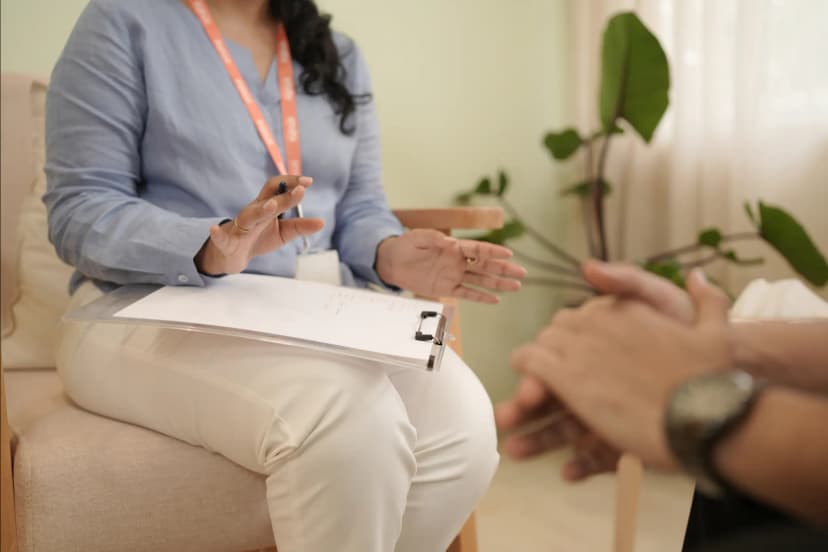
Structured Motivational Enhancement Therapy helps you move through the cycle of change at your pace, strengthen motivation, build new behaviour patterns, and involve family support when needed.
Why it helps
MET helps you step back and see clearly where you are in your addiction pattern. You map your use, notice its physical, mental, and social impact, and weigh the pros and cons of change. With collaborative, non-coercive support, you set goals and build a plan you can follow.
Who Benefits
Individuals with mild to moderate substance or behavioural addiction who are medically stable and ready to work actively on behavioural change.
Outcome
Progress is reviewed at 6–8 weeks to assess whether therapy alone is sufficient. Over time, the focus shifts to relapse prevention planning, adherence, and sustained recovery.

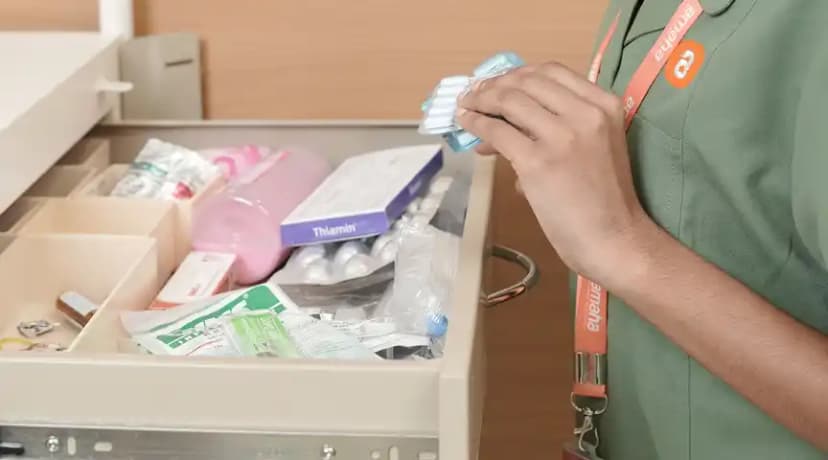

Integrated Care Pathway Therapy + Medication
This pathway combines therapy with psychiatric and medical care. It is suited for moderate to severe addiction, strong cravings, withdrawal, or repeated relapse that require structured stabilisation.
Why it helps
When addiction has disrupted sleep, mood, or regulation, medical treatment can stabilise the system first. Reducing withdrawal and craving intensity creates the stability needed for therapy to be effective and sustained.
Who Benefits
Individuals with moderate to severe substance addiction, repeated relapse, significant functional impact, or co-occurring mental health or physical health concerns that require medical support alongside therapy.
Outcome
Acute medical stabilisation often occurs within 7–14 days of starting medication. Ongoing medical care is tailored to individual needs. Post this, therapy focuses on rebuilding routines, relapse prevention, and sustaining recovery.
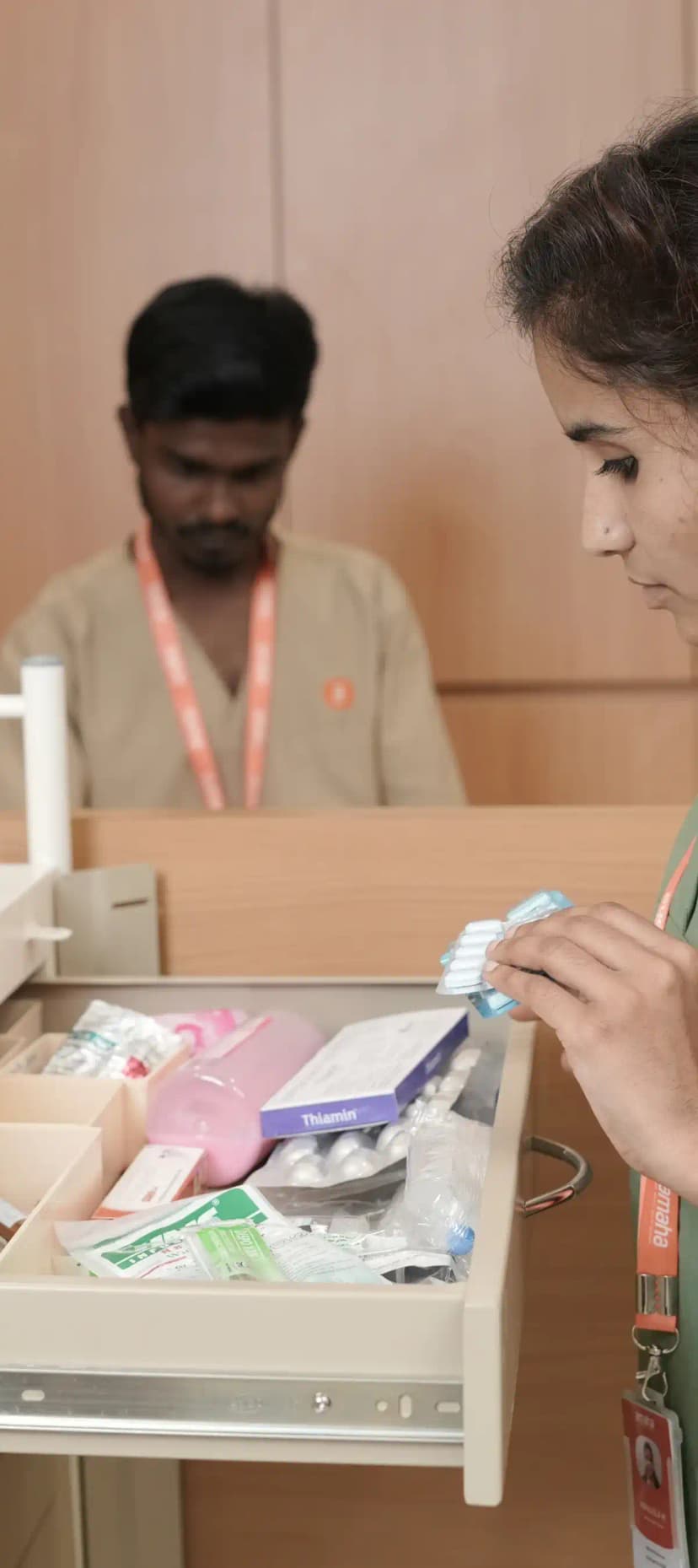
We Strengthen Treatment With Proven Add-On Interventions
Some individuals require more intensive or specialised interventions alongside the pathways above. These options are considered thoughtfully and only when clinically indicated.
Amaha Hospital
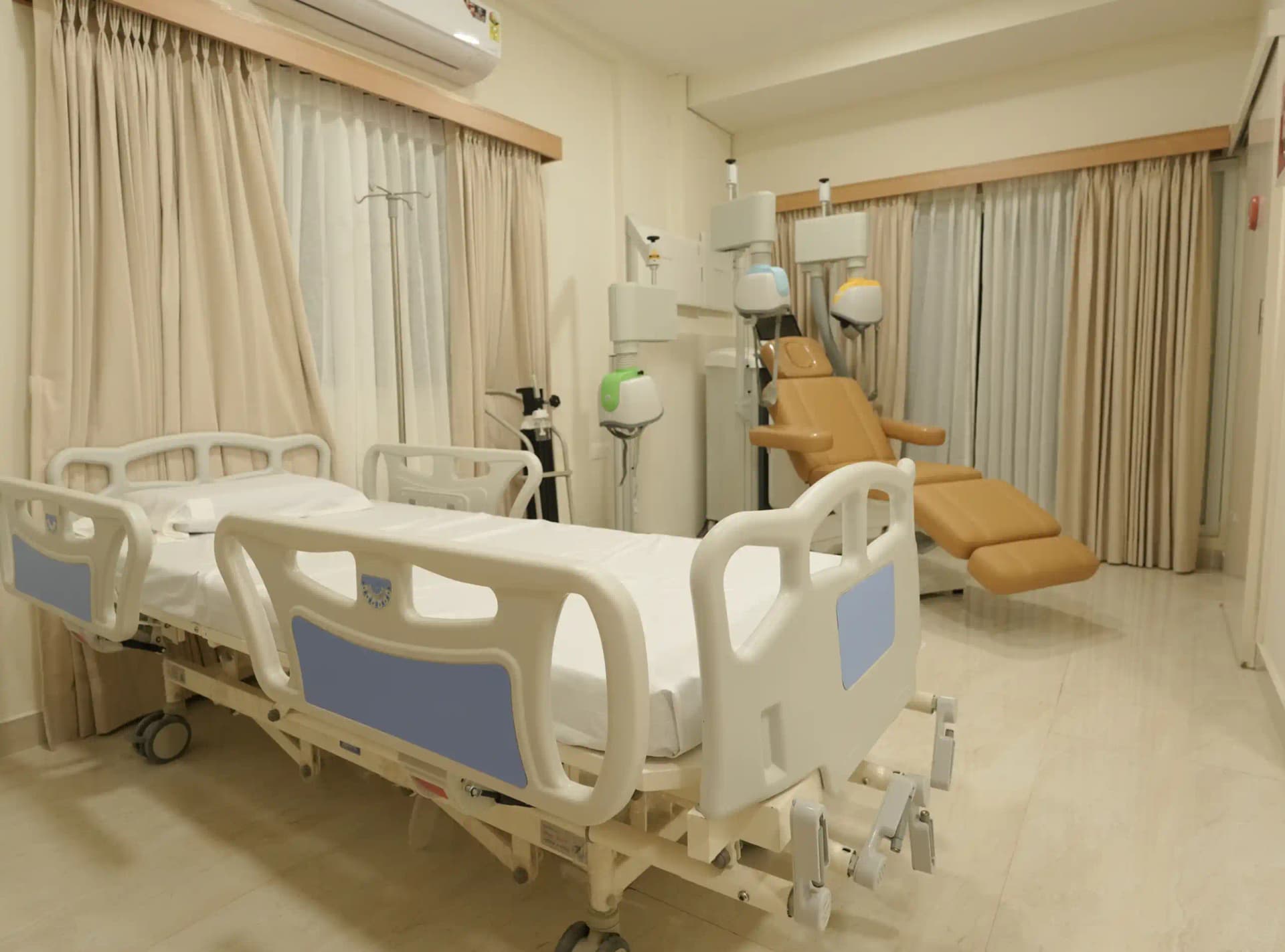
For severe or long-standing addiction, our inpatient centre offers safe, supervised detox and stabilisation. Care may be short or longer term, with medical monitoring, daily structure, and containment to help you break the cycle safely.
Family and Couples Therapy
Addiction affects relationships deeply. Family and couples work helps rebuild trust, reduce enabling patterns, strengthen boundaries, and create a stable support system aligned with your recovery goals.
Deep Transcranial Magnetic Stimulation (Deep TMS)
Deep TMS is offered for nicotine addiction. It works on specific brain pathways linked to craving and can make quitting easier when combined with counselling and structured behavioural support.
Integrated Medical and Mental Health Stabilisation
For medical concerns or co-occurring diagnoses, we coordinate with relevant specialists and integrate care so addiction, mental and physical health are stabilised together rather than in isolation.
Progress Is Measurable When Treatment Is Precise
From the first session, your care plan includes structured assessment and tracking tools that show how addiction patterns shift over time.

ASSIST
We use the Alcohol, Smoking and Substance Involvement Screening Test (ASSIST), a structured tool that assesses recent use, craving, difficulty reducing, and harmful impact, generating a clear baseline score to monitor severity and improvement over time.

AUDIT
Alcohol use is measured using the Alcohol Use Disorders Identification Test (AUDIT), a widely validated screening tool. It evaluates frequency, quantity, dependence indicators, and alcohol-related harm, generating a clear score to track risk and progress over time.

Functional Markers
Recovery isn't just abstinence. We track how you sleep, how you recover your appetite, your mental well being, your physical well being, manage work responsibilities, ensuring improvements translate to real-life functioning and well-being.
References: World Health Organization. (2010). The Alcohol, Smoking and Substance Involvement Screening Test (ASSIST): Manual for use in primary care. Geneva: World Health Organization; Saunders, J. B., Aasland, O. G., Babor, T. F., de la Fuente, J. R., & Grant, M. (1993). Development of the Alcohol Use Disorders Identification Test (AUDIT): WHO Collaborative Project on Early Detection of Persons with Harmful Alcohol Consumption--II. Addiction, 88(6), 791-804.


This Does Not Have to Define the Rest of Your Life
Addiction can change how your brain responds to stress and reward. With the right support, those patterns can shift. Let's begin by understanding what's happening and choosing the next step.
A Dedicated Addiction Team Built for Precision Care
Your care is supported by addiction-specialised therapists and psychiatrists across India, ensuring evidence-based treatment, consistency, and compassionate support throughout recovery.




Dr. Divya Nallur
Clinical Director | M.B.B.S, FRCPsych, CCT (Addiction Psychiatry) | 2000+ Clients with Addiction Treated
Dr. Nallur is a senior psychiatrist with over 17 years of experience in Addiction medicine and Adult ADHD. She holds a Certificate of Completion of Training (CCT) in Addiction Psychiatry from the United Kingdom and is a Fellow of the Royal College of Psychiatrists.
She led specialist addiction services across Wales and England for five years, delivering multidisciplinary, protocol-driven care for complex substance use disorders across inpatient, community, and prison NHS settings, supporting 2,000+ clients.
Since returning to India in 2014, she has focused on building evidence-based addiction services integrating outpatient and inpatient care, with strong emphasis on governance, safety, and measurable clinical outcomes.
20+ Specialists Coordinate Care Every Day
Beyond leadership, our dedicated team brings strong addiction and recovery expertise, offering the day-to-day support that strengthens your journey across cities under supervision.


Turning Struggle Into Strength
Our clients share the breakthroughs, big and small, that gave them freedom and renewed purpose. Each story shows how they rebuilt their lives, faced cravings, and found relief they hadn't thought possible.
Expert Insights and Real Stories
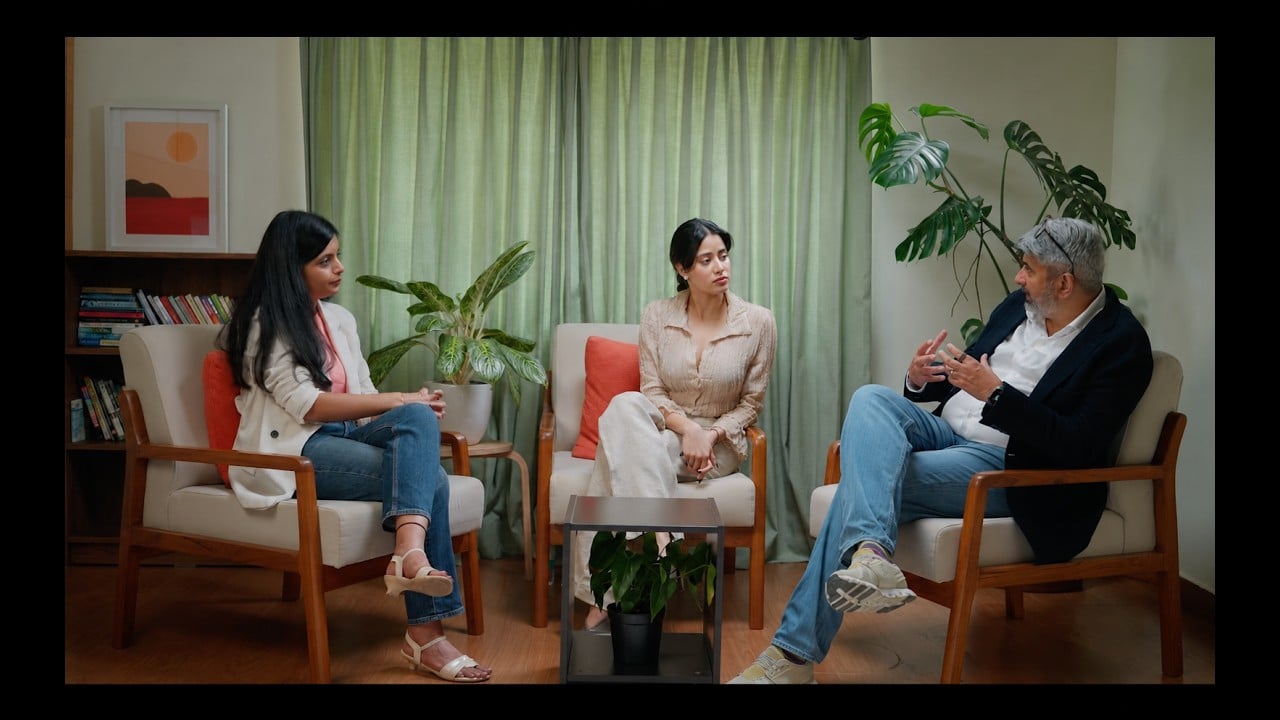
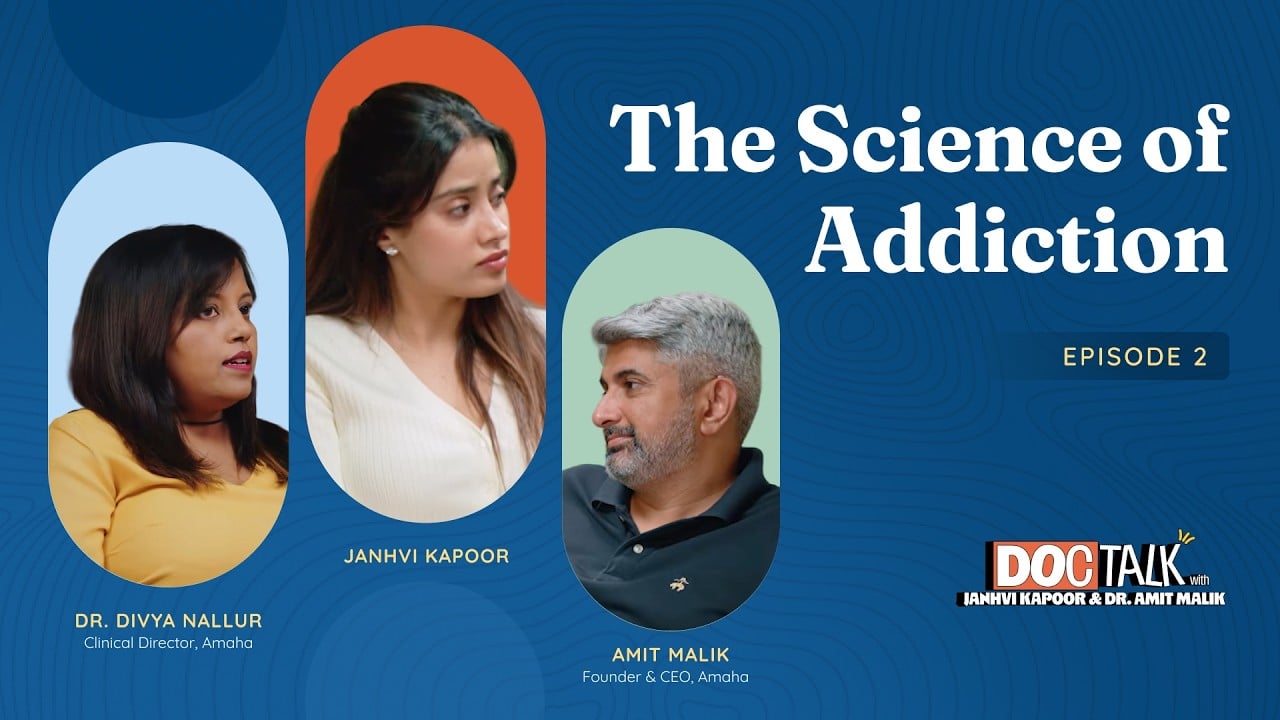
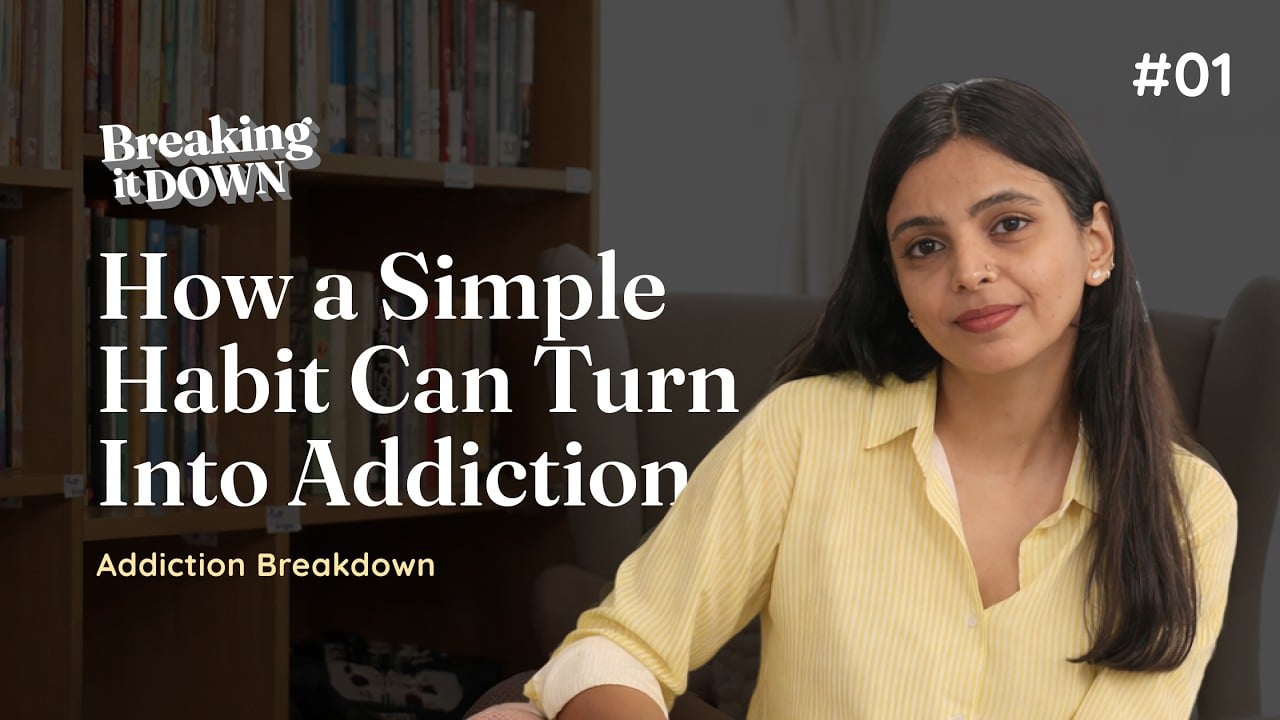
Whether you're trying to understand addiction, support someone you love, or navigate recovery yourself, these videos bring together practical guidance from our experts, real recovery stories, and science-backed insights.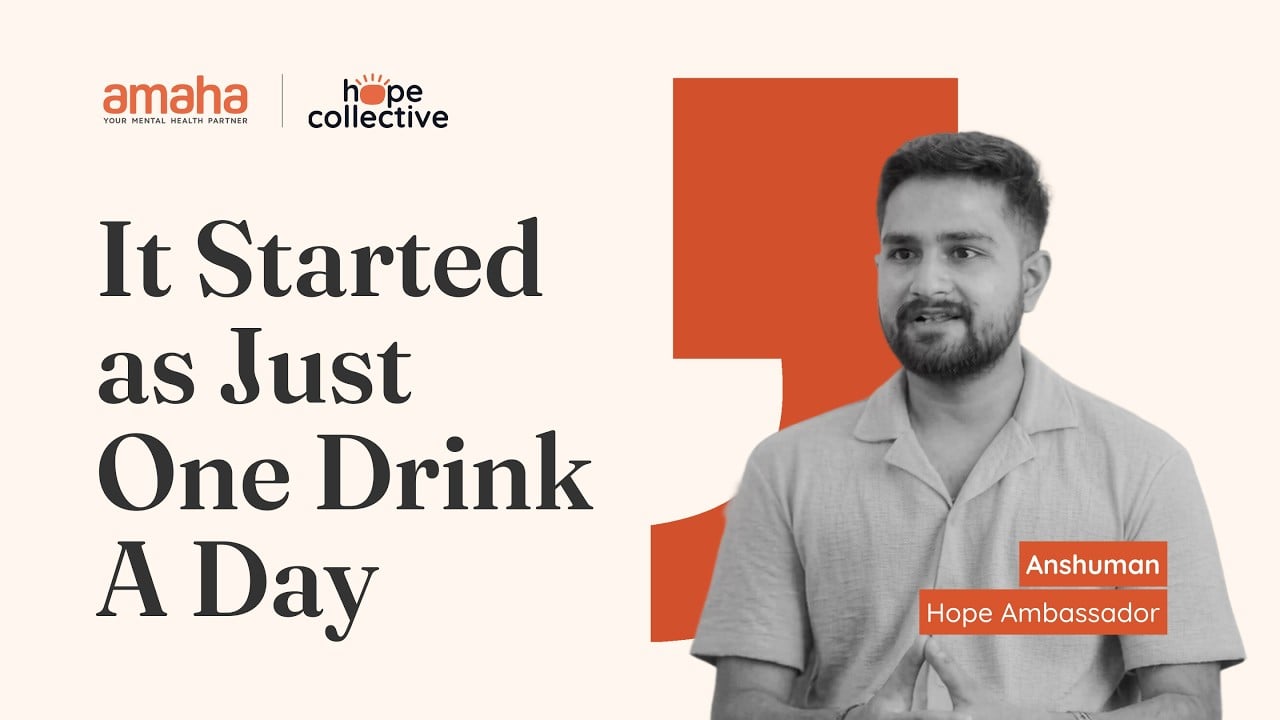
Questions We're Often Asked
From understanding addiction symptoms to how addiction treatment works and what long-term support looks like, we've put together responses to the questions clients and families ask most often.
If I come for treatment, will I be forced into anything?
No. Addiction treatment is voluntary and based on your agenda. You are given options and clear recommendations, but the plan proceeds only with your consent. Hospital care, if needed, is for medical safety and stabilisation, not punishment or coercion. Long-term recovery works best when you choose to engage.
Can addiction really be treated?
Yes. There is strong clinical evidence that structured, supportive care helps people move out of addiction. Many individuals go through the cycle of change more than once before achieving stable remission. Early changes are often seen within 6–8 weeks, while sustained recovery may take several months as new behavioural patterns stabilise.
If I come for an alcohol detox, will I be asked to stop consuming other substances too?
Treatment focuses on the goal you come in with. If your goal is alcohol abstinence, we work on alcohol de-addiction. Alcohol detox is recommended only when medically necessary, and it is discussed with you beforehand. You are not required to stop other behaviours unless you choose to address them.
Is stopping substances suddenly dangerous?
Stopping certain substances such as alcohol, benzodiazepines, or opioids suddenly and without medical supervision can be unsafe. Withdrawal may cause severe anxiety, tremors, seizures, sleep disturbance, or other medical complications. Under medical guidance, these risks are monitored and managed safely so the process is controlled and stable.
What if I lapse during treatment?
Lapse is common. A lapse means a brief return to use and does not erase the progress you have made. A relapse, in contrast, is a sustained return to old patterns. The key is to address it early, understand what triggered it, and get back on track before it becomes a prolonged relapse.
Can I be admitted against my will?
In most cases, adults cannot be admitted without consent unless there is acute risk to self or others. Forced admission may temporarily stop use, but recovery is more sustainable when the individual is willing to engage in long-term treatment.
What is substance addiction and how is it treated?
Substance addiction is a medical condition where alcohol or drug use becomes difficult to regulate over time. Symptoms can include cravings, tolerance, withdrawal, and continued use despite consequences. Substance addiction treatment starts with an assessment and may include therapy, medication support, family involvement, and relapse prevention planning.
What are the early signs of alcohol addiction I should watch for?
Early alcohol addiction symptoms often begin subtly. You may notice drinking becoming harder to control, needing alcohol to manage stress or sleep, or continuing despite health or relationship impact. Increased tolerance, strong urges, or shakiness when you haven't had a drink can signal a developing pattern and can benefit from an assessment.
Information and Support to Navigate Addiction
We build our resources the way we build our care. It's grounded in science, shaped by what people actually experience.
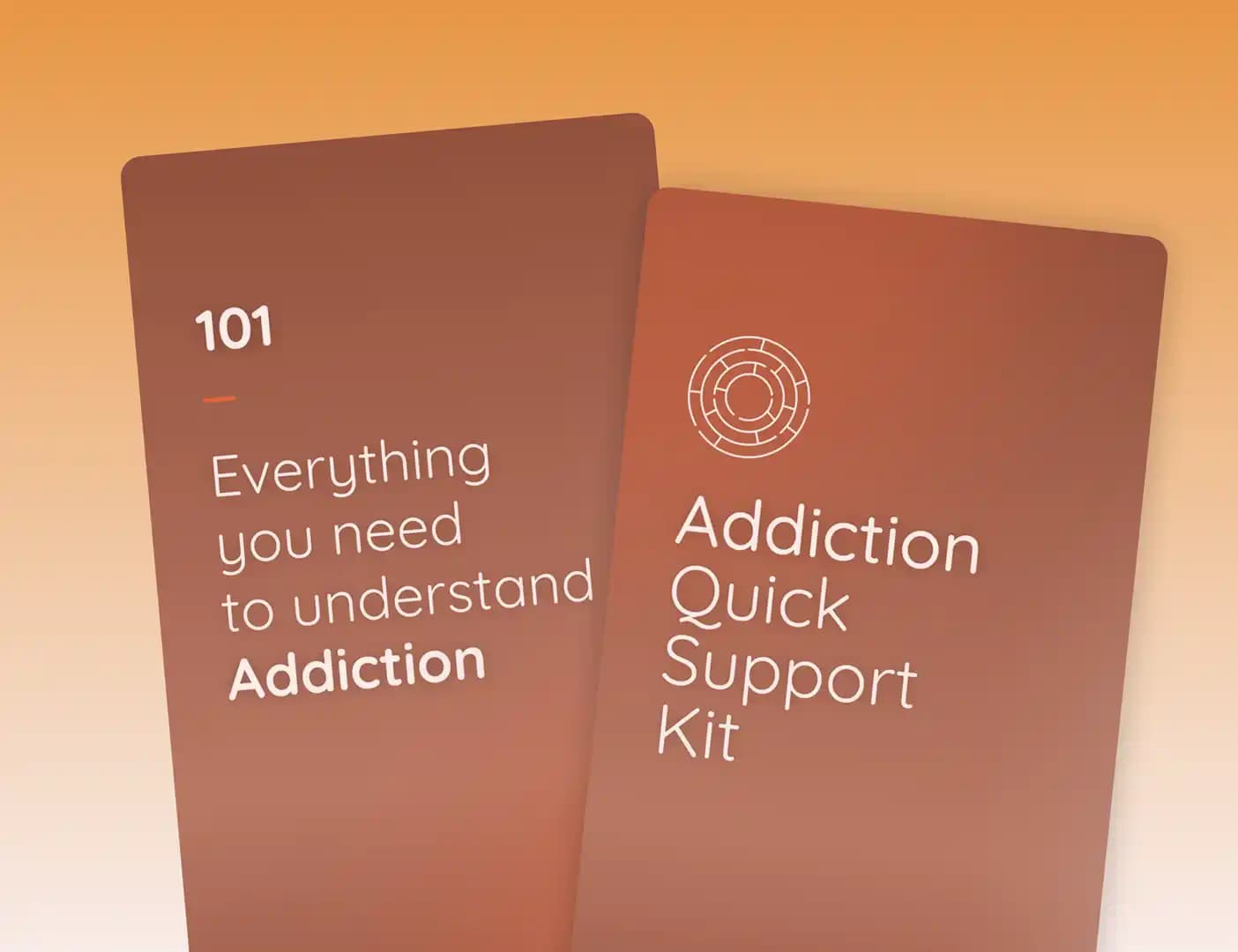
Addiction Support Kit: 101 and Quick Support Tools
This Support Kit includes two resources: one for understanding addiction and how dependence develops over time, and another with practical tools for managing cravings, tracking patterns, and staying steady in difficult moments.

How Severe Is My Substance Use?
When substance use or behaviours start interfering with your daily life, relationships, or physical health, it can be a sign of addiction. This self-assessment helps you understand if your pattern of use shows signs of addiction.
How Psychiatrists Treat Alcohol Dependence
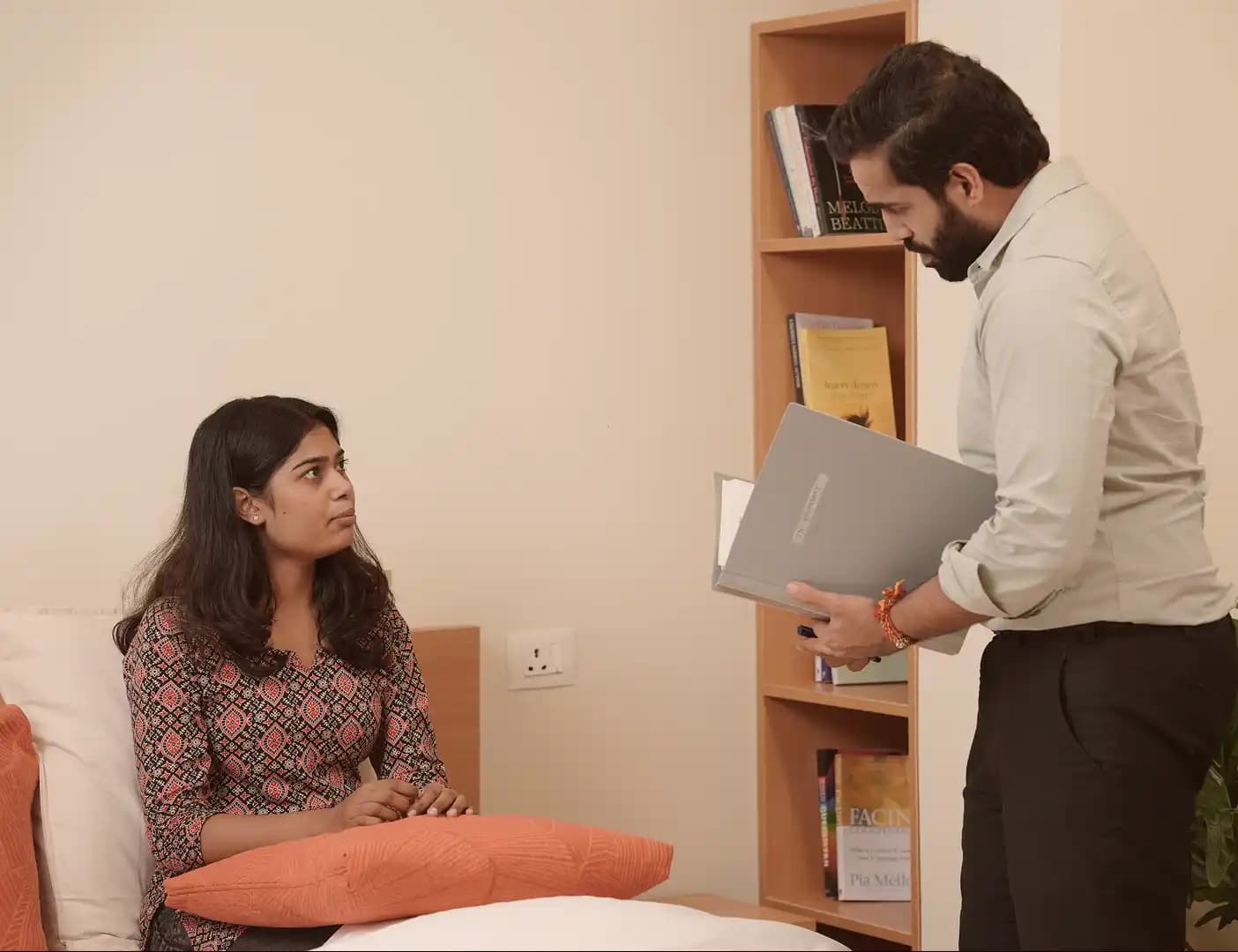
Alcohol dependence typically requires structured medical treatment. This article explains how psychiatrists assess use patterns, manage withdrawal, and use a combination of medication and therapy to support recovery.

Prescription Drug Addiction
Prescribed medications can shift from therapeutic use to dependence without clear markers. This article explains how that pattern develops and what physical risks emerge. It covers the signs that indicate misuse and what evidence-based treatment typically involves.

Benefits of Support Groups and Peer Networks in Addiction Recovery
This article explains how group connection works alongside clinical treatment, what benefits are typically documented, and how shared experience can support sustained change.


Addiction is not a lack of willpower. It is not just a bad habit. It is a medical condition that can be treated.
And we are here to help.





If you or someone you know is experiencing at-risk behaviors or safety concerns, or any other life-threatening extreme-case issues or critical mental health situation, contact a helpline or go to the nearest hospital or extreme-case support room. Having a close family member or friend with you for support can be invaluable during this time.
For extreme-case mental health support, please call the national Tele MANAS helpline at 1-800-891-4416.