

Work through it together,
with couples therapy at Amaha
Find a structured, neutral space where a trained couples therapist supports you through conversations that matter, understand each other better, and feel closer.



600+ couples
began their journey this year
1.3k+
Couples on Amaha
33
Certified couples therapist
4.8

Average therapist rating
Some seasons in a relationship
are harder than others.
Couples therapy at Amaha
can help you with:
Communication issues
Frequent conflicts
Emotional distance
Intimacy challenges
Different communication styles
Unresolved past issues
Difficulty managing disagreements
Avoidance patterns
Infidelity concerns
Our Approach
Why couples therapy works better at Amaha
A space built from the ground up for couples, not just individual therapy adapted for two.
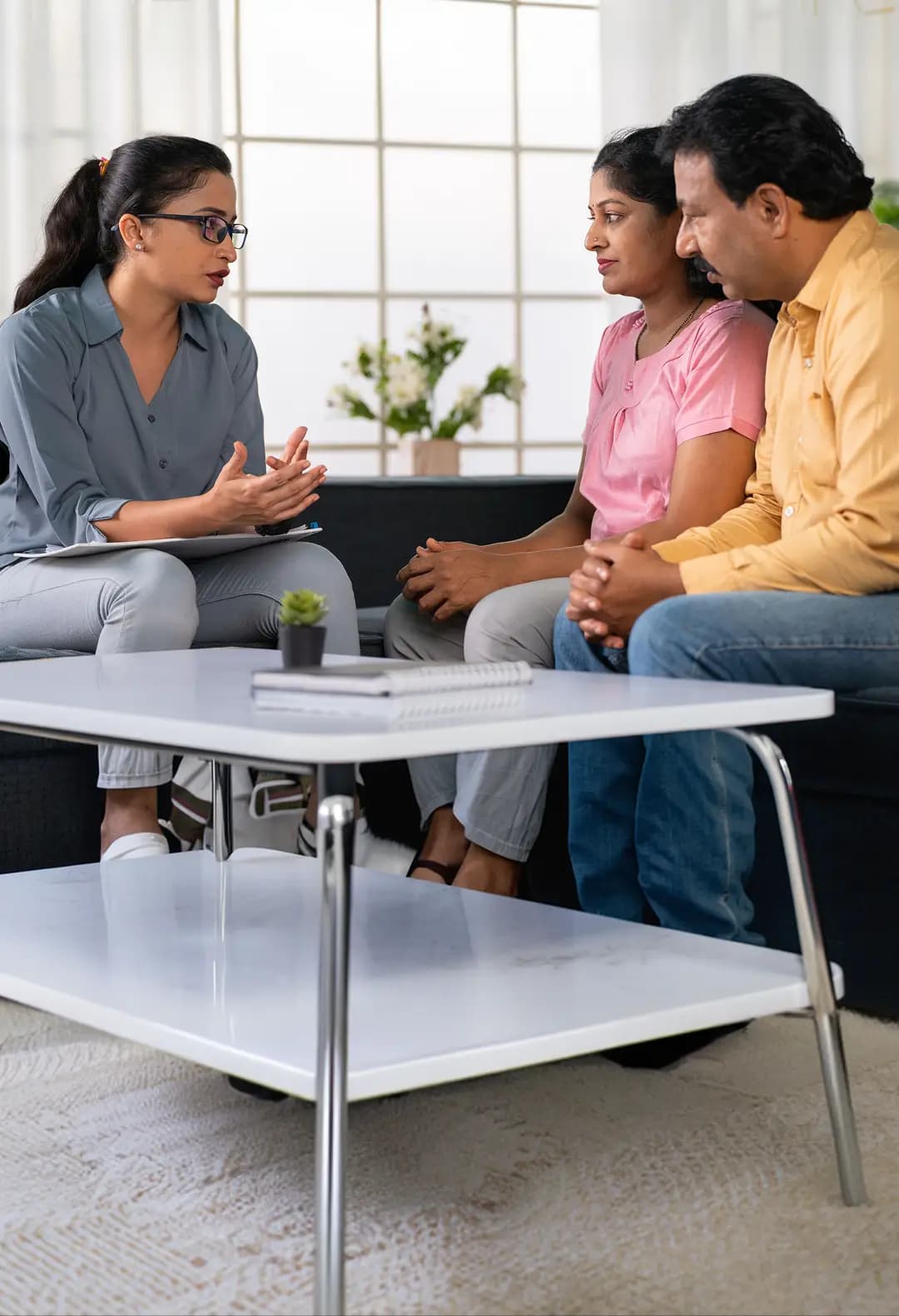
Therapists trained in couples work, not just therapy
Our couples therapists understand relational dynamics and communication cycles.

Goal-oriented, not just a place to vent
From the first session, your therapist works with you both to define what you're working towards: better communication, conflict de-escalation, or rebuilding intimacy.
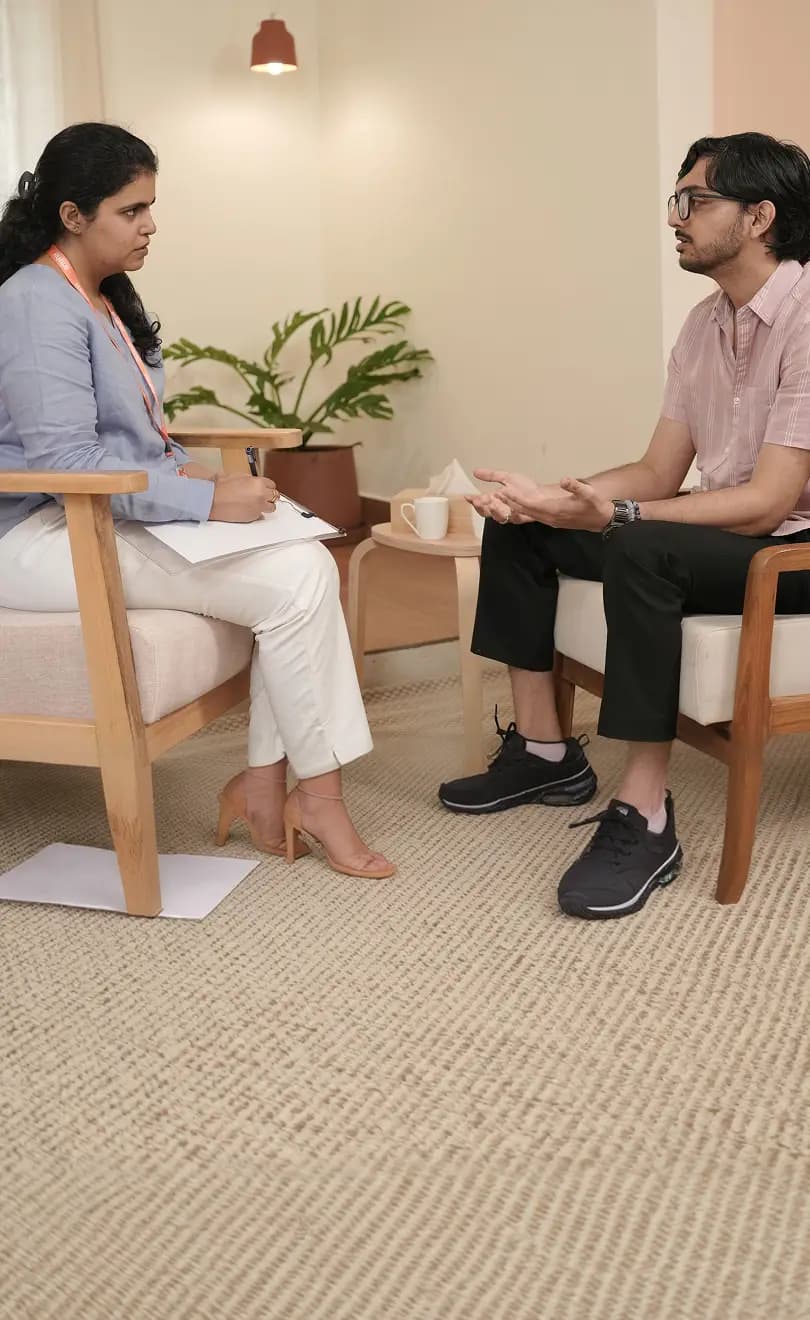
Individual support alongside couples work
You can access individual therapy alongside couples sessions, so both the relationship and the people in it get the support they need.
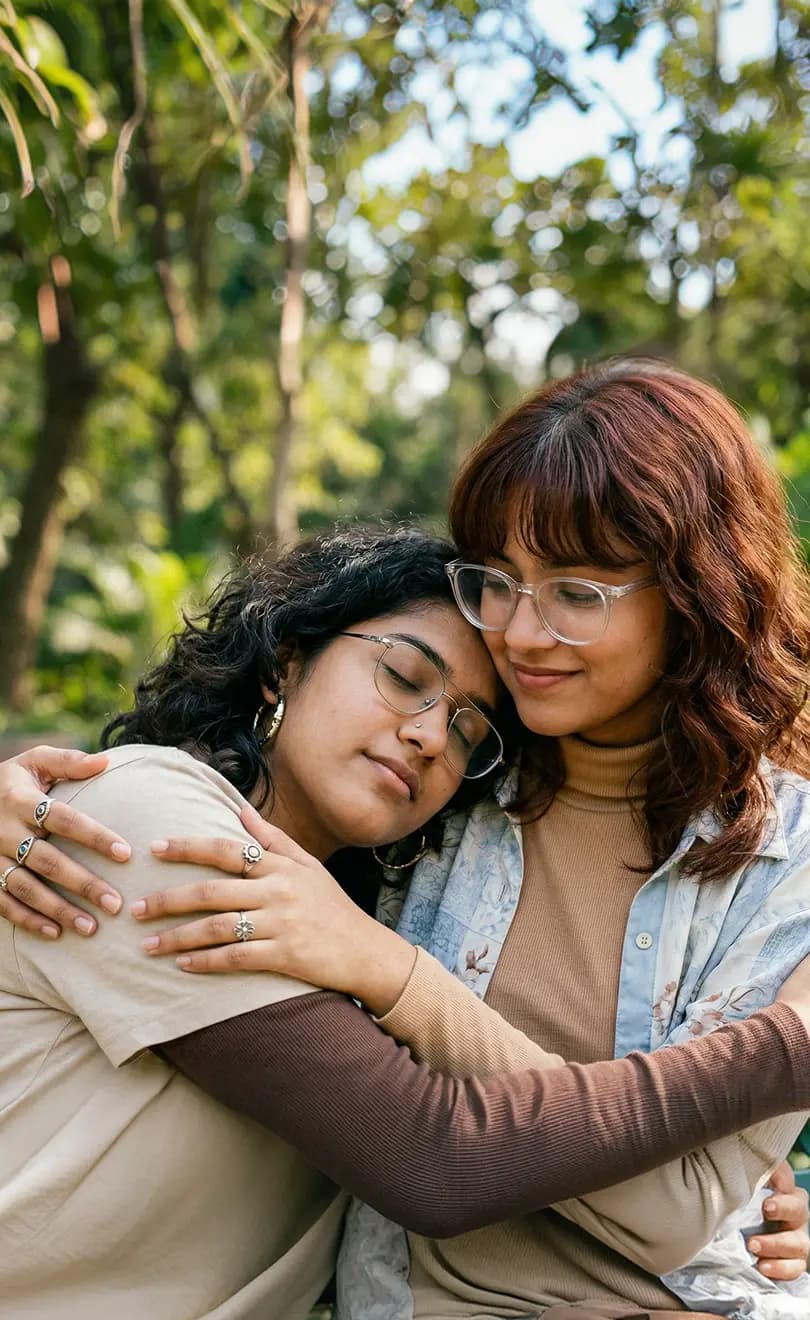
Inclusive, without exception
Amaha provides therapy to all couples regardless of gender, sexuality, religion, or background.
How it works
How couples therapy at Amaha works,
for both of you
Couples therapy is a space where both of you are heard and challenged,
with a therapist who helps you understand the cycle you're caught in and how to change it.
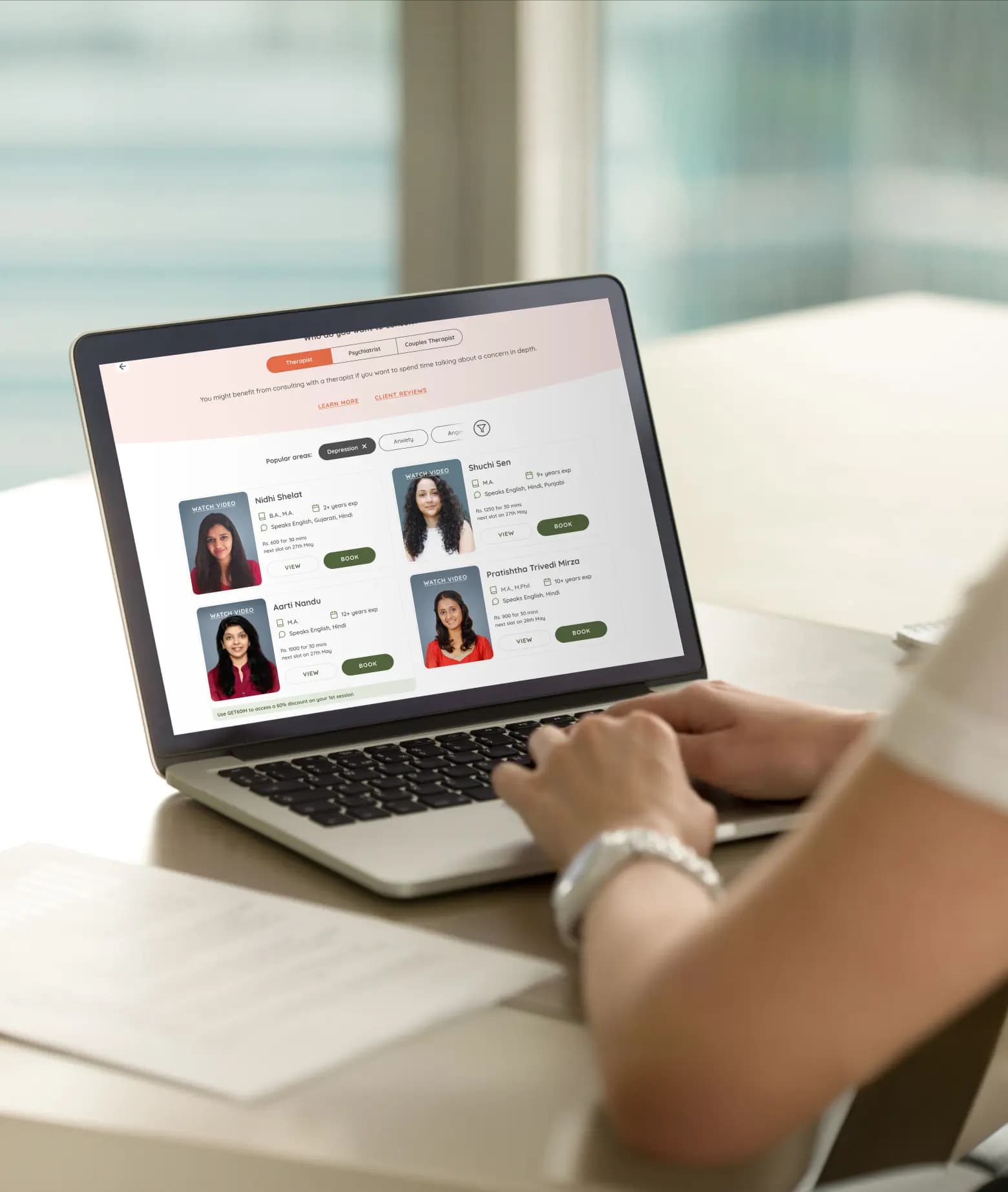
Choose your therapist together
Browse therapists and pick someone you both feel comfortable with. The right fit matters for both of you.
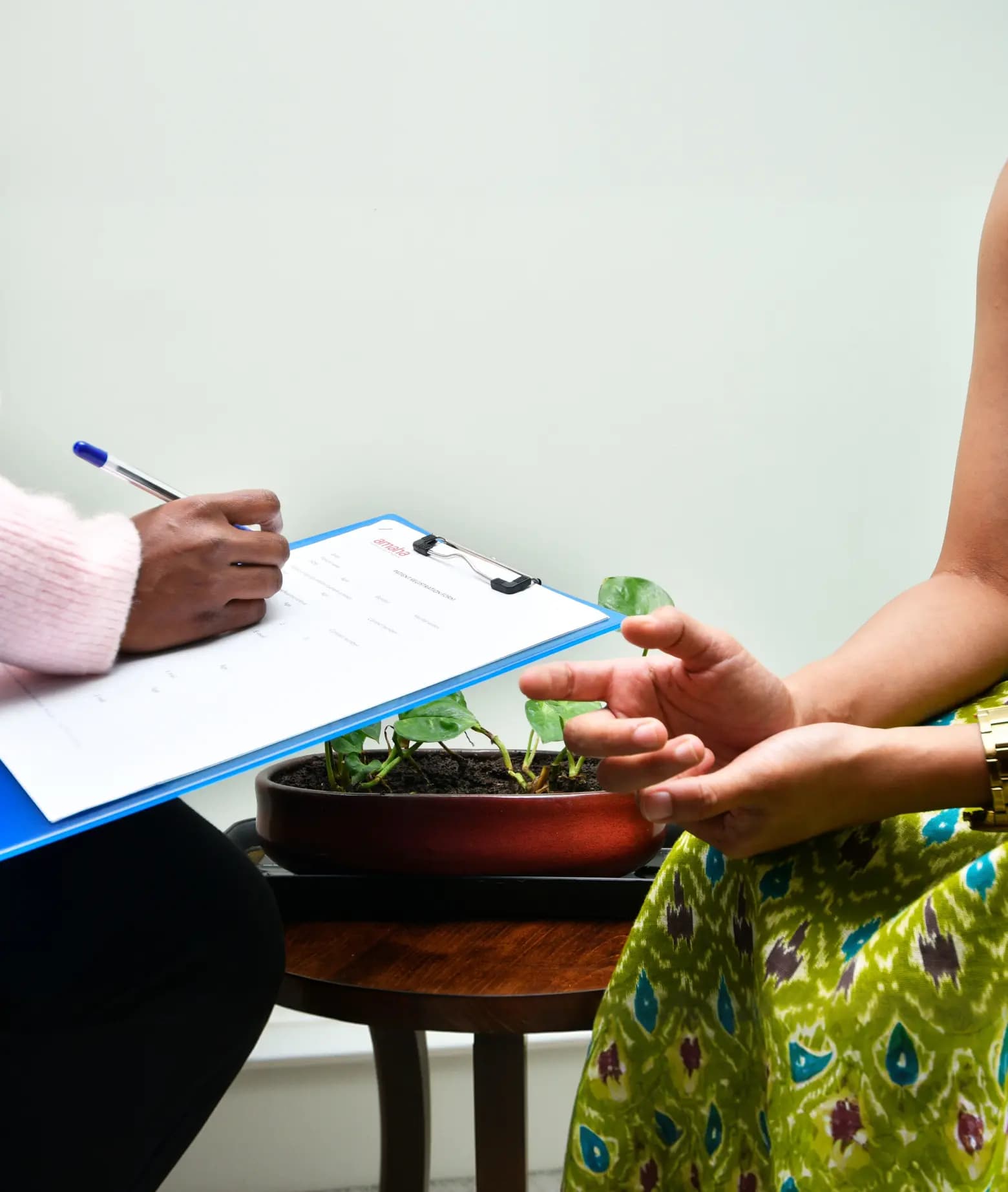
Tell us about your relationship
An initial assessment before you begin helps us understand where you both are, the patterns, the friction, and what you're hoping for.
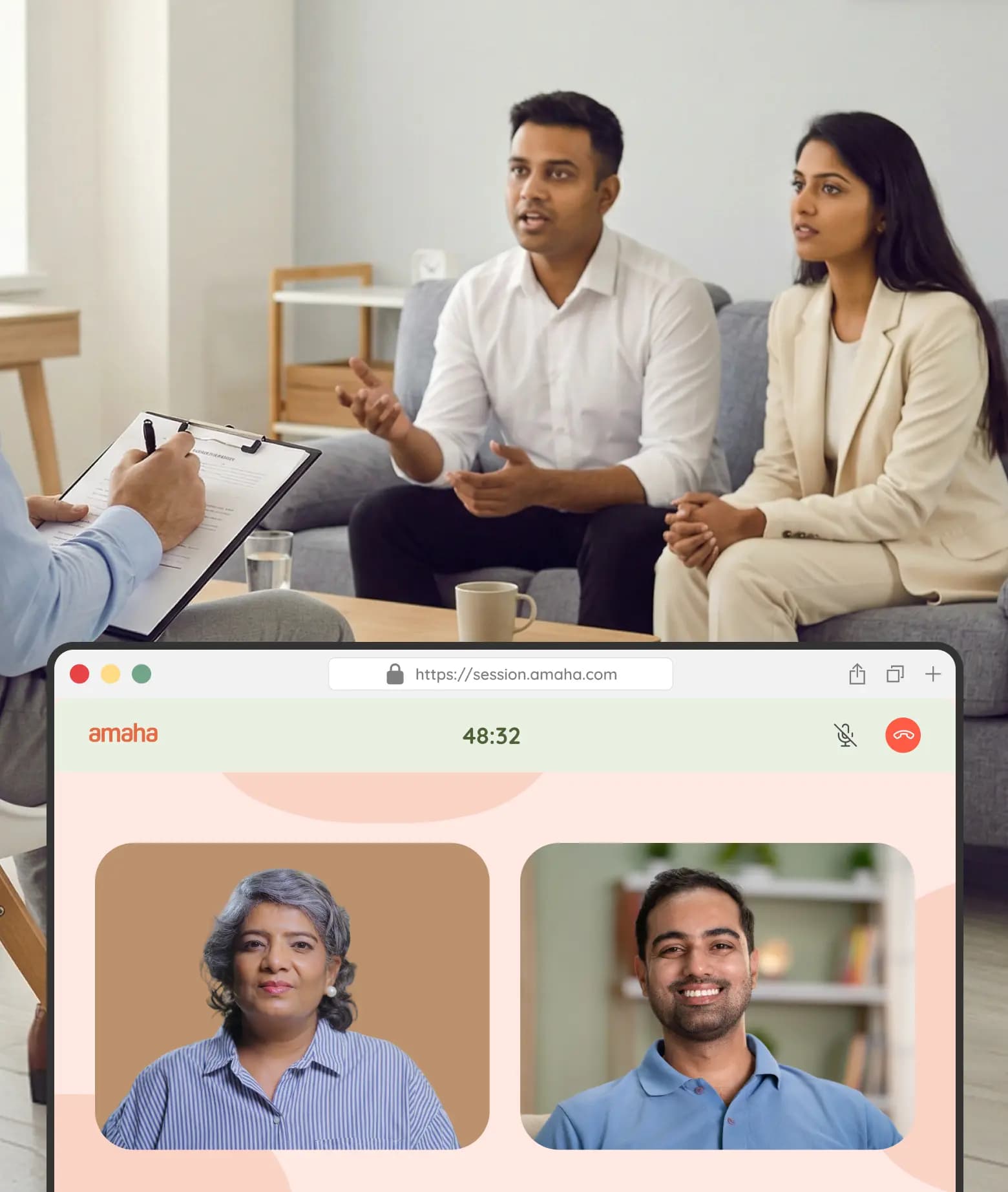
Come in, together
Your first session is a conversation, a chance to be in the same room, speak honestly, and start to see each other a little more clearly.
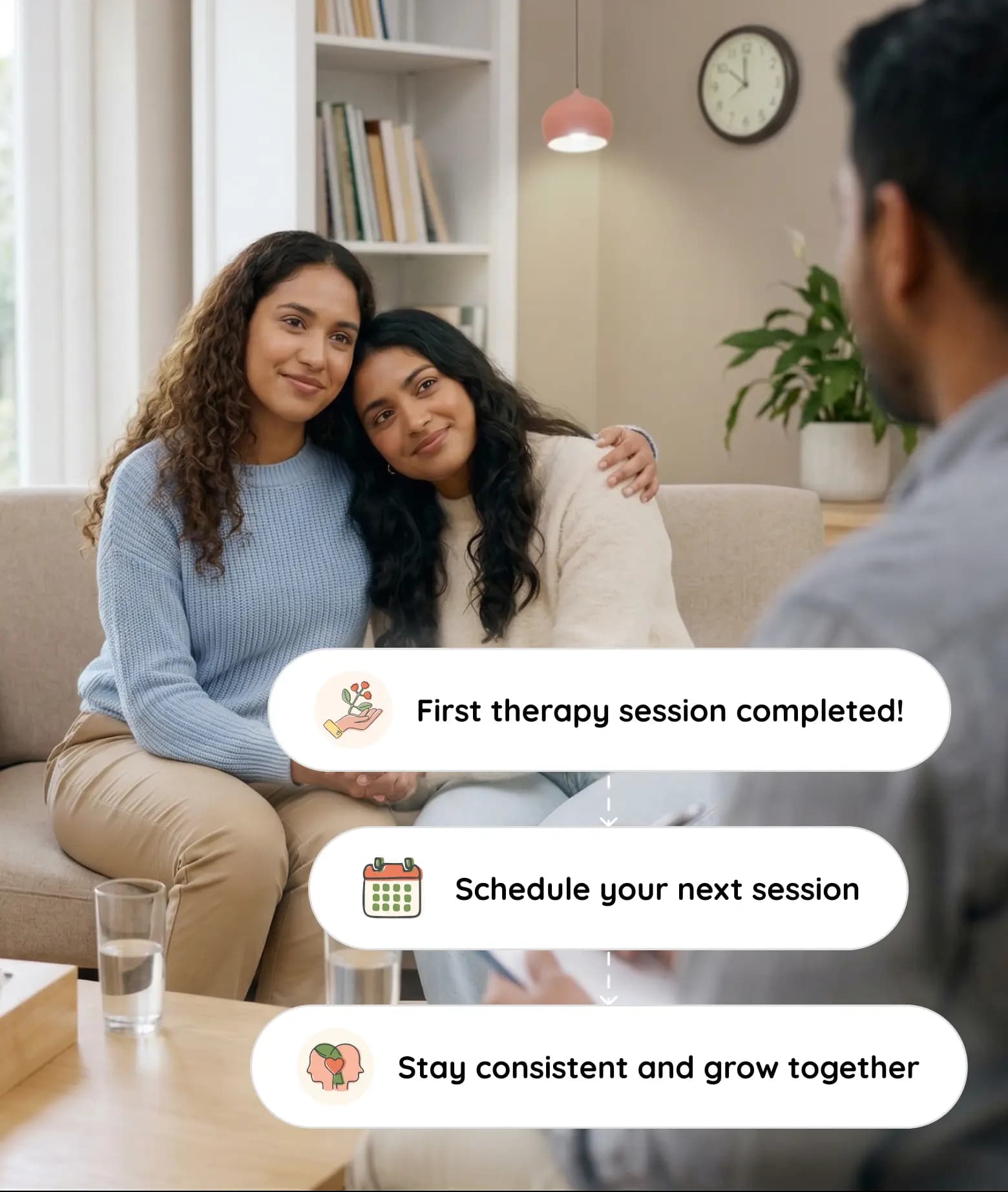
Keep showing up
Session by session, you'll build new ways to communicate, de-escalate, and actually feel like a team again.
Our Specialists
Meet Your Couples Therapists


Privacy and Confidentiality
What's said here, stays here and stays safe
Couples therapy works best when both partners feel safe enough to be honest. At Amaha, your personal space is always separate from your shared couples space.

Personal conversations stay personal
Only your couples sessions are shared. Any individual conversations with your therapist remain completely confidential.

Your session history is always secure
Session records are stored safely, even if accounts are de-linked. Nothing is ever lost or exposed.

HIPAA-aligned data practices
Amaha is fully compliant with both GDPR and HIPAA standards so your health information is treated with the highest standards of confidentiality and data security.
Real Stories
Couples who found
a way through
“Honestly, we came into therapy not even sure we could fix things. Arpitha ma'am gave us a space where we didn't have to pretend everything was okay and that made all the difference. We went from barely being able to talk without it turning into an argument, to actually hearing each other. It wasn't easy, but the progress has been real.”
- Vishal
“We were at a point where conversations would either shut down or blow up. Suha ma'am helped us slow down and actually understand what was going wrong between us. The sessions weren't always comfortable, but they were honest and that's exactly what we needed. We've come a long way from where we started.”
- Akriti
“In our couple's therapy sessions with Asma ma'am, we experienced a safe and supportive environment that helped us to move from struggling to communicate to engaging in meaningful conversations. The sessions helped us make steady progress and work toward achieving our goals.”
- Suresh
“We walked into DV's sessions carrying a lot frustration, distance, things left unsaid for too long. What we didn't expect was how quickly we'd feel safe enough to actually say them. It was hard work, but session by session, something shifted. We communicate differently now, and that's not a small thing.”
- Madhuri
Couples therapy v/s individual therapy
Not sure what kind of support you need?
Sometimes it's hard to tell whether what you're feeling is about the relationship or about you.
Couples therapy might be right for you if:

You keep having the same fights without ever fully resolving them.
There's a growing distance between you and your partner (emotional, physical, or both).
You love each other, but can't seem to communicate without it escalating.
You're navigating a big life change together like marriage, families, a major conflict and want support doing it well.
Individual therapy might be right for you if:

You're dealing with anxiety, past trauma, or emotional patterns that show up regardless of who you're with.
You want to understand yourself better before working on the relationship.
Your partner isn't ready to come for therapy yet, but you want to start somewhere.
The struggle feels more internal than interpersonal.
Reach out to us
Have questions? We'd love to help
Whether you have a quick question or want help figuring out what kind of care is right for you, we're here to talk.

Book a free call with our coach
Connect with our Care Team
Frequently asked questions
Your questions about couples therapy,
answered
What topics are typically addressed in couples therapy?
Couples come to therapy for communication that keeps breaking down, conflicts that never fully resolve, emotional or physical distance, trust issues, differing expectations, and navigating big life transitions like marriage, having children, or career changes.
Can couples therapy help with infidelity?
Yes. Infidelity is one of the most painful things a relationship can go through, but it doesn't automatically mean the relationship is over. Therapy can help both partners process what happened, understand the dynamics that led to it, and decide together what they want to do next.
What should I expect during the first couples therapy sessions?
The first session is mostly a conversation where your therapist will want to understand both of your perspectives, what's been happening, and what you're hoping to get out of therapy.
Is couples therapy only for relationships in crisis?
Not at all. While some couples come in at a breaking point, many start therapy while things are still mostly okay; they've just noticed patterns they want to address before they get worse. Pre-marital counselling, navigating a big transition, or simply wanting to communicate better are all equally valid reasons to start.
How can I find a qualified couples therapist?
At Amaha, all our therapists working with couples are specifically trained in relationship and couples therapy, not just general counselling. You can browse therapist profiles, read about their approach and experience, and choose someone both you and your partner feel comfortable with.
Are there any specific techniques used in couples therapy?
Yes, couples therapy draws on structured, evidence-based approaches. Your therapist might work on communication patterns, conflict de-escalation strategies, understanding each other's emotional triggers, or exploring the underlying dynamics driving recurring issues.
Can therapy help with communication issues?
This is one of the most common reasons couples come to therapy, and one of the areas where it makes the most tangible difference. Therapy helps you understand not just what you're saying to each other, but how and why certain conversations keep going wrong.
What if one partner doesn't want to go to therapy?
It's very common for one partner to be more ready than the other. If your partner is hesitant, start by sharing what couples therapy actually involves. Many people expect it to feel like being put on trial, and that's not what it is. Sometimes agreeing to just one session, with no pressure to continue, is enough to get started. And if they're still not ready, individual therapy can be a valuable place to begin on your own.
How long does couples therapy typically last?
It depends on what you're working on and how consistently you engage. Some couples reach their goals in 8–12 sessions. Others work with a therapist for longer, especially when trust, intimacy, or deep-rooted patterns are involved.