

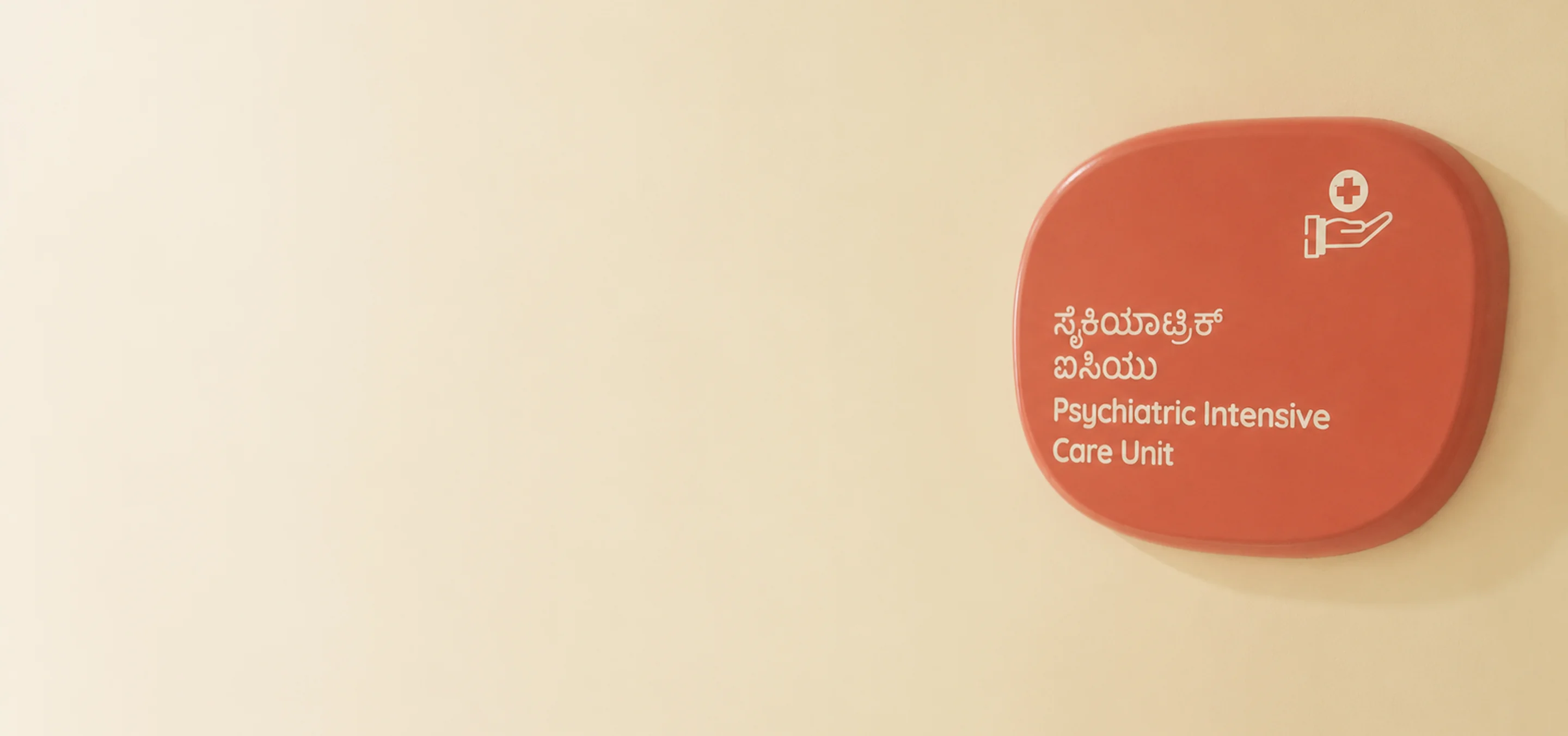
Psychiatric Intensive Care Unit in Bangalore
When someone needs more than what a general ward can offer, a Psychiatric Intensive Care Unit (PICU) is a secure, clinically supported, medically equipped environment to help them through the most acute phase of their illness.
For any admission related queries, reach out to us and we’ll call you back within 24 hours.
Need guidance or have an emergency?

• Short-term, intensive
• Secure environment
• Higher acuity patients
What is a Psychiatric Intensive Care Unit (PICU)?
A Psychiatric Intensive Care Unit (PICU) provides short-term, intensive psychiatric care for individuals whose needs cannot be safely managed in a standard inpatient setting. It is designed for adults experiencing a severe and acute episode of mental illness, often during a period of significant risk to themselves or others.
How is a Psychiatric Intensive Care Unit (PICU) different from an routine psychiatric ward?
The key differences lie in the level of security, intensity of clinical input, and the acuity of patients being supported.
PICU:
Secure, restricted access
Close and frequent observation
Managed visits and movement
Acute, high-risk presentations
Short-term stabilisation focus
Routine psychiatric ward:
Supervised time outside
Greater freedom of movement
Standard staffing levels
For more stable presentations
Longer-term admission possible
What conditions are managed at the Psychiatric Intensive Care Unit (PICU) in Bangalore?
A wide range of acute psychiatric presentations are managed in a PICU.
Admission is based on clinical risk and the need for intensive intervention.
Psychotic disorders
Schizophrenia, schizoaffective disorder, drug-induced psychosis with severe agitation.
Bipolar disorder
Severe manic or mixed episodes with psychosis that require intensive monitoring and stabilisation.
Severe depression
High immediate risk of self-harm, suicide, or inability to self-care.
Personality disorders
Acute crisis involving self-harm, suicidal ideation, or extreme emotional dysregulation.
Substance-related
Acute intoxication or withdrawal with accompanying psychiatric complications.
Why the Psychiatric Intensive Care Unit (PICU) makes a difference during a crisis?
Immediate safetyA secure environment that reduces risk during the most volatile period of illness.
Rapid stabilisationFocused pharmacological and therapeutic input to control acute symptoms quickly.
Reduced stimulationA calm, controlled environment that minimises symptom-worsening triggers.
Intensive clinical supportChanges in mental state are identified and acted upon quickly.
A bridge to ongoing carePICU stabilises the patient so they can safely move forward into less intensive treatment.
Individualised care planningTreatment tailored to each person's presentation, history, and recovery goals.
Immediate safetyA secure environment that reduces risk during the most volatile period of illness.
Intensive clinical supportChanges in mental state are identified and acted upon quickly.
Rapid stabilisationFocused pharmacological and therapeutic input to control acute symptoms quickly.
A bridge to ongoing carePICU stabilises the patient so they can safely move forward into less intensive treatment.
Reduced stimulationA calm, controlled environment that minimises symptom-worsening triggers.
Individualised care planningTreatment tailored to each person's presentation, history, and recovery goals.
What treatment and therapies are available at Amaha’s Psychiatric Intensive Care Unit (PICU) in Bangalore?
Treatment is multidisciplinary and personalised.While stabilisation is the immediate focus, the approach extends well beyond medication.
Pharmacological treatmentPsychiatrists work with patients and families to find the most effective medication regimen, adjusting as the presentation evolves.
Advanced InterventionsWhen recovery needs a little more science. Deep TMS, Ketamine Therapy, ECT are available and delivered by trained specialists.
One-to-one nursing supportConsistent therapeutic relationships with named nurses offering regular review and emotional support.
Family and carer involvementRegular communication and involvement in care planning to support recovery and discharge planning.
Worried about someone? Here's what to doWhen someone's behaviour shifts suddenly or significantly, it can feel difficult to know where to start. These steps can help you act with clarity, even in a stressful moment.
1
2
3
4
1
Notice and name what’s happening
Confusion, agitation, withdrawal, paranoia, or behaviour that feels out of character are all worth taking seriously. 2
Speak to a psychiatrist
If the person is already known to mental health services, contact their care team directly. They can assess whether the current care setting is still appropriate and act quickly if not. 3
Reach out to Amaha
If you’re unsure what level of care is needed, our team can help you understand your options. You don’t need to arrive with all the answers. 4
In an emergency, call for immediate help
If the person is at immediate risk of harming themselves or others, call 112 or go to the nearest emergency department. Having a trusted family member or friend present can make a real difference.Led by specialists in acute psychiatric careAmaha Mental Health Hospital's PICU is led by psychiatrists trained in managing the most complex and acute presentations in a safe, structured environment.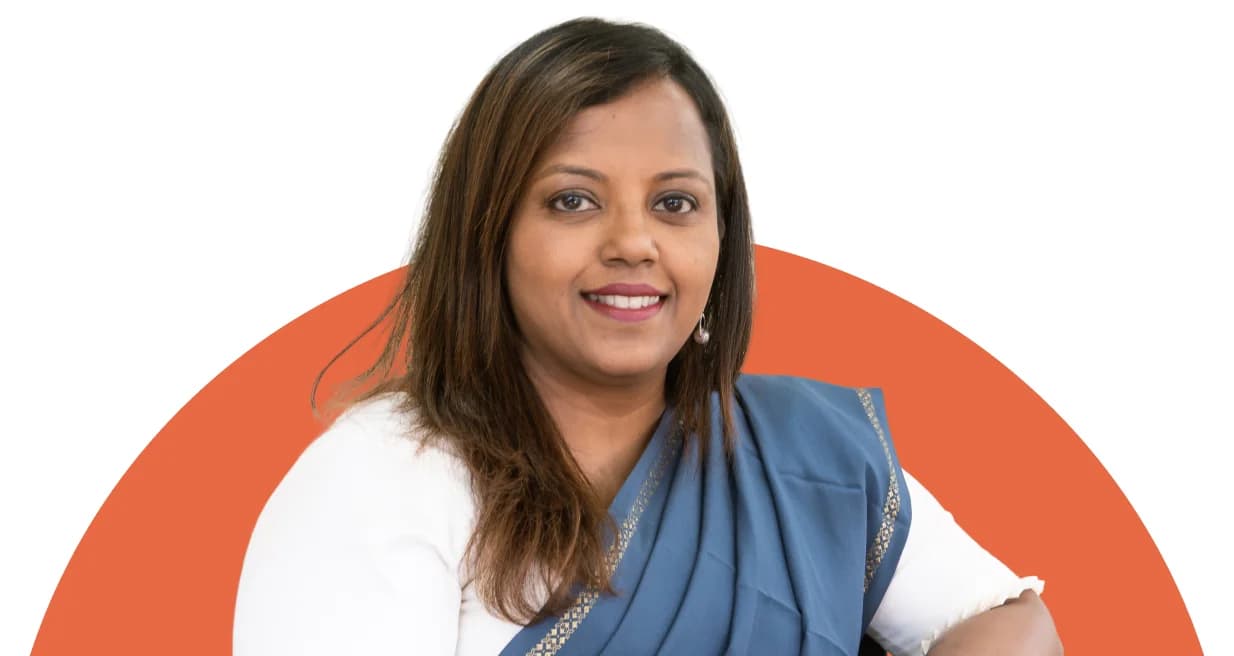
Dr. Divya NallurClinical Director | M.B.B.S, FRCPsych
Dr. Nallur leads clinical operations at Amaha Mental Health Hospital, overseeing care standards, safety protocols, and treatment pathways across the PICU and all inpatient services. She is a senior psychiatrist with over 20+ years of experience in adult psychiatry, including complex inpatient and intensive psychiatric care. She is a Fellow of the Royal College of Psychiatrists and holds specialist training from the United Kingdom.She led multidisciplinary psychiatric services across inpatient, community, and high-dependency NHS settings in Wales and England, working with some of the most complex and high-risk presentations in acute care.Since returning to India in 2014, she has focused on building evidence-based, governance-led psychiatric services with a strong emphasis on patient safety, clinical outcomes, and structured care pathways.
Your questions about PICU, answered
What happens in psychiatric intensive care?
Patients receive round-the-clock care from a multidisciplinary team in a secure, structured environment. The focus is on stabilising acute psychiatric symptoms, reducing risk, and preparing for transfer to less intensive care through regular psychiatric review, medication management, nursing support, and psychological input.
What is the difference between a PICU and a routine psychiatry ward?
A standard psychiatric ward caters for individuals whose needs can be managed with moderate support. A PICU is a locked ward for those with severe, complex, or high-risk presentations. It offers higher staffing, more frequent review, and a more controlled environment, intended as a short-term placement before stepping down to a standard ward or community setting.
What happens after someone is discharged from a PICU?
Discharge is a carefully planned process. A patient is typically stepped down to a standard psychiatric ward before going home. The clinical team works closely with the patient and family to ensure the transition is safe and well-supported. Every patient leaves with a clear aftercare plan, including confirmed follow-up appointments, a medication plan, and identified crisis contacts.





For those in need of more intensive care and daily support, our Mental Health Hospital is now open in Bangalore.
If you or someone you know is experiencing at-risk behaviors or safety concerns, or any other life-threatening extreme-case issues or critical mental health situation, contact a helpline or go to the nearest hospital or extreme-case support room. Having a close family member or friend with you for support can be invaluable during this time.
For extreme-case mental health support, please call the national Tele MANAS helpline at 1-800-891-4416.
If you or someone you know is experiencing at-risk behaviors or safety concerns, or any other life-threatening extreme-case issues or critical mental health situation, contact a helpline or go to the nearest hospital or extreme-case support room. Having a close family member or friend with you for support can be invaluable during this time.
For extreme-case mental health support, please call the national Tele MANAS helpline at 1-800-891-4416.