

Rehabilitation Centre For Deaddiction in Bangalore
At Amaha, every journey to recovery from addiction matters. Our specialised deaddiction program combines 24/7 medical supervision, and advanced interventions, guiding you toward lasting recovery from substance and behavioural addictions.
For any admission related queries, reach out to us and we’ll call you back within 24 hours.
Need guidance or have an emergency?
Signs that someone may benefit from the Rehabilitation Centre for Deaddiction in Bangalore
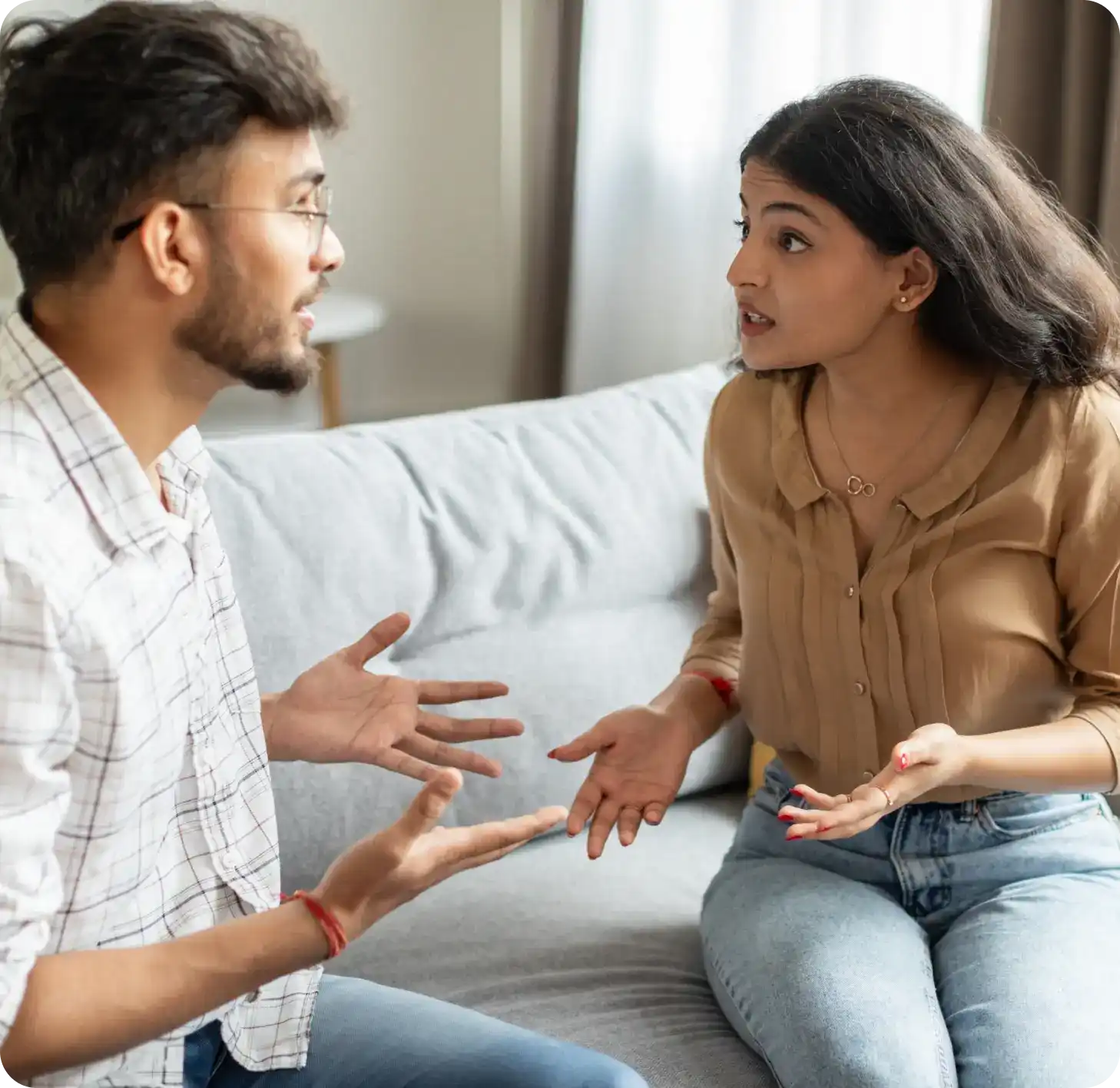
If addiction is impacting your health, relationships, or everyday life, rehabilitation provides a way toward a healthier life.
Rehabilitation is for individuals:
- struggling with alcohol or drug dependence.
- facing behavioural addictions, such as gambling, gaming, or excessive screen time.
- experiencing withdrawal symptoms without proper medical supervision.
- with a history of relapse and unsuccessful self-managed recovery.
- whose addiction interferes with daily life and well-being, affects work, family, or social life.
Early intervention improves recovery outcomes, but rehabilitation can help anyone seeking to regain control over their life from substance dependence.
What Happens at the Rehabilitation Centre for Deaddiction in Bangalore?
Our rehabilitation program supports you through each stage of recovery, nurturing both your physical health and mental well-being.
1
Assessment & Evaluation2
Detoxification3
Therapy4
Coping Strategies5
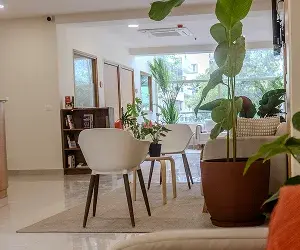
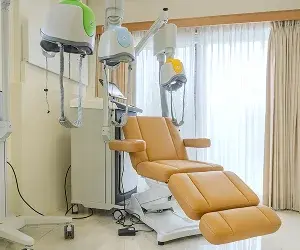
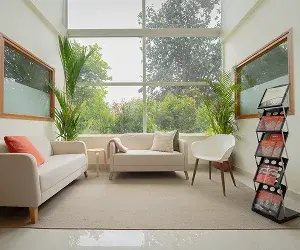
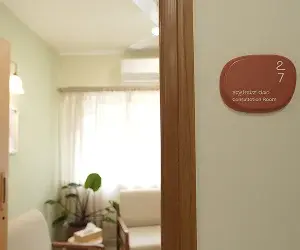
Follow-Up & AftercareAmaha Rehabilitation Centre For Deaddiction in BengaluruA super-speciality psychiatric care facility in Thanisandra, offering 24/7 supported admissions, psychiatric ICU, and emergency care for complex mental health and addiction needs, including alcohol and substance abuse.
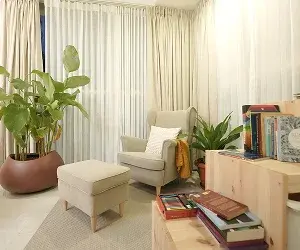
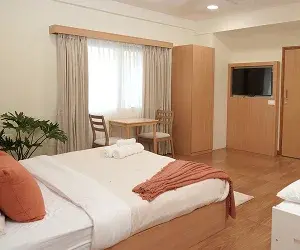
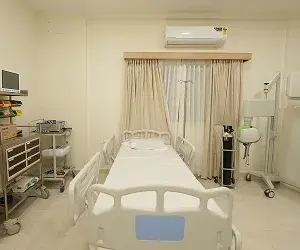
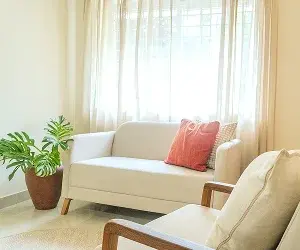
Benefits of Deaddiction Rehabilitation
Rehabilitation supports you in coping with the effects and roots of addiction.Physical Safety and Comfort During WithdrawalWithdrawal can be physically and emotionally overwhelming. Our rehabilitation centre provides round-the-clock medical supervision to ensure you get through the process safely and comfortably.
Practical Tools to ManageCravings are one of the biggest challenges in recovery. Through evidence-based therapies, you learn practical, real-world strategies to recognise triggers, resist urges, and avoid falling back into old habits.
Understanding Your TriggersRehabilitation helps you identify the specific emotional, social, or environmental triggers that fuel your addiction, and equips you with the awareness and skills to manage them effectively.
Rebuilding RelationshipsAddiction often strains relationships with family and loved ones. Rehabilitation creates space for healing those bonds through family therapy, open communication, and rebuilding trust.
Structured Routine and StabilityA structured daily routine with therapy sessions, meals, activities, and rest provides the stability that is often missing during active addiction. This structure becomes the foundation for a healthier lifestyle after discharge.
Peer Support and CommunityRehabilitation connects you with others who understand your journey. Shared experiences, group therapy, and peer encouragement create a powerful sense of community that can sustain motivation and reduce feelings of isolation.
Long-Term Relapse PreventionBeyond immediate recovery, rehabilitation prepares you for life after treatment. You leave equipped with a personalised relapse prevention plan, coping strategies, and access to aftercare resources that support lasting sobriety.
Restored Confidence and a Fresh StartOne of the most transformative benefits of rehabilitation is rediscovering who you are beyond addiction. You regain a sense of control over your decisions, rebuild self-esteem, and find renewed purpose and direction in daily life.

What are the outcomes of Rehabilitation?
Rehabilitation helps individuals safely withdraw from harmful substances or behaviours, heal physically and mentally, and rebuild their daily lives. This includes:- Addressing root causes like trauma or mental health conditions
- Preventing relapse through coping strategies and life skills
- Restoring physical health and daily functioning
- Repairing relationships through family support, and providing long-term aftercare
Misconceptions About Rehabilitation and Deaddiction
Myth
Rehabilitation is only for individuals with very severe addiction.Fact
Anyone struggling with addiction, regardless of severity, can benefit from rehabilitation.Myth
Addiction is a lack of willpower.Fact
Addiction is a complex condition affecting brain chemistry and behaviour, not a moral weakness.Myth
If someone relapses, that means the treatment has failed.Fact
Relapse is a part of recovery. It’s a signal to adjust support and strategies, not a failure.Myth
Therapy isn’t necessary; detox for deaddiction is enough.Fact
Psychological support is important to address triggers, prevent relapse and build long term coping skills.Myth
Rehabilitation isolates patients from the world forever.Fact
Modern rehab emphasises reintegration and real-life skill-building alongside care.Rehabilitation Psychiatrists in Bangalore
Loading psychiatrists...
Rehabilitation Therapists in Bangalore
Loading therapists...

We're available 24/7 for emergency support
For any admission related queries, reach out to us and we’ll call you back within 24 hours.
Need guidance or have an emergency?
FAQs About Rehabilitation Centre in Bangalore
What is meant by rehabilitation?
Rehabilitation is a process to help individuals overcome physical, psychological, or behavioural challenges caused by addiction. For deaddiction, rehabilitation provides a space for individuals to detoxify, rebuilding mental health, coping strategies, and social skills for long-term recovery.
What are the three types of rehabilitation?
- Inpatient Rehabilitation: Intensive, 24/7 care at a facility.
- Outpatient Rehabilitation: Treatment while living at home, with regular visits to the centre.
- Home-Based Rehabilitation: Therapy and support delivered at home.
What is the purpose of rehabilitation?
The purpose is to help individuals recover from addiction or illness, manage symptoms safely, develop coping strategies, and restore overall health and quality of life.
What is a deaddiction center?
A de-addiction center is a specialised medical and therapeutic facility that helps individuals overcome dependence on substances such as alcohol, drugs, or prescription medications as well as behavioural addictions like gambling or gaming.
These centers provide a structured, supervised environment where patients can safely withdraw from substances and receive the physical, psychological, and emotional support needed for lasting recovery. Treatment typically includes medical detox, individual and group therapy, counselling, relapse prevention training, and aftercare planning.
These centers provide a structured, supervised environment where patients can safely withdraw from substances and receive the physical, psychological, and emotional support needed for lasting recovery. Treatment typically includes medical detox, individual and group therapy, counselling, relapse prevention training, and aftercare planning.
What is Substance Use Disorder (SUD)?
Substance Use Disorder (SUD) is a condition in which a person's use of alcohol, drugs, or other substances leads to significant impairment or distress in their daily life.
It is characterised by:
It is characterised by:
- Loss of control: Inability to cut down or stop use despite wanting to
- Cravings: Intense urges to use the substance
- Tolerance: Needing more of the substance to get the same effect
- Withdrawal symptoms: Physical or psychological symptoms when use is reduced or stopped
- Neglect of responsibilities: Substance use interfering with work, relationships, or health
- Continued use despite harm: Using even when it causes clear negative consequences
What is the cost of a rehabilitation centre?
Costs vary depending on the intensity, duration, and level of medical and therapeutic support.
How long does addiction treatment at a rehabilitation take?
Addiction treatment duration typically lasts 30-90 days based on individual needs and the program's intensity.