

Amaha / / / Differentiating Body Dysmorphic Disorder from General Self-Consciousness
ARTICLE | 3 MINS READ
Differentiating Body Dysmorphic Disorder from General Self-Consciousness
Published on
3rd Apr 2026

Dr Vani Kulhalli
MD Psychiatry
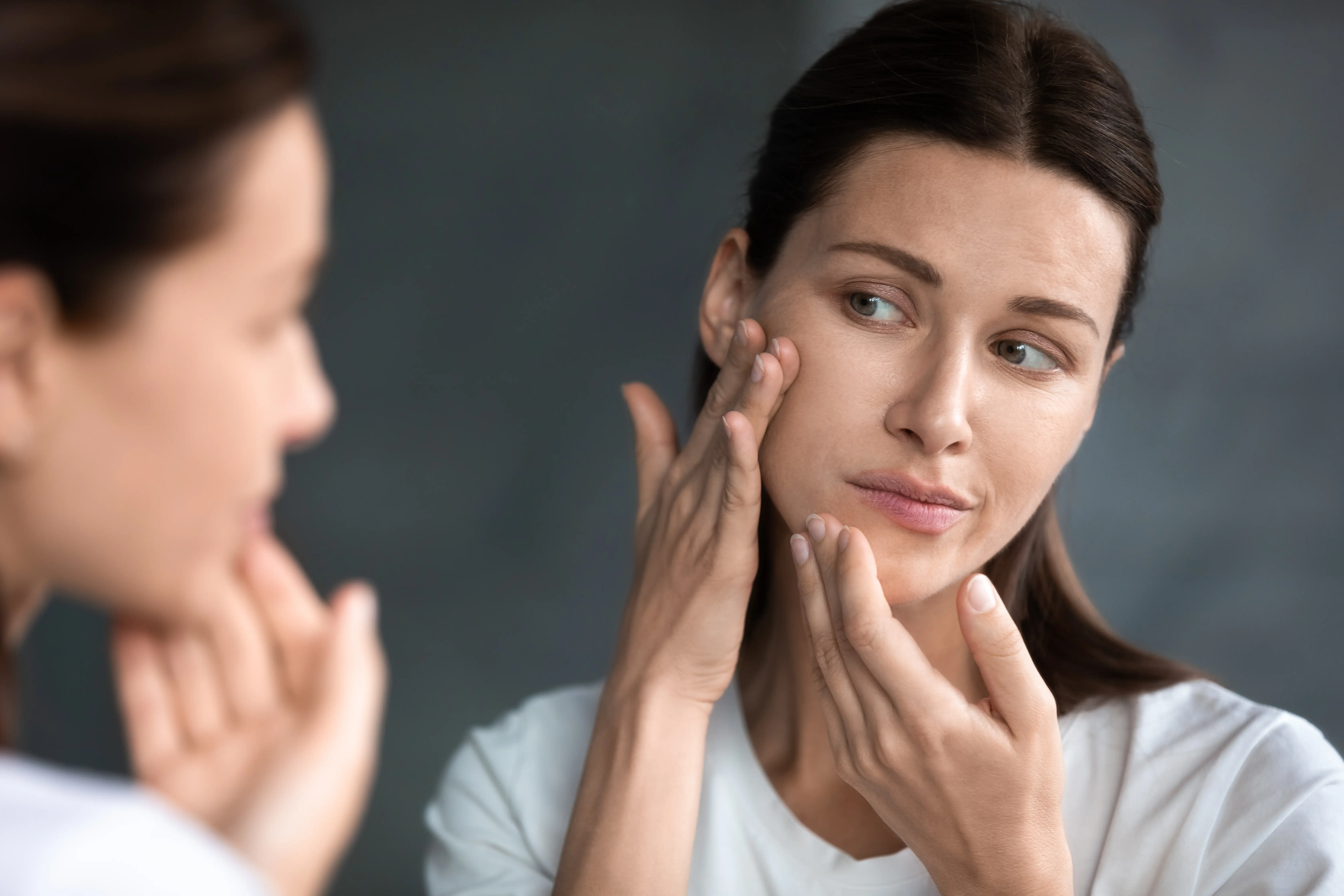
D had always been a bit self-conscious about his appearance. He’d worry about minor imperfections, like a pimple or a slightly crooked tooth. However, lately, these concerns had escalated to a point where they were consuming his thoughts and affecting his daily life.
He spent hours scrutinising his reflection, convinced that his nose was too large or his skin too pale. He avoided social situations, fearing judgment and ridicule. Even simple tasks like going to the grocery store became a source of anxiety. D’s parents had tried to reassure him and he had been through multiple medical consultations and procedures. After years of trying to look better and believing that he is ugly, he had given up on trying. He now remains at home and rarely steps out. Whenever he steps out, he makes sure it is under the cover of darkness with a long hood that covers most of his face.
Little did he know that his symptoms aligned with Body Dysmorphic Disorder (BDD), a mental health condition where individuals become preoccupied with perceived flaws in their appearance. These perceived flaws can be minor or nonexistent to others, but they cause significant distress and impairment in the individual's life. It's important to distinguish BDD from general self-consciousness, a common human experience.

15% Off on first 3 sessions so that you can see Long Term Results
Therapy works best when it’s approached with consistency. Take those first few steps with confidence, so you can begin your mental health journey. **Limited Period Offer
Understanding Body Dysmorphic Disorder (BDD)
BDD is characterised by excessive preoccupation with perceived flaws in one's appearance. These perceived flaws can range from skin blemishes and hair thinning to body shape and size. Individuals with BDD often engage in repetitive behaviours, such as excessive grooming, mirror-checking, or seeking reassurance from others.
Symptoms of BDD
- Excessive preoccupation with perceived flaws: Individuals with BDD spend a significant amount of time thinking about their perceived flaws. The extent of this preoccupation is that it supersedes everything else in their lives, including work, relationships and hobbies.
- Repetitive behaviours: They may engage in repetitive behaviours like mirror-checking, excessive grooming, or comparing themselves to others.
- Social anxiety: BDD leads to social anxiety and avoidance of social situations. It results in severe social withdrawal or a habit of stepping out only after much preparation, anxiety and when absolutely unavoidable
- Avoidance of activities: Individuals may avoid activities that could draw attention to their perceived flaws.
- Depression and anxiety: BDD contributes to depression and anxiety by fostering intense preoccupation with perceived flaws, leading to feelings of worthlessness, shame, and isolation. The constant self-scrutiny and fear of judgment can erode self-esteem, fueling a cycle of emotional distress. Suicidal thoughts and attempts are known to occur.
General Self-Consciousness vs. BDD
It's important to differentiate between general self-consciousness and BDD. General self-consciousness is a common human experience, and most people experience it at some point in their lives. However, BDD is a more severe and persistent condition.
Key Differences
Feature: Intensity General Self-Consciousness: Mild to moderate Dysmorphic Disorder (BDD): Severe and persistent
Feature: Focus General Self-Consciousness: Broad range of concerns Dysmorphic Disorder (BDD): Specific perceived flaws
Feature: Impact on daily life General Self-Consciousness: Minimal to moderate Dysmorphic Disorder (BDD): Significant impairment
Feature: Repetitive behaviours General Self-Consciousness: Less frequent and less intense Dysmorphic Disorder (BDD): Frequent and intense
Feature: Insight General Self-Consciousness:Recognises unrealistic concerns Dysmorphic Disorder (BDD): May lack insight or believe concerns are realistic

Understand How You Truly Feel About Yourself
Are your concerns about appearance occasional, or do they feel overwhelming? Take our quick self-assessment to explore your thoughts and emotions, and gain clarity about your self-image.
Seeking Help for BDD
If you or someone you know is experiencing symptoms of BDD, it's important to seek professional help. Early intervention can significantly improve outcomes. Treatment for BDD typically involves a combination of therapy and medication.
Therapy
- Cognitive-behavioural therapy (CBT): CBT can help individuals challenge negative thoughts about their appearance and develop coping strategies.
- Exposure and response prevention (ERP): ERP can help individuals gradually expose themselves to situations that trigger their anxiety and avoid engaging in compulsive behaviours.
Medication
Antidepressants: Antidepressants, such as selective serotonin reuptake inhibitors (SSRIs), can help reduce symptoms of depression and anxiety associated with BDD.
Self-Help Strategies
While professional help is crucial, there are self-help strategies that can complement treatment:
- Practice self-compassion: Be kind to yourself and avoid self-criticism.
- Challenge negative thoughts: Identify and challenge negative thoughts about your appearance.
- Limit social media use: Social media can often exacerbate body image concerns.
- Develop healthy coping mechanisms: Engage in activities that you enjoy and that promote relaxation.
- Connect with others: Build strong relationships with supportive friends and family.
While general self-consciousness is a common human experience, BDD is a serious mental health condition that can significantly impact an individual's quality of life. If you or someone you know is struggling with BDD, seeking professional help is essential. With appropriate treatment and self-care strategies, individuals with BDD can manage their symptoms and lead fulfilling lives.