
Amaha / / / What is a Psychology Test? Psychology Tests to Understand Hidden Traits, Deep Concerns and Mental Health Conditions
ARTICLE | 5 MINS READ
What is a Psychology Test? Psychology Tests to Understand Hidden Traits, Deep Concerns and Mental Health Conditions
Published on
31st Mar 2026

Parth Kalia
M.S. Clinical Mental Health Counseling

Understanding Psychological Screening Tools
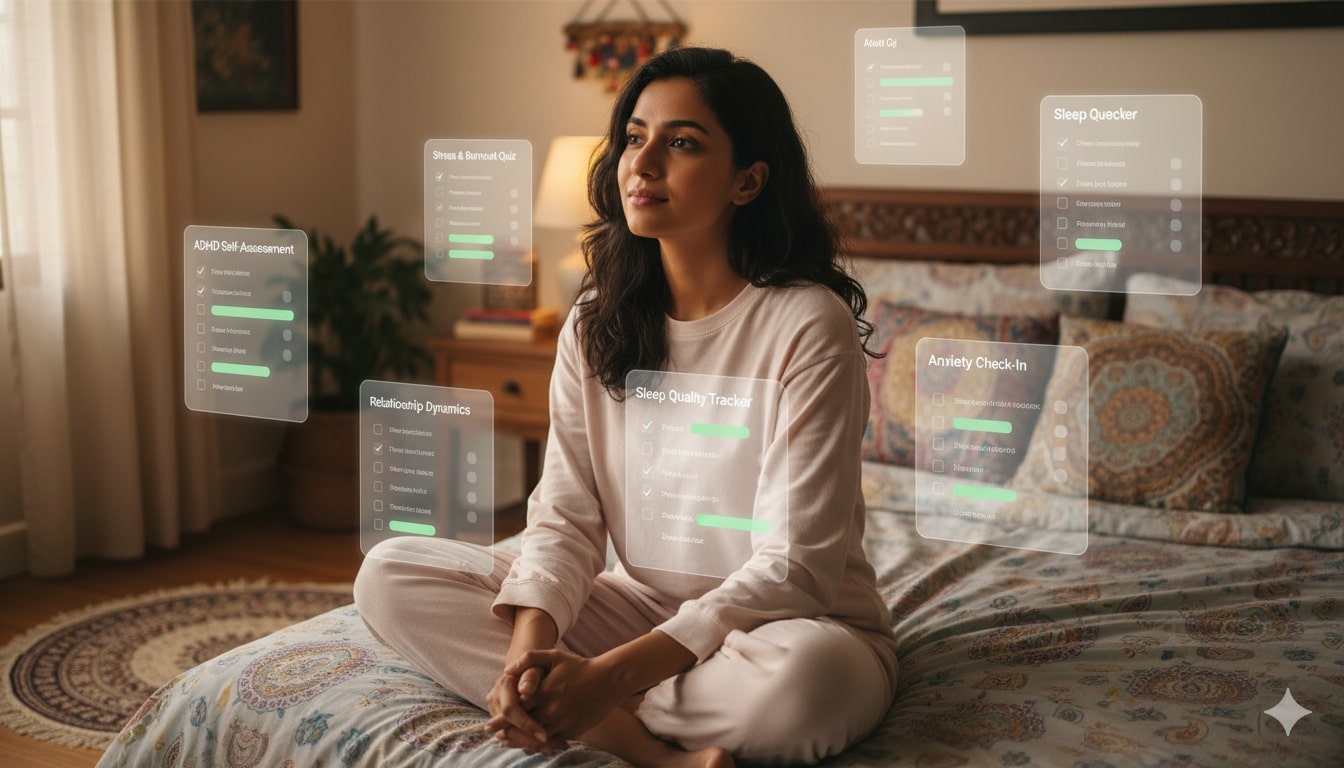
Psychological tests are standardised tools designed to measure specific aspects of human behaviour, cognition, and emotion. When used appropriately, these assessments can provide valuable insights that complement professional mental health evaluations.
Mental health challenges are common and treatable. Just as medical tests help identify physical health conditions, psychological assessments can help identify patterns in thoughts, behaviours, and emotions that may benefit from professional support.

Get 15% OFF on First 3 Sessions - Use Code: FIRST15
Therapy works best when it’s approached with consistency. Take those first few steps with confidence, so you can begin your mental health journey. **Limited Period Offer
Important Limitations of Screening Tools
Online psychological tests are screening tools, not diagnostic instruments. They can indicate whether further professional evaluation may be helpful, but they cannot diagnose mental health conditions. Only qualified mental health professionals (psychiatrists, clinical psychologists) can provide formal diagnoses through comprehensive assessment.

Common Mental Health Screening Tools
The following are examples of symptom screening questionnaires. These tools can indicate whether a professional evaluation is warranted, but cannot replace clinical assessment.
- Attention-Deficit/Hyperactivity Disorder Screening: The Adult ADHD Self-Report Scale (ASRS) is a validated screening tool developed by the World Health Organisation. It assesses symptoms such as difficulty sustaining attention, restlessness, and challenges with task completion. A positive screen suggests the need for professional evaluation, not a diagnosis.

Take The ADHD Self-Check Test and Assessment
Find out the Severity of Your Symptoms and How it has been impacting your Life
Obsessive-Compulsive Symptoms: Validated tools like the Yale-Brown Obsessive Compulsive Scale (Y-BOCS) help identify patterns of intrusive thoughts and repetitive behaviours. Occasional checking or preference for order does not constitute OCD; clinical OCD involves significant distress and functional impairment. The YBOCS is not a self-screening tool; it must be administered by a trained clinician.
How severe are your OCD Symptoms?
Is this manageable or do you require Clinical Support
Depression Screening: Tools such as the Patient Health Questionnaire-9 (PHQ-9) help distinguish between temporary sadness and symptoms consistent with major depressive disorder. Clinical depression involves persistent symptoms that significantly impair daily functioning for at least two weeks.
Are you really Clinically Depressed or just going through a Low Phase?
Check your Symptoms and their Severity
Stress Assessment: Tools like the Perceived Stress Scale measure subjective stress levels. Stress is a normal response to demands, but chronic or overwhelming stress may benefit from professional support and coping strategies.
Check your Daily-Life Stress Levels via this Test
Find out if Cortisol is really impacting your daily functioning
Anxiety Screening: The Generalised Anxiety Disorder-7 (GAD-7) is a validated screening tool for anxiety symptoms. Occasional worry is normal; clinical anxiety involves persistent, excessive worry that interferes with daily life.
Sleep Quality Assessment: The Pittsburgh Sleep Quality Index assesses sleep patterns. Poor sleep can both result from and contribute to mental health difficulties, highlighting the interconnection between physical and mental well-being.
Is your Sleep Routine really Messed-up?
Check the Quality of your Sleep and how it impacts your overall well-being
Relationship Assessments: Various validated tools assess relationship satisfaction and communication patterns. These can help identify areas for improvement, but should be interpreted carefully, as relationship dynamics are complex and culturally variable.
Is your Relationship or Marriage Lacking Respect and Intimacy?
Take the Amaha assessment to know if it is a temporary relationship bump or there are deeper concerns.
Self-Esteem Assessment: The Rosenberg Self-Esteem Scale is a widely used tool for measuring overall self-regard. Cultural context matters; expectations and social comparisons vary across communities and can influence how people evaluate themselves.
Take the How Do You Feel About Yourself? Test and Assessment
Measure if you need Therapy to build your Self-Esteem and Confidence
Potential Benefits of Mental Health Screening
When used appropriately, psychological screening tools can offer several benefits:
- Increased self-awareness: Structured questions can help you notice patterns in your thoughts and behaviours that you might otherwise overlook.
- Validation and language: Finding that your experiences align with recognised patterns can be relieving and help you communicate more effectively with professionals.
- Early identification: Screening can prompt timely professional consultation, though it's important to note that early intervention helps many people, but outcomes vary by individual and condition.
- Tracking changes over time: Periodic screening can help monitor whether symptoms are improving, stable, or worsening, which can inform treatment decisions in consultation with professionals.
- Reducing stigma: Normalising mental health assessment can make it easier to seek help and discuss wellbeing openly.
Guidelines for Using Screening Tools Responsibly
- Answer honestly: Screening tools are most useful when you respond based on your actual experiences, not how you wish you felt or how you think you should answer.
- Use validated instruments: Look for tools with scientific backing, developed or endorsed by recognised mental health organisations. Be cautious of informal quizzes without clear psychometric validation.
- Focus on one concern at a time: Rather than completing multiple assessments simultaneously, consider which area is most pressing.
- Complete in a calm setting: Choose a time when you can reflect thoughtfully without distraction.
- Complete all questions: Partial responses may affect the accuracy of results.
- Interpret results as guidance, not diagnosis: Screening results indicate whether professional evaluation may be helpful. They are starting points for conversation with qualified professionals, not definitive conclusions.
Next Steps After Screening
If a screening tool suggests you may be experiencing symptoms of a mental health condition, consider the following:
- Consult a qualified professional: Psychologists, psychiatrists, and licensed counsellors can conduct comprehensive evaluations. Many now offer teletherapy, which can provide privacy and accessibility.
- Understand treatment options: Evidence-based treatments vary by condition and individual. Common approaches include:
- Cognitive Behavioural Therapy (CBT): Helps identify and modify unhelpful thought and behaviour patterns. Strong evidence supports its effectiveness for anxiety, depression, and other conditions.
- Mindfulness-based interventions: Practices that cultivate present-moment awareness, supported by research on stress reduction.
- Behavioural activation: A structured approach to increasing engagement with meaningful activities, particularly helpful for depression.
- Relationship or family therapy: Addresses interpersonal patterns and communication.
- Psychoeducation and skills training: Particularly useful for conditions like ADHD, where understanding the condition and developing specific strategies is important.
- Consider medication when appropriate: For some conditions, psychiatric medication is an evidence-based treatment option. Medication decisions should be made collaboratively with a qualified psychiatrist based on individual circumstances.
- Implement lifestyle supports: While not replacements for professional treatment when needed, practices like regular sleep, physical activity, and social connection can support mental well-being.
- Plan for ongoing care: Mental health treatment is often most effective when sustained over time. Regular follow-up helps monitor progress and adjust approaches as needed.
Frequently Asked Questions
Are online psychology screening tools accurate?
Online screening tools based on validated instruments (such as the PHQ-9, GAD-7, or ASRS) can reliably screen for symptoms, but they cannot provide diagnoses. For accurate diagnosis, a comprehensive evaluation by a licensed mental health professional is necessary.
Do cultural differences affect test validity?
Yes. Many psychological tests were developed in Western contexts and may not fully capture how symptoms present across different cultures. When possible, use tools that have been validated in your cultural context. Professional evaluation should always consider cultural factors.
How much do professional mental health assessments cost in India?
Professional psychological assessments typically range from Rs. 500 to Rs. 5,000, depending on the complexity and provider. Government mental health centres and some NGOs offer subsidised or free services. Costs vary significantly by location and type of service.
Can I take these tests privately?
Yes. Online screening tools are generally confidential and can be completed privately. However, read privacy policies carefully, especially regarding data storage and use.
Will screening prevent mental health problems?
Screening alone does not prevent mental health conditions. However, early identification of symptoms can facilitate timely intervention, which may improve outcomes for some conditions. Prevention is complex and involves many factors beyond screening.
Psychological screening tools can be valuable resources for understanding your mental health, but they are most useful as part of a broader approach that includes professional guidance. If you have concerns about your mental health, consulting with a qualified professional is the most reliable path to accurate assessment and effective support.