

Amaha / / / Understanding Neurodivergent Minds
ARTICLE | 6 MINS READ
Understanding Neurodivergent Minds
Published on
10th Apr 2026

Dr Vani Kulhalli
MD Psychiatry
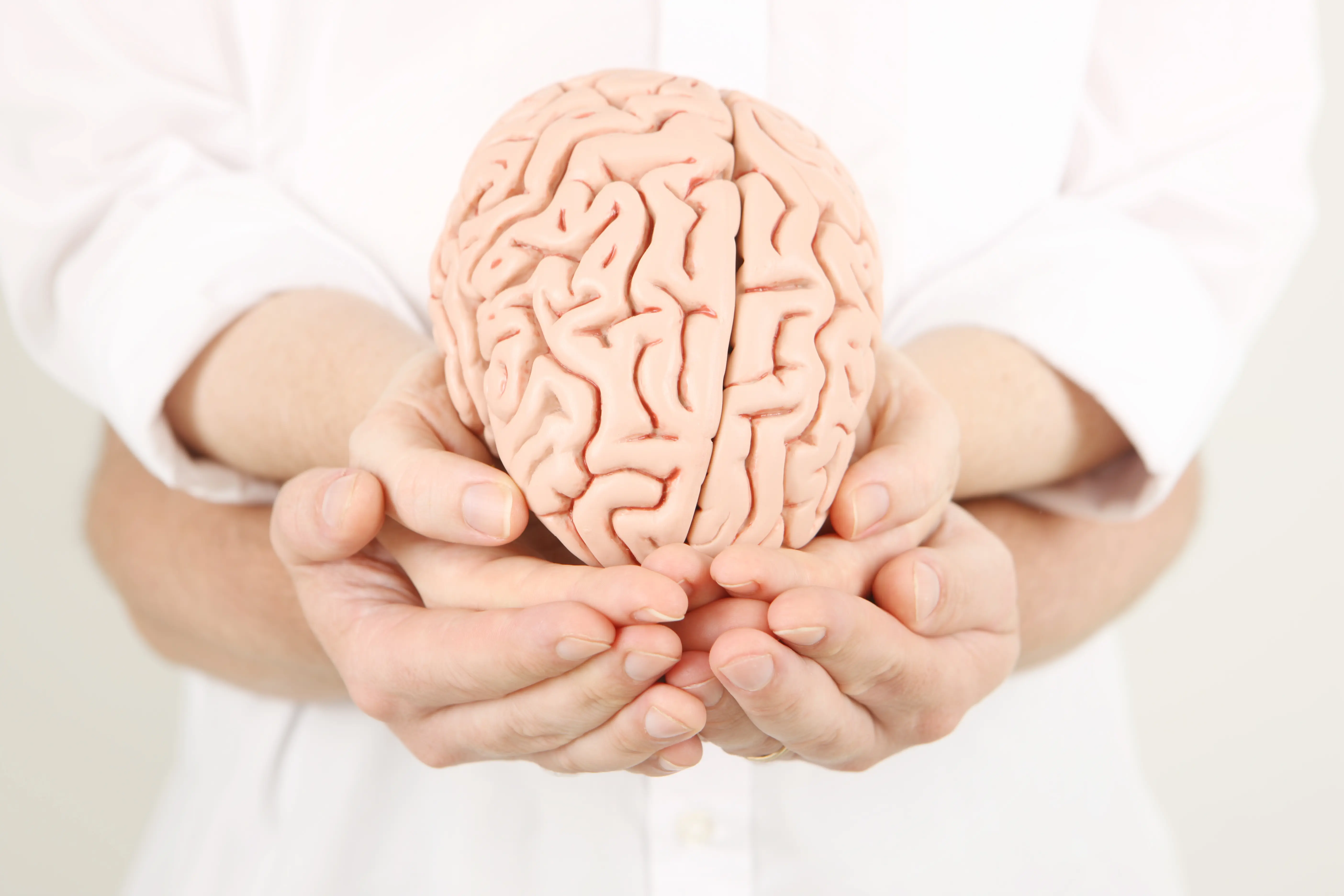
The term "neurodivergent" emerged in the late 1990s, coined by sociologist Judy Singer. Before this, we only had "normal" and "abnormal." Singer introduced "neurodiversity" to describe the natural variation in human brains, much like we accept variations in height or skin colour.
Neurodiversity as a concept argues that different brains aren't faults in the system; they're variations that have always existed. In a country like ours, where academic pressure and social comparison start early, this idea can feel like a breath of fresh air.
A neurodivergent individual might process information faster or slower; they might feel emotions more intensely; they might struggle with routine tasks while excelling in creative ones.
"Neurotypical" refers to individuals whose brain functioning aligns with societal expectations. Meanwhile, neurodivergent people process information, emotions, and sensory input differently. In Indian households, we've historically labelled neurodivergent children as "slow learners" or "too sensitive."
The Neuroscience Behind Being Neurodivergent
Neurodivergent brains show distinct patterns in structure and connectivity. Research using fMRI scans reveals differences in areas controlling executive function, sensory processing, and social communication. The prefrontal cortex, responsible for planning and decision-making, often shows altered activation patterns. The amygdala, our emotional centre, may process stimuli more intensely.
From a neuroscience lens, neurodivergent profiles arise due to variations in neural connectivity, neurotransmitter functioning, and brain region activation. For example, ADHD brains often have differences in dopamine regulation, while autistic individuals show distinct patterns in social cognition networks.
We also know that genetic influences play a strong role. But early environment, overstimulation, trauma, and learning experiences in households and schools shape how these neurodivergent traits express themselves.

Get 15% OFF on First 3 Sessions - Use Code: FIRST15
Therapy works best when it’s approached with consistency. Take those first few steps with confidence, so you can begin your mental health journey. **Limited Period Offer
Common Characteristics of Neurodivergent People
Although each neurodivergent person is unique, some patterns appear often:
- Strong hyperfocus or difficulty focusing
- Heightened sensitivity to sounds, lights, emotions, certain environments, and crowds
- Challenges with organisation or planning
- Unusual creativity or problem-solving
- Need for predictable routines
- Struggles with social cues
- Faster burnout due to masking
- Different communication styles - Direct communication preferences vs indirect, context-heavy conversations
- Unique learning patterns: Traditional rote learning doesn't work; play and art-based learning may be more effective
- Executive function challenges: Planning a simple trip to the market requires immense mental energy
- Certain obsessions or fidgety behaviour
Masking is particularly common. Many neurodivergent young adults force themselves to appear neurotypical to avoid judgment. It's exhausting and often leads to anxiety or depression.
Types of Neurodivergence
- ADHD (Attention Deficit Hyperactivity Disorder): Difficulty with attention, impulsivity, hyperactivity
- Autism Spectrum Disorder (ASD): Challenges with social communication, repetitive behaviours, intense interests
- Dyslexia: Reading and language processing difficulties
- Dyspraxia: Motor coordination challenges
- Dyscalculia: Mathematical processing difficulties
- Tourette Syndrome: Involuntary tics and vocalisations
- Sensory Processing Disorder: Difficulty processing sensory information
- OCD (considered neurodivergent in many circles)
- Social communication disorder
How Neurodivergent and Neurotypical People Differ
A neurotypical person tends to follow expected social rhythms. Their brains align more easily with structured learning, standard communication, and predictable routines.
A neurodivergent person might feel out of sync with these rhythms. They might struggle in situations where quick processing is expected or where sensory input is heavy. Yet, ironically, they might outperform neurotypical peers in tasks that require creativity, deep thinking, or pattern recognition.
Is Neurodivergence a Disability?
Legally, many neurodivergent conditions qualify under the Rights of Persons with Disabilities Act, 2016. This provides access to reservations and accommodations.
Symptoms of Neurodivergence
People often start noticing patterns like:
- You get overwhelmed in loud spaces
- You lose focus quickly on boring tasks
- You often feel misunderstood
- You repeat behaviours to soothe yourself
- You need a long recovery after social interactions
- You spot details others miss
- You have unusual learning patterns

Check for Adult ADHD Traits
Take the Adult ADHD Self-Report Scale to see if your focus, energy, or organisation patterns match common ADHD traits. Get quick insights in just a few minutes.
Famous Neurodivergent Personalities
Globally known neurodivergent personalities include people whose strengths reshaped entire industries, even though their neurodivergent traits were often misunderstood earlier in life.
Elon Musk: Known for: Space exploration and electric vehicles, leading SpaceX and Tesla
Neurodivergent condition: Publicly disclosed autism (Asperger syndrome)
Simone Biles: Known for: Being one of the greatest gymnasts in history with multiple Olympic medals
Neurodivergent condition: Diagnosed with ADHD and has spoken openly about medication support
Richard Branson: Known for: Building the Virgin Group into a global business empire
Neurodivergent condition: Dyslexia, which he credits for his creative thinking
Temple Grandin: Known for: Transforming livestock handling systems and advocating for autism understanding
Neurodivergent condition: Autism, diagnosed early in childhood
Michael Phelps: Known for: Becoming the most decorated Olympian with 28 medals
Neurodivergent condition: ADHD, diagnosed at age nine
Bill Gates: Known for: Co-founding Microsoft and shaping the modern computing era
Neurodivergent condition: Has not been formally diagnosed publicly, but has discussed traits often associated with autism and ADHD
Medicinal and Non-medicinal Treatments and Support for Neurodivergent Individuals
Medication helps many neurodivergent people, especially those with ADHD or autism-related anxiety. Stimulants, SSRIs, and non-stimulant ADHD medicines can improve focus, emotional stability, and energy regulation.
Non-medical psychotherapy approaches matter too: Behavioural therapy, Occupational therapy, CBT for emotional regulation, Lifestyle coaching, Sensory integration, Mindfulness, Sleep correction, Routine building, Social skills training: Explicitly teaches social rules neurotypical people absorb intuitively, Mindfulness practices: Helpful for emotional regulation, Environmental modifications: Noise-cancelling headphones, flexible schedules, written instructions.
Neuromodulation and neurofeedback therapies:
These emerging treatments show promise for many neurodivergent individuals:
- Neurofeedback (EEG Biofeedback): Trains the brain to regulate its own activity by providing real-time feedback. During sessions, sensors monitor brainwave patterns whilst you engage in activities or games. Over time, this helps improve attention, reduce impulsivity, and regulate emotions. Several clinics in Mumbai, Delhi, and Bangalore now offer this.
- Transcranial Magnetic Stimulation (TMS): Uses magnetic fields to stimulate specific brain regions. Particularly helpful for co-occurring depression in neurodivergent adults. It's non-invasive and doesn't require medication.
- Transcranial Direct Current Stimulation (tDCS): Delivers low-intensity electrical current to targeted brain areas. Research suggests benefits for attention and executive function in ADHD. Availability in India is growing, though still limited to major metropolitan areas.
Therapy and Psychiatry Platforms That Support Neurodivergent Clients
Platforms like Amaha and Children First offer specialised therapy and psychiatry for neurodivergent individuals in India. Trained clinicians can help with emotional regulation, social skills, career guidance, medication, and sensory challenges.
Therapy helps unlearn shame and build systems that fit your unique brain. Psychiatry supports stabilising symptoms. Together, they create a pathway for neurodiversity to flourish instead of being suppressed.
How to Support Neurodivergent People in Your Life?
- Listen without judging - Let them describe how their mind works, what overwhelms them, and what helps. Feeling heard reduces the pressure they carry from years of masking.
- Offer structure only when they ask - Some neurodivergent people benefit from help with planning, reminders, routines, or breaking tasks down. Don’t impose structure; offer it gently.
- Respect sensory limits - Bright lights, loud places, strong smells, or constant socialising may drain them. Support their need for quiet spaces, breaks, or comfort items.
- Avoid dismissive phrases - Comments like "try harder," "everyone feels this," or "stop overthinking" can feel invalidating. Replace them with "How can I help right now?"
- Encourage professional care thoughtfully - Therapy, psychiatry, coaching, or occupational therapy can help them build regulation and coping strategies. Suggest, don’t push.
- Celebrate their strengths - Creativity, hyperfocus, deep empathy, visual thinking, pattern spotting — acknowledge these openly. Strength-based support boosts confidence.
- Give them recovery time - Social interactions and sensory-heavy tasks can be tiring. Don’t mistake alone time for withdrawal; it’s often needed for regulation.
- Communicate clearly and kindly - Direct instructions or expectations help many neurodivergent people. Soft clarity prevents misunderstandings.

Expert Help for Neurodivergent Living
Want help understanding and supporting your neurodivergent traits? Connect with our mental health coaches for personalised guidance and practical strategies for daily life.
Frequently Asked Questions
Can neurodivergence be cured with yoga or meditation?
No. Neurodivergence reflects fundamental brain differences, not illness requiring a cure. While yoga and meditation may help manage stress or anxiety, they won't change neurological wiring. Acceptance and accommodation matter more than attempts at cure.
Are neurodivergent people more intelligent or creative than neurotypical people?
Not necessarily. Neurodivergent individuals may show strengths in pattern recognition, creativity, or focused interests, but intelligence varies as much as in neurotypical populations. Neurodivergence isn't a superpower or deficit; it's a difference in processing.
Can adults suddenly become neurodivergent from stress or trauma?
No. Neurodivergence is developmental, present from birth or early childhood. Adults may only recognise it later, but the neurological differences existed throughout life. Stress can worsen symptoms, but doesn't cause neurodivergence itself.
Should I tell my employer I'm neurodivergent?
Disclosure is personal. Benefits include accessing workplace accommodations and reducing masking exhaustion. Risks include potential discrimination despite legal protections. Consider the company culture, relationship with the manager, and specific accommodations needed before deciding. There's no universal right answer. Discuss with your therapist before taking any such decision.
Is neurodivergence genetic?
There is a strong genetic link, although environment and early experiences shape how neurodivergence appears.
Can neurodivergent people struggle with relationships?
Some do, due to communication differences or emotional sensitivity, but therapy and awareness help improve connection.
Is late diagnosis common in India?
Very common. Many adults identify their neurodivergent traits only after years of struggle or when their child is assessed.
Are there workplace rights for neurodivergent people in India?
Yes, the RPWD Act provides protection, accommodations, and anti-discrimination guidelines for eligible conditions.