

Amaha / / / Life Stressors By Age: Common Sources Of Stress From Childhood To Later Life
ARTICLE | 5 MINS READ
Life Stressors By Age: Common Sources Of Stress From Childhood To Later Life
Published on
29th Oct 2026

Siddhi Hegde
M.Phil Clinical Psychology
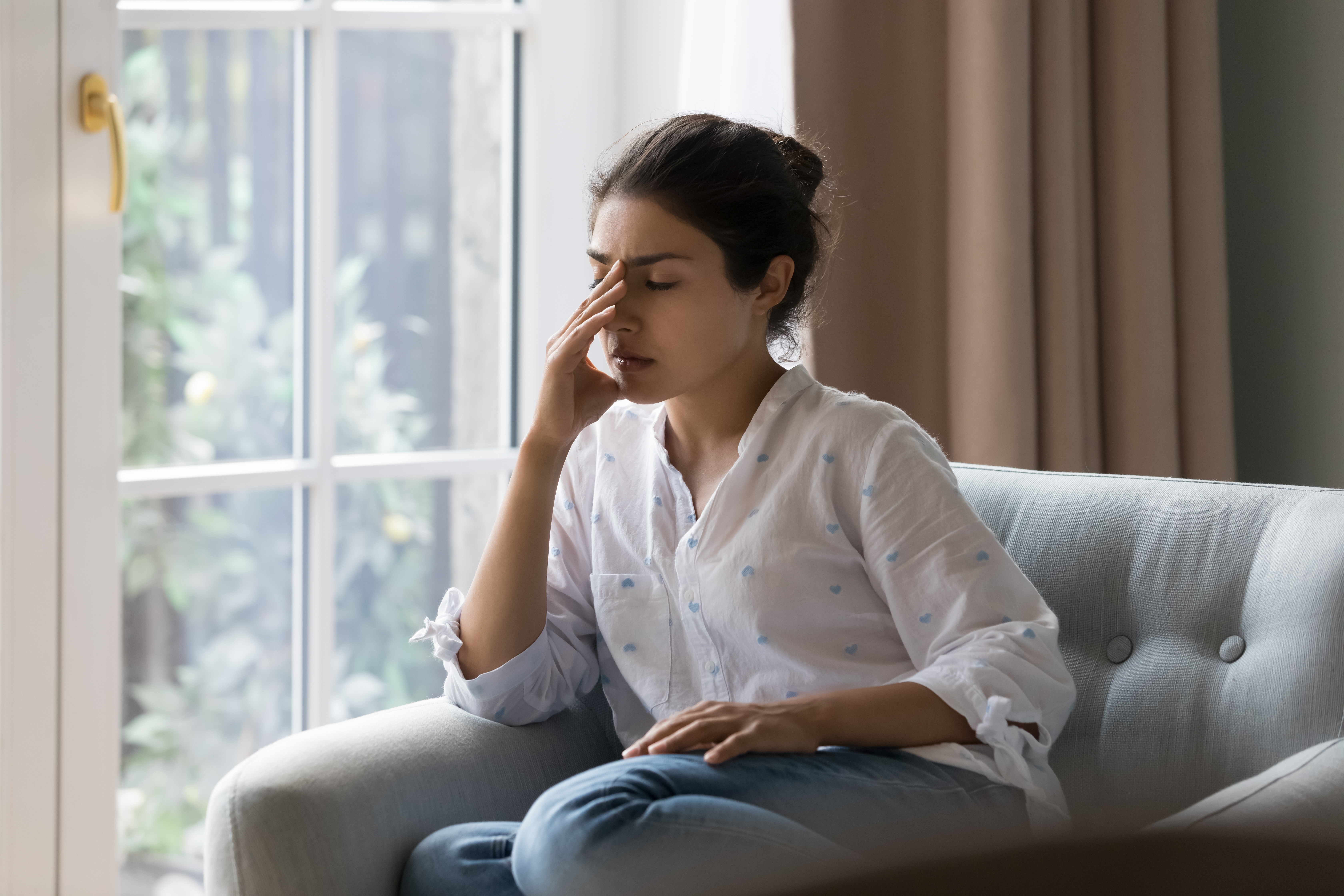
A board exam at 15, a first job at 23, a home loan at 32, a parent's illness at 48 and retirement at 60 each bring pressure at a different point in life. This guide sets out the common life stressors at each stage in India, what research says about their effect on mental health, and when to look for professional support.
What Are Life Stressors? Types, Examples and How They Affect Mental Health
Stress occurs when the demands of a situation tax or exceed a person's ability to adapt (Cohen, Janicki-Deverts & Miller, 2007). Life stressors are the events and ongoing circumstances that create those demands. They tend to fall into three groups:
- Major life events: a death in the family, a divorce, a job loss, an illness
- Chronic stressors: caregiving, debt, an unhappy workplace or unemployment
- Daily hassles: commuting, deadlines and household strain
An early attempt to measure life stressors, the Social Readjustment Rating Scale by Holmes and Rahe (1967), listed 43 events and counted pleasant changes such as a wedding alongside painful ones, since any large change asks a person to adapt.
Stress does not fall evenly across a lifetime. Each stage brings its own demands, such as exams in the teens, a first job in the twenties, parenthood and caregiving in midlife and bereavement later on. Knowing which life stressors tend to arrive when, helps people spot strain early, which matters because mental health difficulties often begin young. A meta-analysis of 192 studies found that about one-third of mental disorders start before age 14, 48.4% before 18 and 62.5% before 25 (Solmi et al., 2021).
The figures in this guide come from national surveys, peer-reviewed studies and Amaha's own report. No single source tracks every stressor across every age range, so each section uses the best available data for that stage.

Get 15% OFF on First 3 Sessions - Use Code: FIRST15
Therapy works best when it’s approached with consistency. Take those first few steps with confidence, so you can begin your mental health journey. **Limited Period Offer
Life Stressors in Childhood and Adolescence (Ages 5 to 17)
For children, life stressors usually come from school, family and friendships:
- Starting school, changing schools or moving cities
- Academic pressure, including board exams and competition for entrance tests
- Bullying or exclusion by peers
- Conflict at home, parental separation, illness or the loss of a family member
- Social comparison, particularly in the teen years
The World Health Organization (2024) names peer pressure, bullying, harsh parenting and violence as risk factors in adolescence, and estimates that one in seven (14.3%) young people aged 10 to 19 live with a mental health condition.
In India, the National Mental Health Survey (2015-16) found mental disorders in 7.3% of adolescents aged 13 to 17, with similar rates in boys and girls (Gururaj et al., 2016). Academic pressure carries weight too, as student suicides reached 13,892 in 2023, or 8.1% of all suicides, the highest count in a decade (NCRB, 2023). Early adversity such as abuse, neglect and household dysfunction is also linked with a higher risk of depression in adulthood (Felitti et al., 1998; Chapman et al., 2004).
Life Stressors in Young Adulthood (Ages 18 to 25)
This age range is full of transitions, and each one can add pressure:
- Leaving home for college or a first job in another city
- Career uncertainty, entry-level pay and education loans
- First serious relationships and breakups
- Family expectations around career, marriage and "settling down"
Because many mental health conditions first appear by the mid-twenties (Solmi et al., 2021), early signs are easy to dismiss as adjustment. Indian data show both the pressure and the reluctance to seek help:
- Youth unemployment among 15 to 29 year olds was 10.2% in 2023-24 (PLFS)
- In a UNICEF and Gallup survey in 2021, 14% of 15 to 24 year olds in India said they often feel depressed or have little interest in doing things, and only 41% said it is good to seek support for mental health problems, against an average of 83% across 21 countries
Life Stressors in Early Adulthood (Ages 26 to 35)
Responsibilities multiply in the late twenties and early thirties:
- Pressure to advance at work and long working hours
- Home loans, EMIs and the cost of living in metros
- Marriage and new household roles
- Becoming a parent, with sleep loss and career changes
- First experiences of caring for ageing parents
This age range is the most visible in Amaha's Mental Health Report 2026: 51.3% of respondents were aged 25 to 34, and anxiety (72.1%) and stress (67.5%) were the most common concerns. These figures describe only people who reached care with Amaha.

Feeling constantly stressed or overwhelmed?
This care guidance call helps you unpack ongoing stress or burnout and understand what kind of mental health support could help you feel steadier.
Life Stressors in Midlife (Ages 36 to 55)
Midlife often brings several sources of strain together:
- Caring in two directions: a Pew Research Center analysis in the US found that 54% of adults in their forties and 45% in their fifties have a living parent aged 65 or older and also support a child
- Work strain: a meta-analysis cited by Cohen and colleagues (2007) linked chronic work stress, such as high demands with low control, to roughly a 50% higher risk of cardiovascular disease
- Health and money: the first long-term conditions, children's education costs and retirement planning
The National Mental Health Survey found mental disorders more common among middle-aged adults (Gautham et al., 2020), and the Longitudinal Ageing Study in India (LASI, 2017-18) found depressive symptoms in 26% of adults aged 45 to 59.
Life Stressors in Later Life (Ages 56 and Above)
Later in life, the pressures shift toward loss and change:
- Retirement and loss of routine, status or income
- Bereavement of a spouse, siblings and friends
- Chronic illness, pain and reduced mobility
- Loneliness, especially for those living alone
LASI found depressive symptoms in 30% of people aged 60 and above, about 103 million people, and probable major depression in 8.3%. Only 0.8% of older adults reported ever being diagnosed with depression, about one-tenth of the probable figure. A LASI analysis found loneliness in about 15% of older adults, more often in women (17.5%) than men (12.1%) and in those living alone (37%). A 2025 report drawing on LASI estimated that about 70% of older Indians are financially dependent. Low mood in older adults can appear as aches, tiredness or poor sleep, so a family may read it as ageing.
How Life Stressors Show Up in the Body, Mood and Behaviour
Stress rarely announces itself in the language of mental health. In adults, common signs include:
- Body: poor sleep, headaches, racing heart, breathlessness and constant tiredness
- Mood: irritability, worry, low mood or a loss of interest
- Behaviour: withdrawal, overworking, oversleeping, excessive screen time or increased alcohol use
Children and teenagers show stress differently:
- Stomach aches, headaches or tiredness with no medical cause
- Clinginess, tantrums or irritability in younger children
- Changes in sleep, appetite or toilet habits
- Reluctance to go to school or a drop in marks
- Pulling away from friends or losing interest in play and hobbies
- Anger, secrecy or constant screen use in teenagers
How Long-Term Life Stressors Can Lead to Anxiety and Depression
Stress and depression are closely connected. Cohen and colleagues (2007) reviewed evidence that 50% to 80% of people with depression had experienced a major life event in the three to six months before onset, compared with 20% to 30% of people without depression. Stress also predicts a longer course and relapse (see also Hammen, 2005). These are observational findings, so they show a strong association with depression and do not prove that stress alone causes it.
The wait before care shows how long stress can go unaddressed. In Amaha's report, 53.0% of participants had lived with their concerns for over a year before their first session. Among a subset who described themselves as stressed, 33% were later diagnosed with depression.
Ways to Manage Life Stressors at Every Age Range
The WHO guide Doing What Matters in Times of Stress (2020) describes simple skills such as grounding and slow breathing. Day to day, these habits help:
- Keeping regular sleep and meal times
- Moving the body daily, even with a short walk
- Breaking large problems into small steps
- Setting limits on work hours and screen use
- Talking to someone trusted early
Children benefit from predictable routines and an adult who listens. Teenagers need room to talk without being criticised. Adults in their thirties to fifties gain from shared household and caregiving duties. Older adults gain from daily contact with others and regular health checks. In Amaha's report, 82.7% of participants used avoidant coping such as screen time, oversleeping or overworking, and 43.1% used adaptive coping such as exercise or journaling.

How much is stress really costing you each day?
Take the assessment to explore patterns in physiological and emotional strain and how they affect your daily functioning.
How Family and Friends Can Support Someone Under Stress
In Amaha's report, a friend was the most common emergency contact (33.9%), followed by a spouse (20.5%). Useful ways to help include:
- Asking how things have been, then listening without offering quick fixes
- Noticing changes in sleep, appetite, mood or routine
- Taking on a practical task such as a school run, a meal or a hospital visit
- Checking in with older relatives who live alone
When Life Stressors Call for Professional Support
Consider an assessment with a psychiatrist or psychologist when:
- Low mood, worry or irritability lasts two weeks or more
- Sleep, appetite or concentration stays disrupted after the pressure has eased
- Work, studies, relationships or daily tasks are becoming harder to manage
- Alcohol or other substances are being used to cope
- There are thoughts of self-harm
In 2023, 66% of the 171,418 suicides recorded in India were among people aged 18 to 45 (NCRB data, as analysed by the Centre for Mental Health Law and Policy). Thoughts of self-harm call for support without delay.
If you, or someone close to you, are having thoughts of self-harm, please reach out for support. Tele-MANAS, the Government of India's free mental health helpline, is available 24 hours a day on 14416 or 1-800-891-4416. In an emergency, call 112.
To speak to a therapist or psychiatrist, visit amahahealth.com.
Frequently Asked Questions About Life Stressors
Can life stressors cause depression or anxiety?
Stressful events are strongly associated with the onset of depression (Cohen et al., 2007). Most people who face them do not develop a disorder, since genetics, support and coping all play a part.
How do I know if stress needs professional help?
Seek an assessment if symptoms last two weeks or more, affect daily functioning or include thoughts of self-harm.
Sources:
- Cohen, S., Janicki-Deverts, D., & Miller, G. E. (2007). Psychological stress and disease. JAMA, 298(14), 1685-1687.
- Holmes, T. H., & Rahe, R. H. (1967). The Social Readjustment Rating Scale. Journal of Psychosomatic Research, 11(2), 213-218.
- Solmi, M., et al. (2021). Age at onset of mental disorders worldwide: large-scale meta-analysis of 192 epidemiological studies. Molecular Psychiatry.
- World Health Organization (2024). Mental health of adolescents (fact sheet).
- Gautham, M. S., et al. (2020). The National Mental Health Survey of India (2016): Prevalence, socio-demographic correlates and treatment gap of mental morbidity. International Journal of Social Psychiatry, 66(4), 361-372.
- Gururaj, G., et al. (2016). National Mental Health Survey of India, 2015-16: Summary. NIMHANS, Bengaluru.
- Felitti, V. J., et al. (1998). Relationship of childhood abuse and household dysfunction to many of the leading causes of death in adults. American Journal of Preventive Medicine, 14(4), 245-258.
- Chapman, D. P., et al. (2004). Adverse childhood experiences and the risk of depressive disorders in adulthood. Journal of Affective Disorders, 82(2), 217-225.
- Pew Research Center. More than half of Americans in their 40s are sandwiched between an aging parent and their own children.
- Ministry of Health and Family Welfare, Government of India (2020-21). Longitudinal Ageing Study in India (LASI) Wave 1 report.
- Hammen, C. (2005). Stress and depression. Annual Review of Clinical Psychology, 1, 293-319.
- American Psychiatric Association (2022). DSM-5-TR. Major depressive disorder criteria.
- World Health Organization (2020). Doing What Matters in Times of Stress: An Illustrated Guide.
- National Crime Records Bureau (2023). Accidental Deaths and Suicides in India 2023. Student suicide figures as reported by Careers360.
- Ministry of Statistics and Programme Implementation. Periodic Labour Force Survey Annual Report 2023-24.
- UNICEF (2021). The State of the World's Children 2021 (UNICEF and Gallup survey of 15 to 24 year olds).
- Loneliness in later life: gender-based evidence from the Longitudinal Ageing Study in India. International Journal of Community Medicine and Public Health.
- Sankala Foundation with NITI Aayog and others (2025). Ageing in India: Challenges and Opportunities.
- Centre for Mental Health Law and Policy (2025). Takeaways from the NCRB data on suicide for 2023.
- Amaha (2026). Amaha Mental Health Report 2026. https://www.amahahealth.com/resources/mental-health-report/
- Ministry of Health and Family Welfare, Government of India. Tele-MANAS helpline (14416)