

Amaha/
Social Anxiety

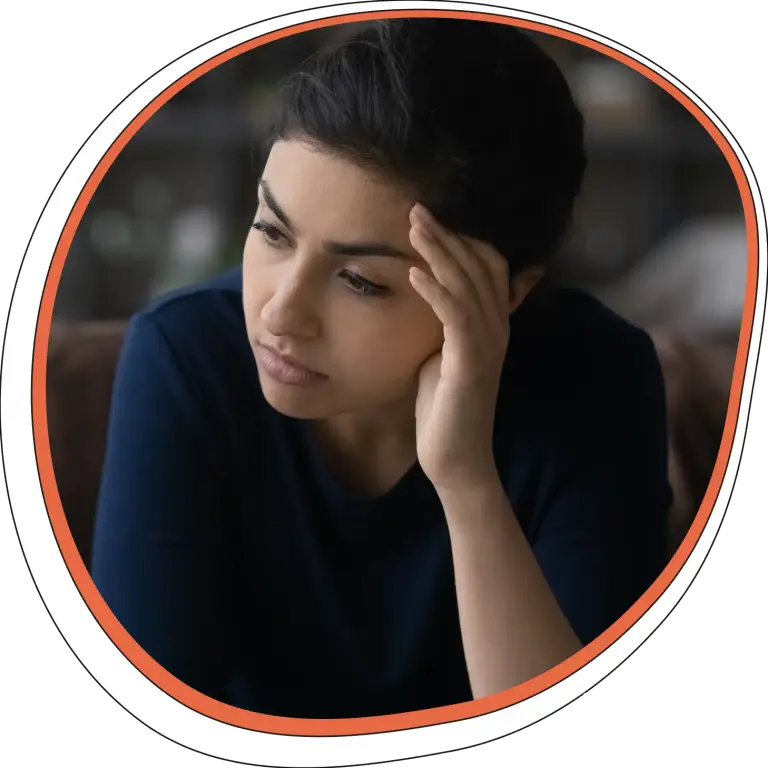
This Is What The Symptoms Of Social Anxiety Can Look Like...

- Intense fear during social interactions
- Intense anxiety when you're anticipating a social interaction
- Fear that others will notice your nervousness
- Fear of interacting with strangers
- Avoiding situations where you're the center of attention
- Physical symptoms like sweating or breathlessness during social situations.
Unsure About Your Social Anxiety Symptoms?
Take our Social Anxiety test and get an instant report to understand your symptoms.Try The Amaha Approach To Social Anxiety Treatment
Facing the challenges of social anxiety is never easy. It can leave you feeling paralyzed, unsafe and ashamed.Get help from professionals who understand social anxiety disorder inside & out.
Talk To A Therapist
Your therapist will help you overcome the anxiety that accompanies social situations. Learn how to overcome your anxiety in a safe & empathetic space.Talk To A Psychiatrist
Understand the mental, physical & emotional roots of your social anxiety with your psychiatrist. Work with them to create a care plan, which might include medication support.Access Self Care Tools
Get recommendations for self-care tools that you can use between sessions to cope with nervousness, intrusive thoughts and fear about upcoming interactions.Join The Community
Reach out to others that are going through similar challenges as you. Share your experiences and learn from others in our anonymous anxiety community.
Amaha Mental Health Hospital
A super-speciality psychiatric care facility in Thanisandra, Bengaluru, for complex mental health needs ensuring safety, stability, and compassionate care at every step.With 24/7 supported admissions, a psychiatric ICU, and emergency care, the hospital provides support for severe conditions including depression, bipolar disorder, schizophrenia, addiction, ADHD, personality disorders, among others.Choose The Social Anxiety Treatment Option That Works For You
Your recovery from social anxiety is our biggest priority. We'll be right at your side, at every step.Let An Amaha Therapist Help You
- Choose from some of the most established experts in treating social anxiety, who will help you using proven techniques like CBT.
- Access therapist-recommended activities to manage anxiety and fear that you might experience between sessions.
- Measure your progress with ease, and see real changes in your mental health over time.
Speak To An Amaha Psychiatrist
- Speak to a psychiatrist who knows social anxiety thoroughly and learn how to interact with confidence.
- Undergo an assessment to get a medical diagnosis and understand your concerns in depth.
- Receive ongoing care (which may include medication) to manage anxiety, and its physical symptoms.
Access Personalised Self Care With The Amaha Health App
- Get a personalised anxiety self-care plan with 500+ activities & learn to cope with nervousness and fear.
- Talk to Allie, our 24*7 chatbot, when you’re feeling overwhelmed by feelings of anxiety or worry.
- Use our goal tracker & mood tracker to assess your progress and find ways to find emotional balance.
Join The Amaha Community
- Get access to a moderated safe space with similar peers.
- Stay 100% anonymous in the community platform and share openly.
- Get help & advice in real-time on how to cope with the daily struggles of living with anxiety.
Unsure where to begin with your mental health?
A care guidance call by our clinical advisors can help you understand your concerns, discuss treatment options, and take the first step with clarity.
This call can be scheduled for a fee of ₹199.
Need help for yourself or someone you care about?
Talk to Amaha’s Care Team via WhatsApp or phone for guidance and support anytime.
Your Questions About Social Anxiety, Answered!
What is Social Anxiety?
Social anxiety is a chronic mental health condition in which an individual might feel a lot of anxiety when in a social situation. There is an intense fear of negative judgment from others and this causes a lot of distress and anxiety.
What is the difference between shyness and Social Anxiety disorder?
Shyness is a feeling of awkwardness or worry that occurs during social situations. Almost everyone feels shy every now and then, and it is a completely normal feeling to have.
On the other hand, Social Anxiety Disorder (SAD) is a severe fear of situations involving interaction with others or any kind of social situation, particularly when there is a possibility of being judged by strangers. Exposure to social situations can immediately provoke an anxiety response, leading to avoidance of the situation. This further causes various emotional and behavioural problems such as loss of self-confidence, depression, and substance abuse. Thus, shyness and social anxiety are not the same.
Social Anxiety can interfere with a person's ability to function in daily life. It can stop them from becoming involved in relationships, romantic or friendship. Some may avoid eating at a restaurant or using a public restroom, causing them to miss out on joining family members and friends. For some, it prevents them from working. Many people with SAD feel isolated and alone.
What are the main signs and symptoms of Social Anxiety?
The major symptoms of social anxiety disorder include:
Intense fear of social situations
Fear of others noticing nervousness
Anxiety due to anticipating a social interaction
Intense fear of interacting with strangers
Avoidance of certain situations where the individual is the centre of attention
There are also some physical symptoms to watch out for that can occur in response to the emotional ones listed above:
Sweating
Rapid heart rate
Feeling dizzy, lightheaded
Blushing
Muscle tension
Tremors, which means that your hands start shaking involuntarily
Nausea and upset stomach
Trouble breathing and catching your breath
How to manage Social Anxiety?
There are certain things you can do to manage social anxiety on your own. They include:
Self-care:
Try to understand more about your anxiety, by thinking about or writing down social triggers, what goes through your mind and how you behave in certain social situations, it can help to keep a diary.
Try some relaxation techniques, such as breathing exercises for anxiety.
Seeking community support:
Connect with people who understand what you're going through because they are managing the same condition.
Share your experiences, and coping techniques that worked for you, and help support others.
Speaking with a group of people who relate to your anxiety symptoms is also an excellent practice for interacting in social settings, and exposing yourself to social situations that otherwise seemed fearful.
How do therapy & psychiatry help in treating Social Anxiety disorder?
Therapy can primarily benefit in the following ways:
Interpreting external social events in a realistic way
Shifting the focus of attention from self to others in social conversations.
Help process social cues better and build their social skills.
Dealing with the negative beliefs that maintain anxiety in social situations
Psychiatry can benefit in the following ways:
Increasing the levels of serotonin in the brain by using medicines known as SSRIs, and reducing anxiety
Work with other medications that can help stop panic attacks
Help deal with other medical concerns that may contribute to or worsen the anxiety
Monitor your progress over time and help talk to other professionals to help get better
How to overcome social anxiety?
Overcoming social anxiety typically involves a combination of therapy (especially CBT and Exposure Therapy), gradually exposing yourself to feared social situations, challenging negative thoughts, practising relaxation techniques, and building social skills.
How can I control anxious thoughts in social situations?
You can control anxious thoughts in social situations by practising techniques like:
Thought challenging: Questioning whether your anxious thoughts are truly accurate or just fears.
Mindfulness: Focusing on the present moment and your surroundings instead of giving in to anxious predictions.
Deep breathing: Breathing in a controlled manner to calm your nervous system.
Refocusing: Shifting your attention away from internal anxiety to the external conversation or activity.
How can counselling help with social anxiety?
Counselling (therapy) for social anxiety helps you:
Identify triggers and negative thought patterns.
Gradually engage in exposure therapy to desensitise yourself to feared situations.
Develop social skills and assertiveness.
Learn relaxation and coping strategies for anxiety.
Is online therapy effective for social anxiety?
Yes, online therapy, particularly Cognitive Behavioural Therapy (CBT) and Exposure Therapy delivered online, is effective for treating social anxiety. It offers convenient access to professional help and can be particularly beneficial for those who find it difficult to attend in-person sessions due to their anxiety.
Learn More About Social Anxiety
ARTICLE | 3 MIN
How Does Therapy Help With Anxiety?
ARTICLE | 3 MIN
Social Anxiety - Are You Experiencing It?
ARTICLE | 3 MIN
How Long Will I Need to Be in Therapy for Anxiety?
VIEW ALL RESOURCES