


Taking Control of OCD Starts With the Right Care
Amaha's Obsessive-Compulsive Disorder (OCD) Programme is built for you to map your symptoms, track your patterns, and deliver structured care specific to you.
Explore Your 3 Care Pathways at Amaha
Understand Your Symptoms
Meet the Experts Guiding Your Recovery
Intrusive Thoughts, Compulsions, and Why You're Not Alone
Obsessive-Compulsive Disorder can make your mind feel stuck, repetitive, or urgent, even when everything around you seems normal. Understanding what’s happening in your brain is the first step toward regaining control.
OCD Is a Neurobiological Condition, Not a Character Flaw
Obsessive-Compulsive Disorder is a condition where unwanted thoughts trigger anxiety, leading to compulsions that momentarily relieve distress but strengthen the cycle. It becomes diagnosable when these loops consume time, energy, or functioning, and symptoms may intensify during stress or major transitions.
Obsessions Are Persistent Thoughts That Feel Intrusive
Intrusive thoughts in OCD are unwanted, repetitive, and ego-dystonic as they go against who you are. They can be about contamination, harm, morality, relationships, sexuality, religion, or “what if” fears. They feel urgent or threatening because the brain’s threat system misfires and tags them as dangerous, not because they reflect your character.
Compulsions Are Rituals That Feel Safe but Strengthen the Loop
Compulsions are physical or mental rituals done to relieve the distress triggered by obsessions. Washing, checking, arranging, counting, praying, or seeking reassurance bring short-term relief, but each ritual teaches the brain that the intrusive thought was a real threat. Over time, compulsions become more automatic, habitual, and time-consuming.
When It Crosses the Line, Daily Life Gets Affected
If obsessions or rituals start consuming an hour or more each day, interrupting sleep, work, your relationships, it’s no longer occasional stress. That’s when it becomes a clinical concern, and often when people first seek help.
Most people delay care for 8–10 years, often because OCD symptoms are misread as personality traits (“I’m just particular… careful… anxious”) or because of shame or fear of being misunderstood.
There Are Patterns That Are Consistent Worldwide
Obsessive Compulsive Disorder follows stable symptom dimensions, and most people experience more than one at the same time:
- Contamination & washing: fears of dirt, germs, bodily fluids → repeated cleaning or avoidance.
- Taboo thoughts: intrusive, unacceptable images or urges about harm, sex, religion → mental rituals to neutralise them.
- Checking/doubts: fear of causing harm or being irresponsible → repeated safety checks, reassurance seeking.
- Order & symmetry: intense need for things to feel “just right” → arranging, aligning, redoing tasks.
- Miscellaneous: mental compulsions, magical thinking, random intrusive words/phrases.
Most people experience more than one type of obsession/compulsions, and the intensity often shifts with stress or major life events. These patterns help distinguish Obsessive-Compulsive Disorder from general worry, as OCD symptoms are persistent, repetitive, and driven by a cycle you may desperately want to break.
All Those Thoughts, All That Fear but That's Not You
You might wonder: “Does this make me a bad person?” or “If I don’t check, will something terrible happen?” that’s part of the condition, not who you are. Family members may also unintentionally reinforce symptoms through reassurance or rituals. Understanding this difference is the first step out of isolation.
We follow 4 clear steps at Amaha’s OCD Programme, built to help you understand your care, make informed decisions, as you recover.
Get a Diagnosis That Actually Explains Your OCD
Your assessment with our OCD-specialised psychiatrist, maps your triggers, patterns, and severity, giving you a detailed evaluation that actually reflects your lived reality.
Choose a Plan That Matches Your Severity
You’re shown a clear care pathway: therapy, medication, or both, based on the assessment, why it’s recommended, and what each pathway realistically looks like for you day-to-day.
Build Changes That Shift Your Patterns
You steady your routines through therapy, add medication if it supports your plan, and involve family to reduce accommodation, while we track progress across your distress levels and overall functioning.
Maintain Your Recovery With Our Long-Term Guidance
We work with you on relapse-prevention plans, booster sessions, and medication reviews where needed. Together, we track signs like rising distress, rituals, or avoidance, so you stay supported even after active treatment ends.
The Difference Our Care Makes

Over 400+ clients treated, including diverse OCD presentations, complex and treatment-resistant cases.
Improvement is reported by ~70% of clients supported through the Combination Pathway combining medication and therapy.
Clients experience a ~45% response rate when DeepTMS is used as an add-on to therapy or medication.
Family support sessions targetted at addressing family accommodation were associated with ~53% improvement in patient functioning.
Sources: (Sharma et al., 2014): https://doi.org/10.4088/jcp.13r08849; (Carmi et al., 2019): https://doi.org/10.1176/appi.ajp.2019.18101180;
(Baruah et al.,2017): https://pubmed.ncbi.nlm.nih.gov/28829958/
Integrated, Evidence-Based OCD Care Pathways
From diagnosis to stabilisation, our structured approach combines specialist ERP, optimised medication, family support, and advanced interventions to ensure every step is personalised, measurable, and aligned with your recovery goals.

Medication-Focused Pathway
Medication lowers the intensity and urgency of OCD symptoms by supporting the brain circuits involved. In around 10–12 weeks, symptoms begin to soften and functioning improves.
Why It Helps
SSRIs target the loops that keep obsessions loud and compulsions urgent. They reduce anxiety, lower reactivity to intrusive thoughts, and soften the drive to ritualise, creating the stability needed for deeper therapeutic work.
Who Benefits
People with moderate–severe symptoms, long-standing OCD, high anxiety, difficulty engaging in exposures, or those needing relief before beginning ERP. Also suited for treatment-resistant cases requiring highly individualised plans.
Outcome
By Weeks 10–12, most people show measurable Y-BOCS improvement, fewer rituals, better daily functioning, and greater mental flexibility. Lifelong medication is rarely required; tapering is planned together.
Therapy-Focused Pathway (CBT + ERP)
Therapy helps you understand your symptoms, challenge rigid thinking, and break the ritual loop. In 20–25 sessions, you face triggers without reinforcing compulsions, building steadier control with support.
Why It Helps
Exposure and Response Prevention (ERP) breaks the fear–ritual cycle by teaching your brain that feared outcomes don’t occur without compulsions. Cognitive Behaviour Therapy (CBT) strengthens this work by targeting black-and-white thinking, intolerance of uncertainty, and the beliefs that keep OCD stuck.
Who Benefits
People with mild–moderate Obsessive-Compulsive Disorder, those who want a behavioural-first approach, individuals who prefer active skills and exposure work, and those needing structure, accountability, or family involvement.
Outcome
In 20-25 sessions, clients see reduced ritual intensity and avoidance, lower distress, and improved functioning. You gain long-term skills for managing triggers and preventing relapse.
The Combination Pathway (Medication + Therapy)
For moderate to severe OCD, the strongest results come from using medication to steady symptoms and CBT+ERP to retrain thoughts and behaviours.
Why It Helps
Medication steadies the biological load by making intrusive thoughts, anxiety spikes, and compulsive urges less overwhelming, while therapy helps you relearn the loop, challenge old beliefs, and gradually step back from rituals. In some cases, medication first so distress can reduce to a level where ERP becomes doable.
Who Benefits
People with moderate–severe Obsessive-Compulsive Disorder, long illness duration, high co-morbidity, partial response to therapy or medication alone, or difficulty engaging in exposures without symptom relief.
Outcome
By around 12 weeks of combined care, most people notice meaningful symptom relief, easier engagement with exposures, and improved cognitive flexibility. Daily functioning steadies, progress becomes visible through Y-BOCS and behaviour changes, and relapse spikes reduce as both body and behaviour stabilise together.
With a clear diagnosis, we line up your symptoms, severity, and goals with the pathway that’ll help most. We break down how long it takes, what changes to expect, and then agree on the plan with you.
We Strengthen Treatment
With Proven Add-On Interventions
Some individuals require more intensive or advanced interventions alongside the pathways above. These options are considered thoughtfully and only when clinically indicated. These treatments work alongside your main care plan:
Deep Transcranial Magnetic Stimulation (TMS)
This is a non-invasive neuromodulation technique that uses magnetic pulses to calm the overactive brain circuits involved in Obsessive-Compulsive Disorder. It can make intrusive thoughts less intense, and works best when combined with therapy or medication.
Family Accommodation Reduction
Families often, unknowingly, support the disorder by answering repeated questions, checking things, or performing rituals for the person with OCD. This module reduces those patterns and helps manage negative emotions, burnout or over-accommodation at home.
Ketamine
Ketamine is a glutamate modulator that may be useful in the short term, in reducing distress and depressive symptoms. Its benefits are temporary. It may help in acute management of distress and thus facilitate care.
Amaha Hospital
When symptoms get overwhelming to manage, this pathway offers daily ERP, medication support, and a structured, safe environment to stabilise and help you regain functioning.

Start Building a Life That OCD Doesn’t Control
Begin with a precise understanding of your symptoms. In this evaluation, you get a precise OCD diagnosis, severity rating, and the exact pathway that fits your symptoms.
Progress Is Measurable When Treatment Is Precise
From the first session, your care plan includes structured assessments and tracking tools that show how OCD symptoms shift over time.
Y-BOCS (Yale-Brown Obsessive Compulsive Scale)
We measure OCD severity using the Yale-Brown Obsessive Compulsive Scale (Y-BOCS), the gold-standard tool for assessing Obsessive-Compulsive Disorder. It evaluates the type of OCD, frequency, and intensity of obsessions and compulsions, producing a clear score to track progress over time.
Functional Markers
Recovery isn’t just fewer rituals. We discuss how you sleep, focus at work, manage tasks, and connect with others, to make sure the improvements we see,actually change how you live and feel.
Subjective Unit of Distress (SUD) Graphs
During exposures and exercises, we record your distress levels. Graphing these spikes and drops shows progress, highlights triggers, and proves that facing fears safely does bring relief.
A Dedicated OCD Team Built for Precision Care
Your care is supported by OCD-specialised therapists and psychiatrists across India, guided by Dr. Lavanya P Sharma and Dr. Uma Maheswari Ganesh to ensure precision, consistency, and evidence-based OCD treatment.




Dr. Lavanya P Sharma
Lead, Neuromodulation & Amaha OCD programmme | DPM, MD Psychiatry | PDF in OCD and Related Disorders | 500+ Clients TreatedDr. Lavanya is a psychiatrist specialised in obsessive-compulsive disorder care with over eight years of experience at the NIMHANS specialty OCD clinic. She completed a post-doctoral fellowship in Obsessive-Compulsive Disorder and related disorders and has cared for more than 500 clients with OCD over the years, including individuals with complex presentations and those struggling with difficult-to-treat or treatment-resistant Obsessive-Compulsive disorder.
Her work spans clinical practice and research. She has published on neuromodulation, ketamine, and other aspects of OCD treatment. She has clinical and research experience in evidence-based pharmacological management of OCD, including the use of SSRIs, neuromodulation, and psychotherapy approaches relevant to OCD care.
Dr. Uma Maheswari Ganesh
Lead Clinical Psychologist, Amaha OCD Programme | MSc, MPhil, PhD Clinical Psychology | 8+ Years Experience | Former NIMHANS OCD Clinic PsychologistDr. Uma has spent 8+ years exclusively focused on Obsessive-Compulsive disorder, including five years at the NIMHANS OCD Clinic, working with severe, complex, and treatment-resistant presentations from across India. With an MSc, MPhil, and PhD in Clinical Psychology (her PhD research focused entirely on OCD), she is trained in ERP, ACT, CBT, and mindfulness-based methods specialised for Obsessive-Compulsive Disorder.
She decodes taboo intrusions, mental compulsions, and thought loops, building ERP plans that work, even for clients who have not improved elsewhere, while bringing a perspective that considers unique thinking styles, cognition patterns, and personality traits that can contribute to maintenance, ensuring long-term, stable improvement.
20+ Specialists Co-ordinate Care Everyday
Beyond leadership, our dedicated team bring strong OCD and ERP expertise, offering the day-to-day support that strengthens your recovery across cities under supervision.

No experts are available for your account.
Try switching accounts or reach out to our Care Team for assistance.

Take the First Step Towards Lasting Recovery
Our expert team works with treatment-resistant OCD, using precise, evidence-based methods grounded in extensive research to reduce distress, retrain habits, and guide you toward lasting relief.
Turning Struggle Into Strength
Our clients share the breakthroughs, big and small, that gave them control and renewed joy. Each story shows how they rebuilt daily life, tackled rituals, and felt relief they hadn’t thought possible.
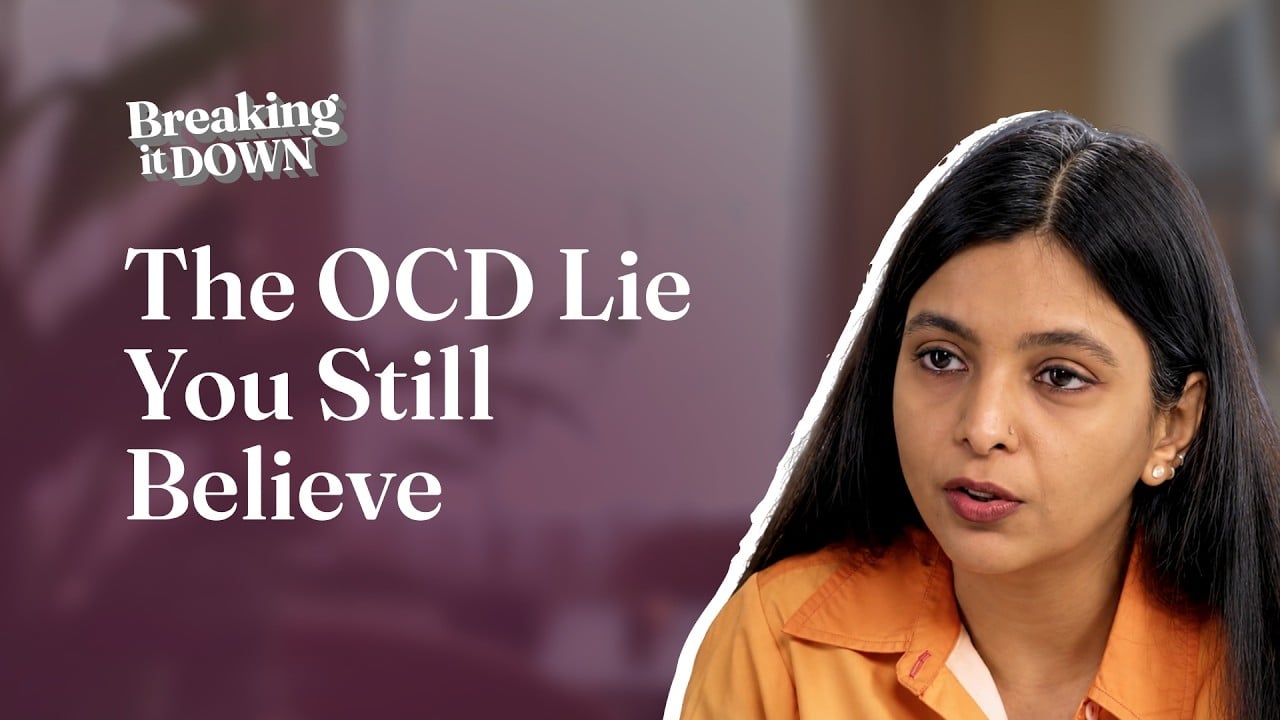
Expert Insights and Real Stories
Whether you're trying to understand what OCD actually is, support someone close to you, or make sense of your own symptoms and treatment, these videos bring together expert explanations, real recovery experiences, and science-backed insights.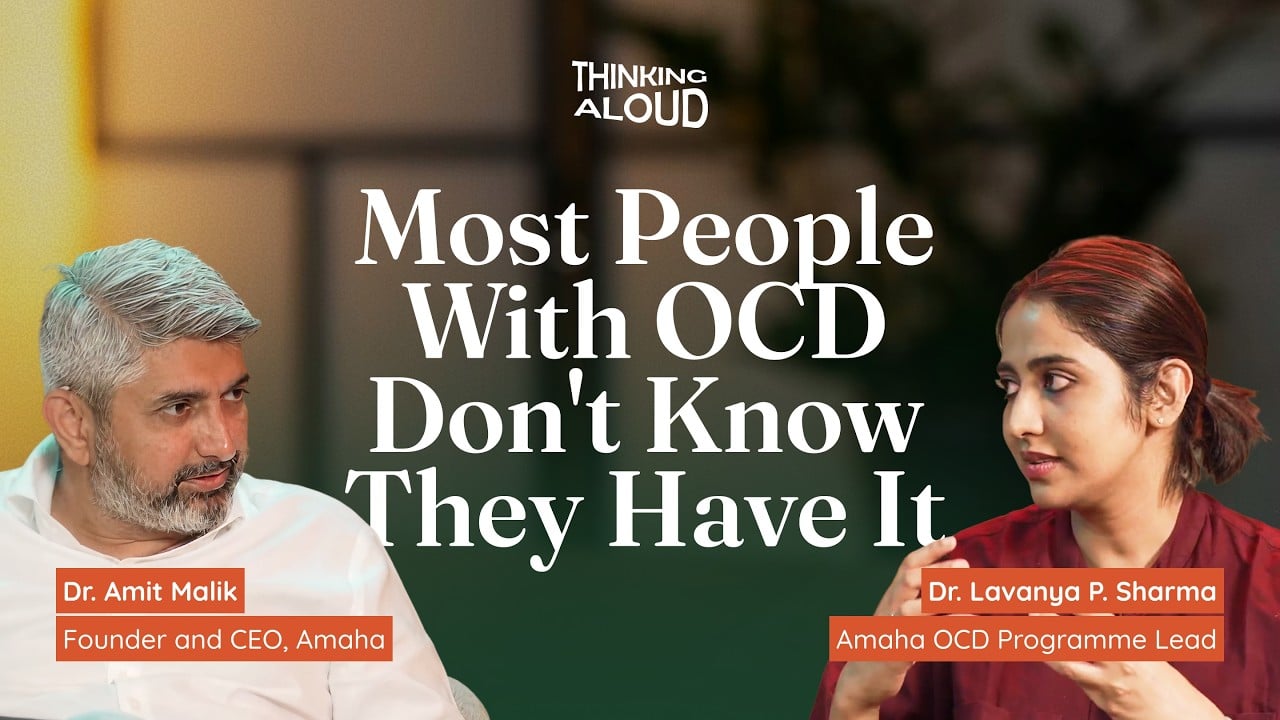
Questions We’re
Often Asked
From how OCD treatment works to what support looks like, we’ve put together responses to the questions clients and families ask most often.
Can Obsessive-Compulsive Disorder really be treated, and will it ever fully go away?
Yes. OCD can be treated, and most people find it becomes manageable with therapy, medication, or a combination of both. While some thoughts may linger, treatment helps you reduce distress, face triggers more calmly, and regain routines. The goal is to give you control over how OCD affects your daily life.
How long does treatment take, and when will I start noticing change?
Treatment length varies depending on your severity, complexity, life context, etc. Many clients start noticing changes within 10–12 weeks of medication, therapy or both. Some may need longer for deeper or more entrenched patterns, and your care team will track progress to adjust treatment for steady improvement.
Do I have to confront my fears directly?
Yes, but carefully and gradually. ERP is designed to expose you to fears in a safe, controlled way. You won’t be forced into anything that you or your clinician feel is too much at once; the exposures are incremental and carefully tailored to your tolerance, building confidence and reducing distress over time.
Can treatment be customised for my OCD type or triggers?
Absolutely. Obsessive-Compulsive Disorder manifests in many forms: checking, contamination, intrusive thoughts, symmetry, hoarding, and more. Therapy plans are always personalised to your specific obsessions, compulsions, and daily life challenges. You’ll have a plan that targets your unique triggers and helps you regain control.
What if I struggle with exposures or miss sessions?
It’s alright to find some parts of treatment challenging. Missing sessions doesn’t undo progress; we simply recalibrate and continue. Feeling stuck or anxious during exposures is expected, it’s part of the process, and your clinician will support you every step of the way.
What if symptoms return or treatment feels too hard?
Temporary setbacks or symptom spikes are common, but they don’t mean failure. Treatment includes relapse prevention strategies, and your therapist/psychiatrist will guide you to manage and overcome these moments. Over time, you learn skills that make OCD more manageable, even if it occasionally resurfaces.
Information and Support to Navigate OCD Confidently
We build our tools the way we build our care. It’s grounded in science, shaped by what people actually go through.
Your Amaha Guide to Obsessive-Compulsive Disorder
This guide helps you understand what OCD actually is and how it shows up in daily life. It breaks down OCD treatment pathways, what effective care looks like, and what next steps can involve.
How Severe Are My OCD Symptoms?
If obsessive thoughts or compulsive behaviours are affecting your daily life, this self-assessment can help you understand the severity of your OCD symptoms and whether seeking support may be helpful.
Supporting a Loved One With OCD
Supporting someone with Obsessive-Compulsive Disorder can feel confusing and overwhelming. This article explains what OCD can look like, common challenges loved ones face, and how to offer support without reinforcing symptoms.
What Are the Four Types of OCD?
If you’ve ever wondered whether your experiences “count” as Obsessive-Compulsive Disorder, this article explains common OCD subtypes and how they can show up in everyday life, along with an overview of treatment approaches.
Can Obsessive-Compulsive Disorder Be Treated?
This article explains how OCD is treated, including evidence-based therapies like ERP and medication. It outlines how treatment works and what progress can look like over time.